
Last updated October 30, 2026
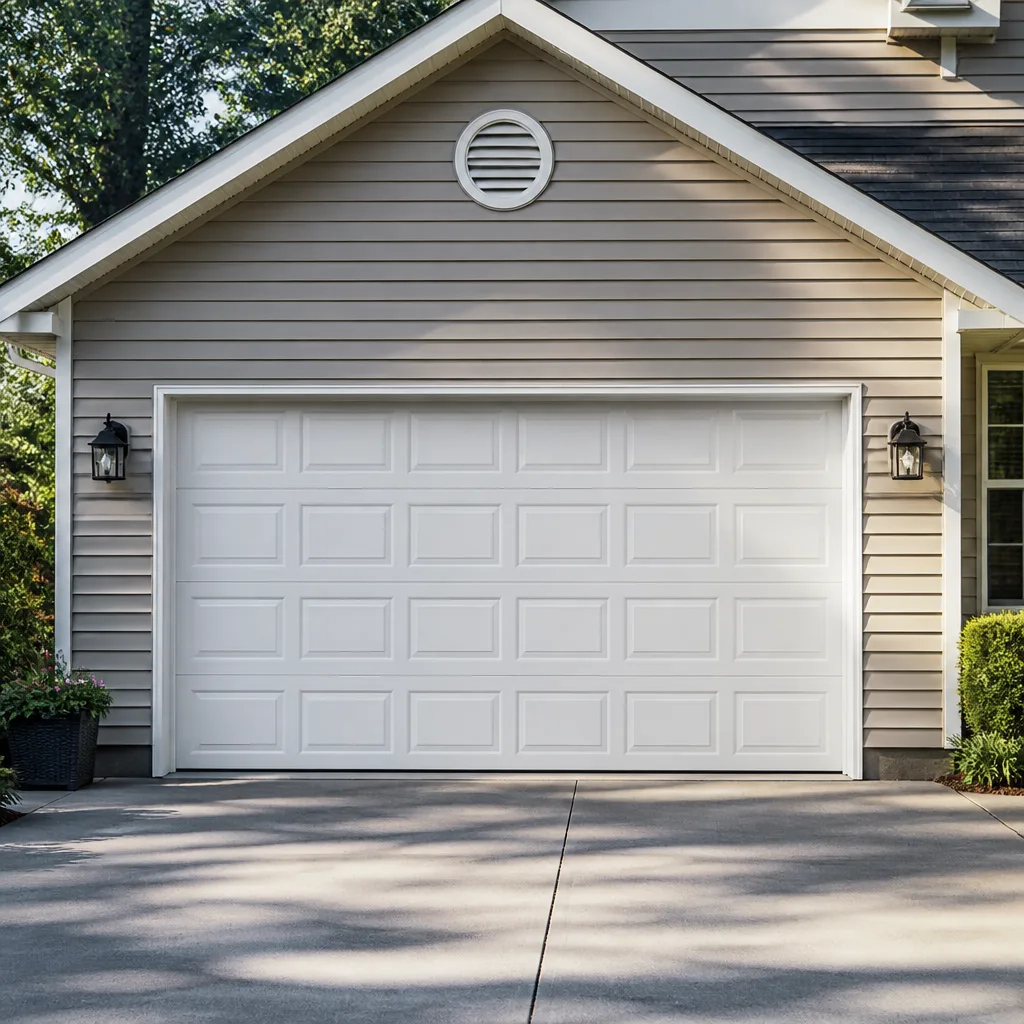 Raised-panel steel
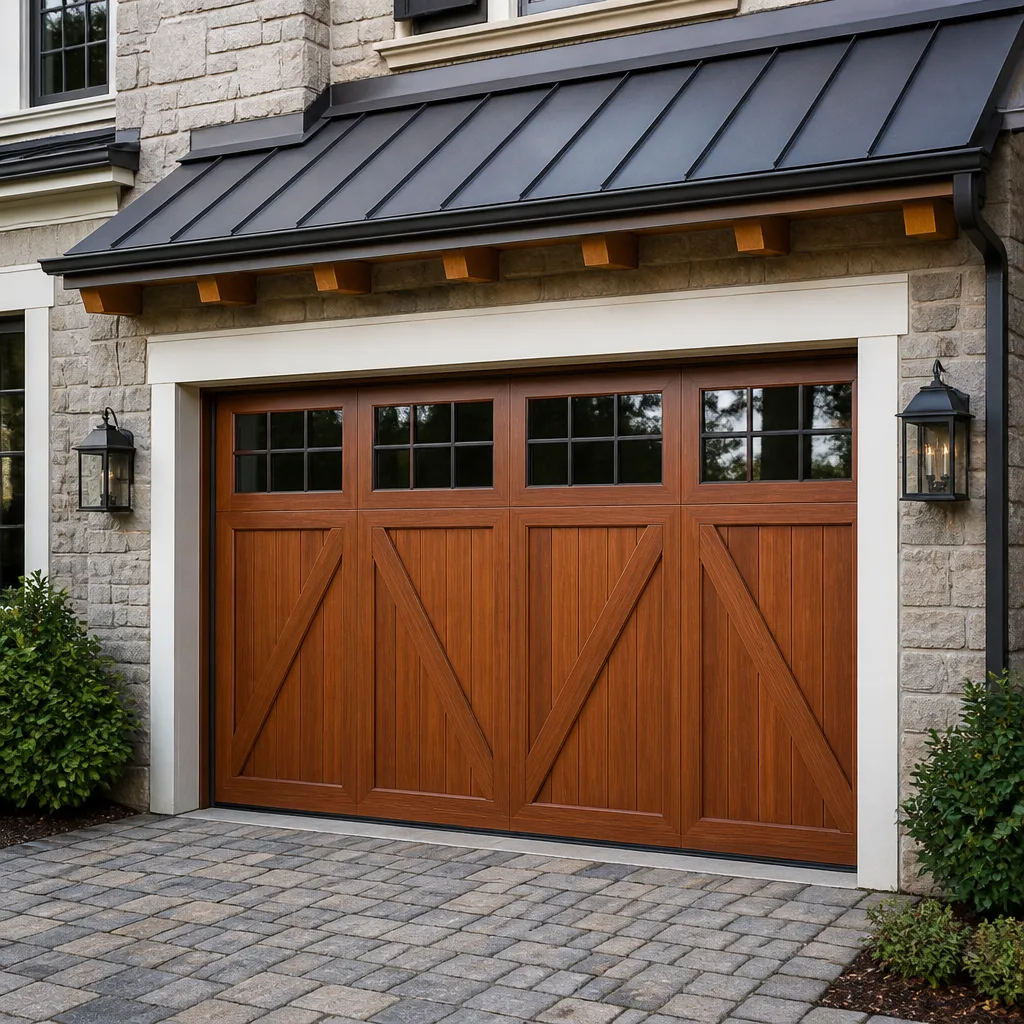 Carriage house
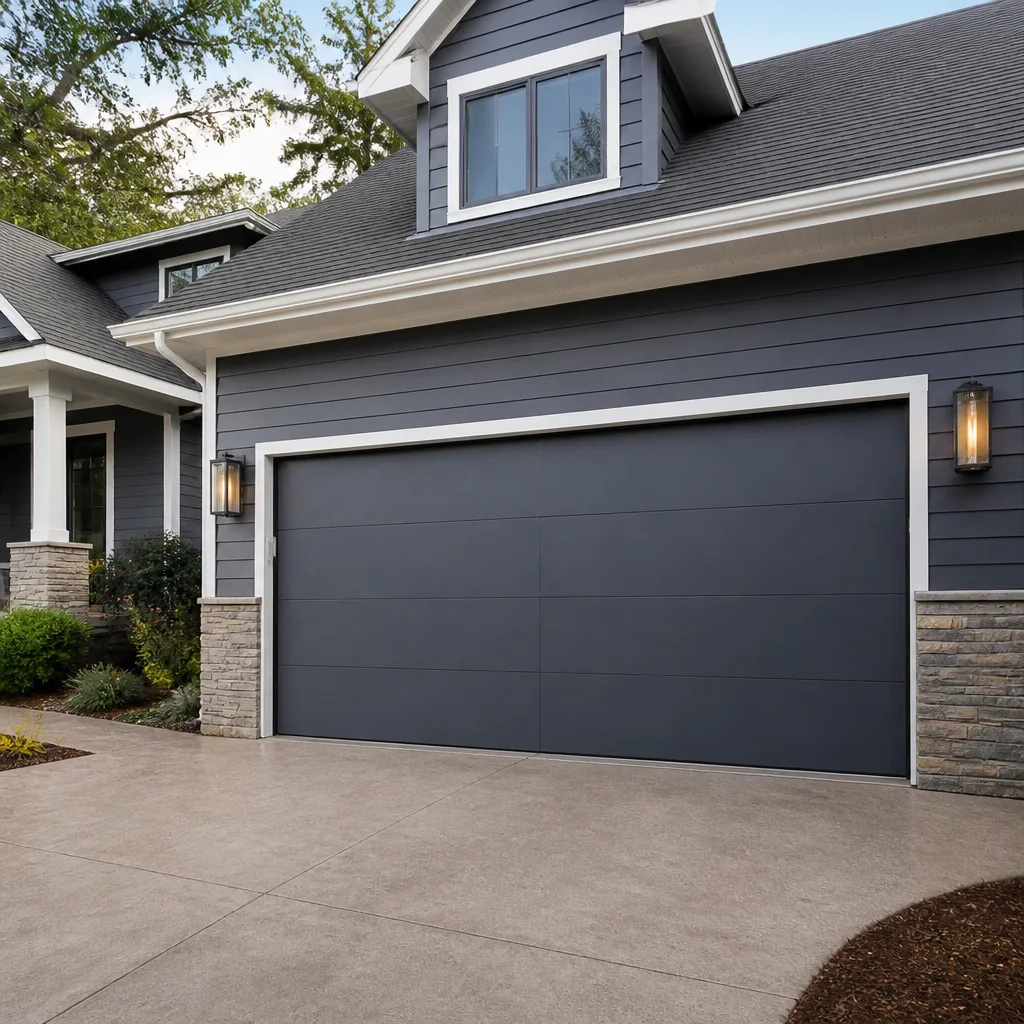 Modern flush
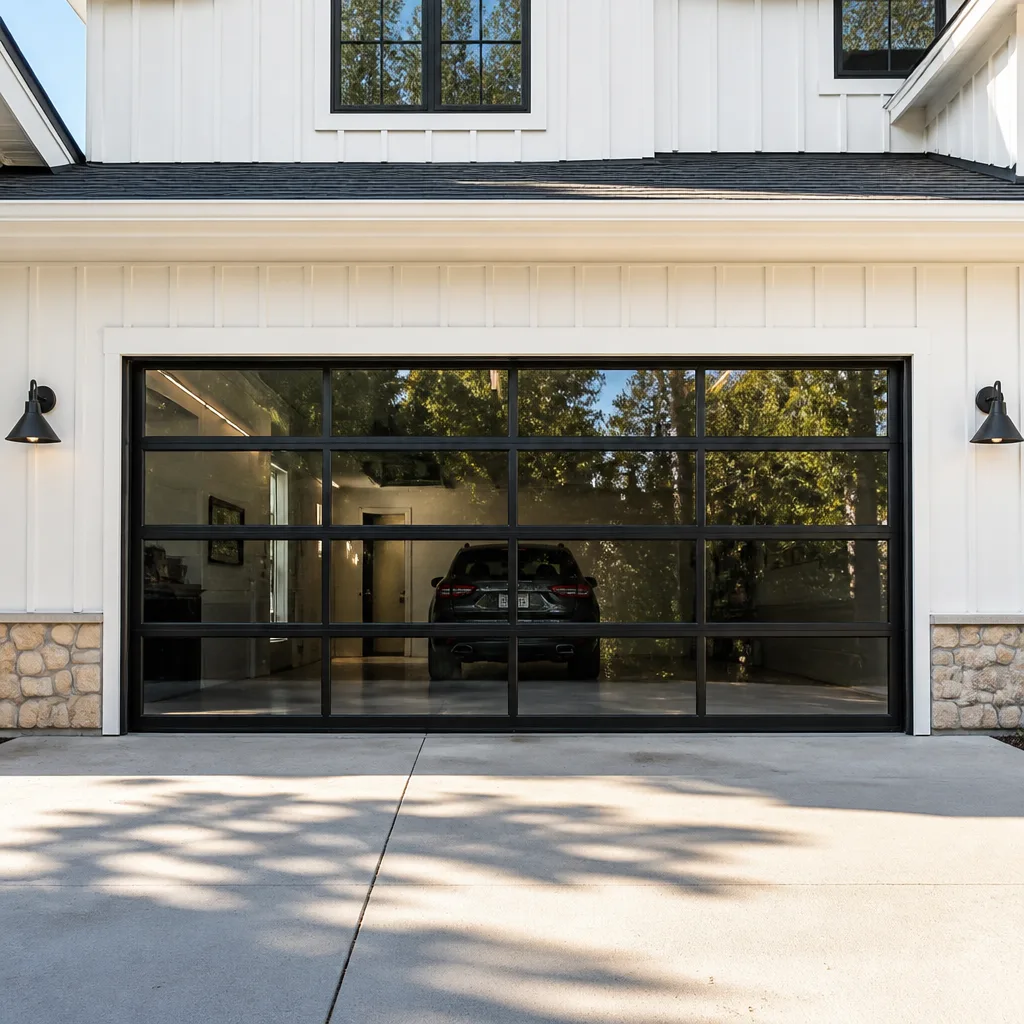 Full-view glass
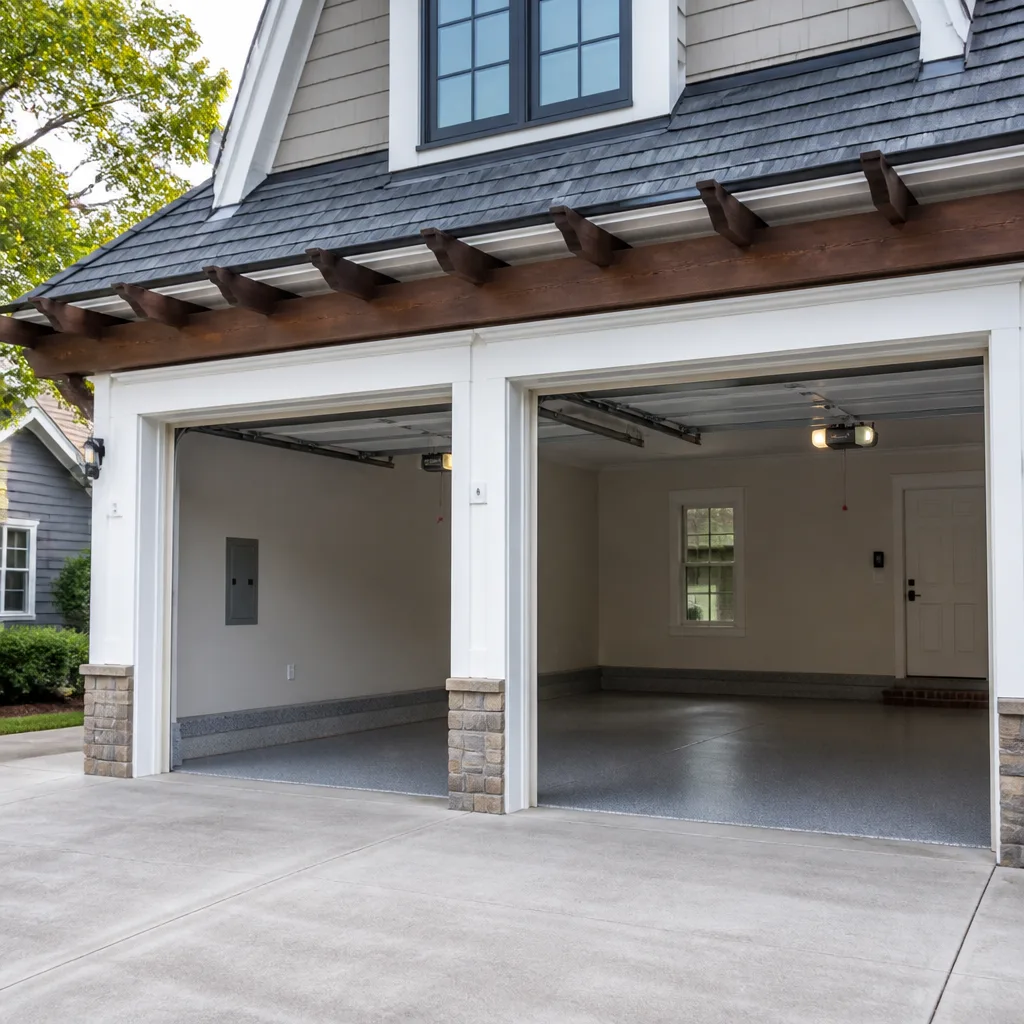 LiftMaster openers
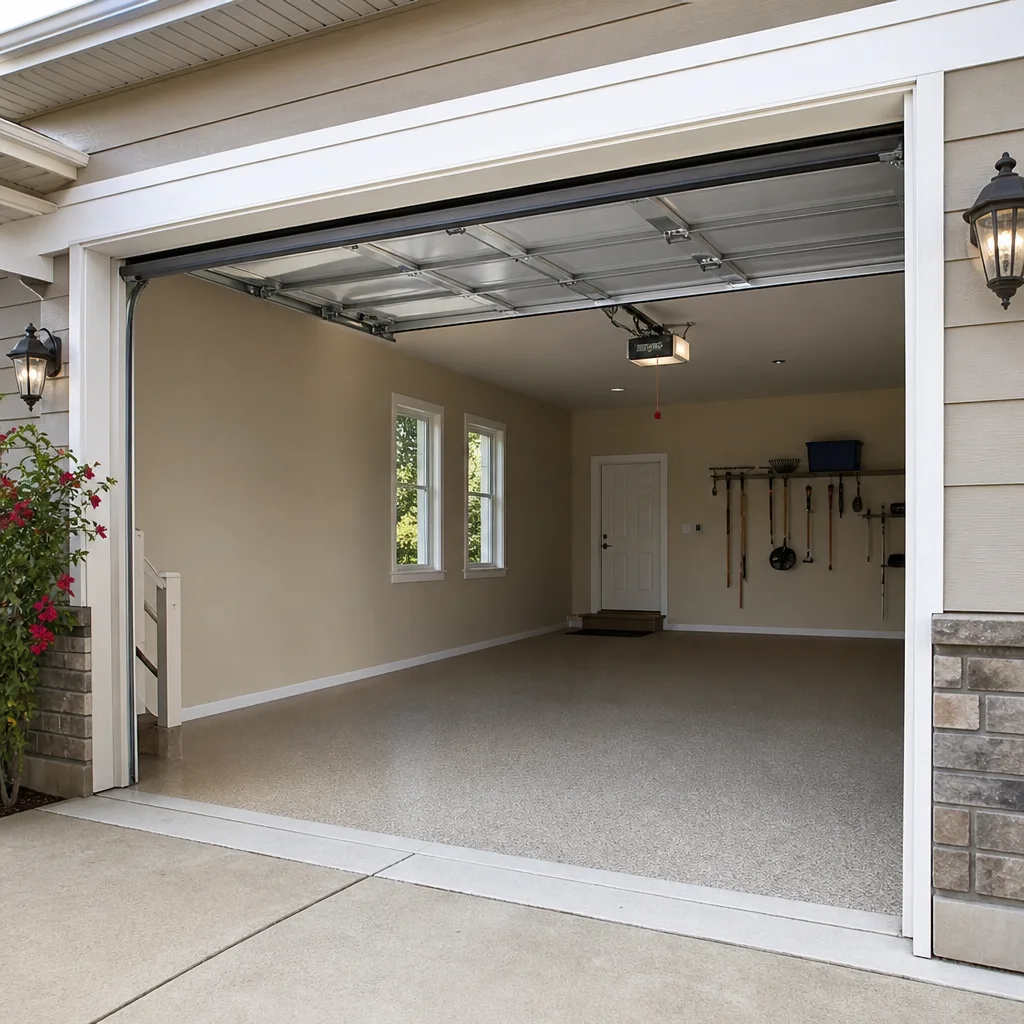 Chamberlain openers
Full 25-point door and opener safety check with every visit - springs, cables, rollers, tracks, and your LiftMaster or Chamberlain opener included
You get a price before we start. It does not change when the truck arrives.
Get your free estimateDIY vs Professional Garage Door: The Temecula Homeowner’s Decision Guide
Garage door torsion springs store enough energy to kill. That’s not an exaggeration. A single spring under full tension releases roughly the same stored kinetic force as a small rifle round when it lets go, and the winding bars used to service them become projectiles in the hands of someone who hasn’t done it before. Yet a quick search turns up thousands of tutorials showing exactly this repair with a reassuring voice-over and a three-minute runtime. Temecula urgent care sees garage door injuries every year that started the same way: “I watched a video.”
This guide draws a line through the gray area. We’ll show you which tasks are genuinely safe for a careful homeowner, which ones are not, and what each decision costs you in real Temecula dollars. We’ll also cover the insurance and liability questions nobody mentions until something goes wrong, and point you to more guides & resources for staying safe.
Quick Answer
DIY garage door work is safe and sensible for about four tasks: remote programming, lubrication, weatherstripping, and sensor realignment. Everything involving torsion springs, lift cables, or track adjustment under tension should be left to a professional, not because it’s complicated, but because the cost of a mistake is measured in fingers, concussions, and sometimes worse. In Temecula, a professional repair visit typically costs $125 to $350 for most non-spring jobs and $250 to $450 for spring replacement, and the diagnosis is almost always free.
Styles & brands we work with
Table of Contents
- The Line: What’s Actually DIY-Safe and What Isn’t
- The True Cost of DIY: When You Save and When You Don’t
- Honest Skill Assessment: Tools, Strength, and What Each Task Demands
- California Liability and Insurance: What Your Policy Actually Says
- Temecula-Specific Factors: Heat, Dust, and What They Do to Doors
- You Already Tried It: What to Tell the Technician
- Cost Comparison: DIY vs Professional by Task
- Common Mistakes to Avoid
The Line: What’s Actually DIY-Safe and What Isn’t
The DIY-vs-pro question for garage doors isn’t a matter of skill level. It’s a matter of spring tension. Plenty of smart, capable Temecula homeowners can handle a power drill and a socket set. What they cannot safely handle, without training and the right tools, is the stored energy in a wound torsion spring or a stretched extension spring. The line gets drawn by energy, not difficulty.
DIY-Safe Tasks (Genuinely Fine For Most Homeowners)
- Remote and keypad programming: Every major brand from LiftMaster to Genie has a simple learn-button sequence. Takes ten minutes. Zero danger.
- Lubrication: White lithium grease on the track hinges and rollers, spray lubricant on the torsion spring coils. This is routine maintenance, not repair. Do it twice a year in Temecula’s dry climate.
- Weatherstripping replacement: The rubber seal along the bottom of the door slides out and a new one slides in. A utility knife, a starter strip, and 30 minutes. Cheap and completely safe.
- Sensor realignment: Photo-eye sensors drift out of alignment and the door refuses to close. Loosen a wing nut, point the sensors at each other, tighten. No tools beyond a screwdriver.
Professional-Only Tasks (Do Not Attempt Even If You’re Handy)
- Torsion spring replacement: A wound spring stores over 100 foot-pounds of torque per spring. Winding bars slip, jaws shatter, and the result is catastrophic hand and facial injury. This is not a drill-till-it-fits job.
- Lift cable replacement: Cables run alongside the springs and carry the full door weight. When a cable snaps, the door drops uncontrolled. Replacing one requires releasing spring tension first, which circles back to the previous point.
- Track realignment under tension: Bent tracks need adjusting while the door weight rests on the system. One wrong pry and the door leaves its rollers and falls. A falling sectional door weighs between 150 and 400 pounds depending on model.
- Opener gear and sprocket replacement inside the motor housing: This one is less dangerous but still punishing. It demands opening the drive unit, removing the old gear kit, re-greasing, and reassembling with correct torque. We see more DIY attempts here that end with a dead opener than any other task besides springs.
Our technicians work on all of it: every brand of door from Clopay to Amarr, every opener from Chamberlain to Genie. But the honest recommendation we give Temecula homeowners is simple. Save your DIY energy for the top list. Call someone trained for the bottom one.
For a deeper look at which repairs warrant a professional call, see our guide to garage door repair in Temecula.
The True Cost of DIY: When You Save and When You Don’t
The math on DIY garage door work looks simple until you own the mistake. Yes, a DIY sensor realignment saves the cost of a service call. Yes, DIY weatherstripping saves about sixty dollars in labor. But certain repairs that go wrong create a second, larger job, and that’s where Temecula homeowners end up paying more than if they’d called first.
Scenario 1: Spring Replacement Goes Wrong
You buy a spring kit for $60 at a big-box store. The winding bars cost another $25. You spend two hours in a hot Temecula garage, winding the spring, and you get it wrong. The door now jerks upward, slams when closing, or binds on one side. You call a pro. The pro now has to unwind your incorrect tension, assess whether the spring is still usable, and rebalance the entire door. Instead of a $250 to $450 spring replacement done right the first time, you pay the full replacement cost plus an additional service fee for correcting the install. Worst case: the spring snaps during adjustment and damages the opener rail or the door panel itself.
Scenario 2: Cable Replacement Attempt
You notice a frayed cable and decide to replace it yourself. You don’t realize the cable under tension is what holds the door in place while you work. The cable slips, the door drops, and now you have a bent panel, a damaged track, and a door that won’t open. The original cable job would have been $150 to $250. You’re now looking at $500 to $900 in door and track repair.
Scenario 3: Lubrication and Maintenance Done Right
This is where DIY wins. Proper lubrication costs $12 in product and an hour of time. It extends the life of rollers and hinges by years. In Temecula’s dry, dusty air, doors that go unlubricated develop squeaks and wear patterns that lead to premature roller failure. Doing it yourself twice a year genuinely saves money and prevents breakdowns.
Scenario 4: Remote Reprogramming
Zero risk. Saves a $75 to $125 service call. Do it. Every brand from Genie to Chamberlain publishes the learn-button sequence in its manual, and most are online in three minutes.
The pattern holds across every task: DIY saves money on low-energy, low-consequence work. It costs money on high-energy, high-consequence work. The line is not drawn by your confidence. It’s drawn by the spring.
If your opener is the part that failed rather than the door itself, our garage door opener repair in Temecula page covers the most common failure points and what each one costs to fix.
Honest Skill Assessment: Tools, Strength, and What Each Task Demands
Before you grab a wrench, it’s worth being honest about what each job asks of you. Not every capable homeowner is capable of every task, and several garage door repairs require either enormous physical strength, very specific tools, or both. None of that is a character flaw. It’s a decision criterion.
What DIY-Safe Tasks Actually Require
- Remote programming: A working finger and five minutes of reading the manual. That’s the entire skill set.
- Lubrication: A step stool tall enough to reach the spring, a can of white lithium grease, and the willingness to poke a rag into track corners. No strength. No special tools.
- Weatherstripping replacement: A utility knife, a flat pry bar to remove the old seal, and the grip strength to press the new seal into the retainer channel. Ten minutes of kneeling. Easy.
- Sensor realignment: A screwdriver and a set of eyes. If you can see both sensor lights glowing steady, you’ve done it.
What Professional Tasks Actually Require
- Torsion spring replacement: Two 18-inch hardened steel winding bars, at least 150 foot-pounds of controlled torque, and enough experience to know that the spring is trying to kill you while you work. Every pro we train on springs spends months on supervised jobs before touching one alone.
- Cable replacement: Spring tension released first, then cable run through the correct pulleys in the correct direction, then the spring re-wound. It’s a sequencing job, not a strength job, but the consequence of sequence error is a falling door.
- Track realignment: A 4-pound hammer, pry bars, shims, and the judgment to know how much force is too much. Aluminum tracks bend easily. Steel tracks fight back. Both are under door weight while you work.
- Opener gear replacement: Torx drivers, snap ring pliers, white lithium grease, and patience for a dozen small parts that must go back in the same order. Two hours for a pro. Four for a careful homeowner, and usually ending with a call anyway.
If you don’t own the tools and won’t use them again, that cost belongs in the DIY calculation. Winding bars are $25. A torque wrench that handles the spring collar set screws is another $60. Snap ring pliers are $20. By the time a Temecula homeowner who’s never done a spring job buys the equipment, they’ve spent a third of what the professional would have charged, and they still haven’t touched the spring.
If you’re in the market for a full door replacement rather than a repair, our garage door installation in Temecula page walks through material options and what a full install involves.
California Liability and Insurance: What Your Policy Actually Says
Most Temecula homeowners don’t read their insurance policy until after something goes wrong. Here’s what that document actually says, in plain terms, and why it changes the DIY calculation.
Self-Performed Work and Injury
California homeowners insurance covers accidental injury to a member of the household under most standard policies. If you hurt yourself on your own DIY garage door repair, your own medical payments coverage may apply. But if the injury is to a guest or a bystander, and the cause is improperly performed work, your liability coverage can be denied. Insurance companies routinely deny claims where the homeowner performed a repair that a reasonable person would have hired out, and spring replacement fits that description exactly.
Property Damage from Failed DIY Work
If your DIY spring or cable work fails and the door collapses onto your car or a neighbor’s property, standard homeowner coverage may cover the car and the door. But again, the insurer investigates. If the damage traces to uncertified, self-performed work on a known hazardous component, expect a coverage dispute. The burden of proof shifts onto you to show the work was performed correctly.
Permit and Code Requirements in Temecula
Garage door replacement in Temecula usually does not require a building permit for a like-for-like swap. Structural changes, new openings, or changes to framing do. Repairs to existing springs, cables, and openers never require a permit. That said, work performed on a rental property in Riverside County by an unlicensed person can create liability exposure for the property owner, especially if the tenant or tenant property is harmed. Landlords should always use a licensed, insured professional for spring and cable work.
The short version: a licensed professional carries their own liability insurance and workers’ compensation. If something goes wrong on a professional repair, their coverage responds before yours. If something goes wrong on your DIY attempt, your policy is the first and only line of defense, and it may not stand.
Temecula-Specific Factors: Heat, Dust, and What They Do to Doors
Temecula’s inland valley climate makes certain garage door problems more common here than in coastal cities. Knowing what the heat and dust do to your system helps you decide which maintenance tasks are worth doing yourself and which failures are likely coming.
Heat and Spring Fatigue
Temecula summers routinely push garage interior temperatures past 110 degrees. Torsion springs are rated for a finite number of cycles, typically 10,000, and heat accelerates metal fatigue in the spring wire. In coastal San Diego, a 10,000-cycle spring might last eight years and still snap from fatigue. In Temecula, the same spring under the same usage often fails in five to six years. Homeowners in neighborhoods like Redhawk, Paloma del Sol, and Paseo del Sol call us most often for spring replacement in July through September, when the heat has done its work.
Dust and Track Wear
Temecula’s dry, dusty air means rollers and hinges collect grit faster than in humid climates along the coast. That grit acts like sandpaper inside the track, grinding against nylon rollers and wearing them flat. Once rollers have flat spots, the door starts to jump and shudder on the way up. Regular DIY lubrication, every six months at a minimum, keeps the grit from binding against the metal. Skip it, and the roller work you could have prevented by spending twelve dollars becomes a $225 to $375 track and roller replacement.
Wind and Seal Wear
The Santa Ana winds that push through the Temecula valley in fall and winter carry dust and fine debris. The bottom weatherstrip takes constant abrasion, and once it cracks, dust and leaves blow in under the door. DIY weatherstripping replacement is one of the most cost-effective things a Temecula homeowner can do, and it’s a genuine DIY win. A $25 seal that keeps the garage clean saves you from sweeping out half the valley after every wind event.
See our Old Glory Garage Door home page for the full range of repair and maintenance services we offer across Temecula.
You Already Tried It: What to Tell the Technician
We hear it at least once a week: “I tried to fix it myself and now it’s worse.” Nobody’s angry. But the information you share before we arrive changes how we work and keeps everyone safe.
Tell Us Exactly What You Touched
Did you remove the spring set screws? Did you release the emergency release cord and re-engage it? Did you adjust the travel limits on the opener? Did you attempt to replace a cable? Specifics matter. If you tell us “the door was making noise and I tightened some bolts,” we don’t know whether the bolts you tightened were the track bolts, the spring collar set screws, or the hinge bolts. Each one means a different inspection.
Tell Us If You Released Spring Tension
This is the most important thing to disclose. If you attempted any spring work and partially unwound or re-wound a spring, we need to know before we touch the door. A spring that has been improperly adjusted can be more dangerous than a broken one, because it appears intact but is under uneven stress. We’ll approach it as a live hazard until we’ve verified its state. The same disclosure rule applies if you disconnected cables or removed a bottom bracket.
Tell Us What the Door Does Now
Describe the symptom as accurately as you can. Does the door close too fast and slam? Does it reverse immediately after touching the floor? Does it run diagonally? Does it stop halfway up? These details point us toward the problem before we’ve touched a tool, and that means a faster diagnosis and a smaller service bill for you.
Don’t Worry About Embarrassment
Every technician at a serious garage door company has met dozens of homeowners who tried a repair first. We don’t care that you tried. We care that you tell us, because the alternative is us assuming the door is in its original failure state and getting surprised mid-repair. Surprises on spring-loaded equipment are how injuries happen.
Cost Comparison: DIY vs Professional by Task
Here’s the full picture in Temecula dollars. These are the ranges we see across the market in 2025 and what we charge for the same work when a professional does it.
| Task | DIY Cost | Professional Cost | DIY Risk | Recommendation |
|---|---|---|---|---|
| Remote programming | $0 | $75 – $125 | None | DIY |
| Lubrication | $12 – $20 | $85 – $125 | None | DIY |
| Weatherstripping replacement | $25 – $45 | $100 – $150 | None | DIY |
| Sensor realignment | $0 | $85 – $125 | Very low | DIY |
| Opener gear replacement | $45 – $90 in parts | $185 – $275 | Moderate, no injury risk | Either |
| Track realignment | N/A | $150 – $300 | High, door weight hazard | Professional |
| Cable replacement | $30 – $60 in parts | $150 – $250 | Severe, door drop hazard | Professional |
| Torsion spring replacement | $60 – $85 in parts | $250 – $450 | Severe, fatal-injury potential | Professional |
The takeaway from this table is not that professionals are always more expensive. It’s that the professional cost for dangerous work includes the cost of staying alive and having hands at the end of the job. The $250 to $450 spring replacement range is not a convenience fee. It’s the price of a trained technician with the right tools doing work that has killed people who attempted it without them.
On the four DIY-safe tasks, the savings are real and the risk is essentially zero. A Temecula homeowner who does their own weatherstripping, lubrication, sensor alignment, and remote programming saves roughly $300 to $500 per year compared to calling a pro for every little thing. That’s the smart middle ground.
Common Mistakes to Avoid
- Using the wrong lubricant on springs. WD-40 is a solvent, not a lubricant. It strips the existing grease and accelerates corrosion. Use white lithium grease or a garage-door-specific spray, and apply it twice a year given Temecula’s dry heat.
- Tightening bolts that should not be tightened. The red-painted bolts on a torsion spring assembly are set-screws, not loose hardware. Tightening them without the door clamped and the spring properly wound can knock the spring out of alignment and launch it across the garage.
- Releasing the emergency cord while the door is up. The emergency release exists to let you open the door manually during a power outage. Pulling it while the door is raised releases it from the opener carriage, and if the spring is weak or broken, the door drops. This has injured homeowners in Temecula garages more than once.
- Assuming the opener is dead when the door won’t move. A door that won’t move is often a broken spring, not a dead opener. The opener motor is not designed to lift the full door weight on its own. If you keep pressing the button, you burn out the motor. Diagnose the spring first.
- Skipping the safety check after a DIY repair. After any self-performed adjustment, test the auto-reverse with a piece of scrap wood. If the door doesn’t reverse on contact, you’ve created an entrapment hazard, and a child or pet is at risk. Test every time.
- Hiring a handyman for spring work to save money. Handymen in Temecula advertise garage door repair among dozens of other services. Some are competent; many are not. A spring installed wrong may work for a few days before it fails catastrophically. The money saved disappears into a larger repair when the door finally lets go.
See the difference
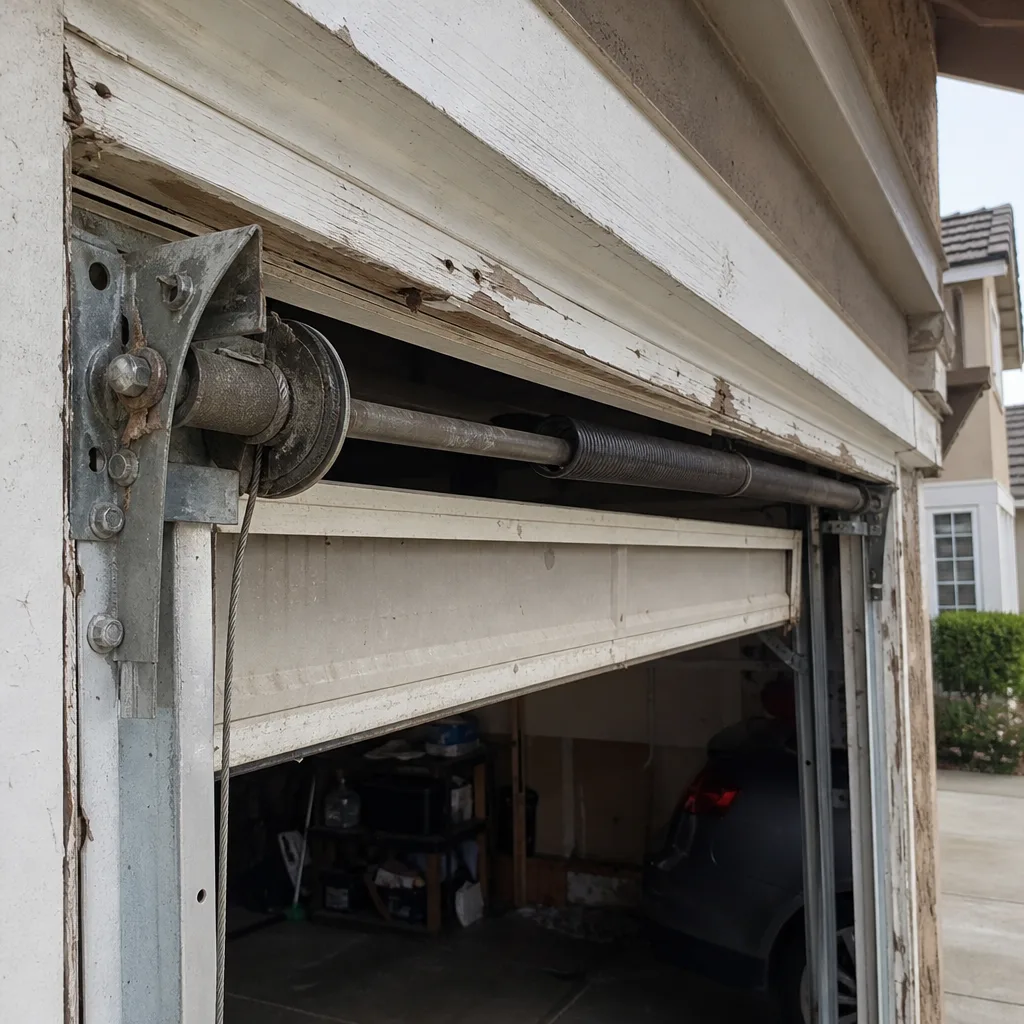 Before
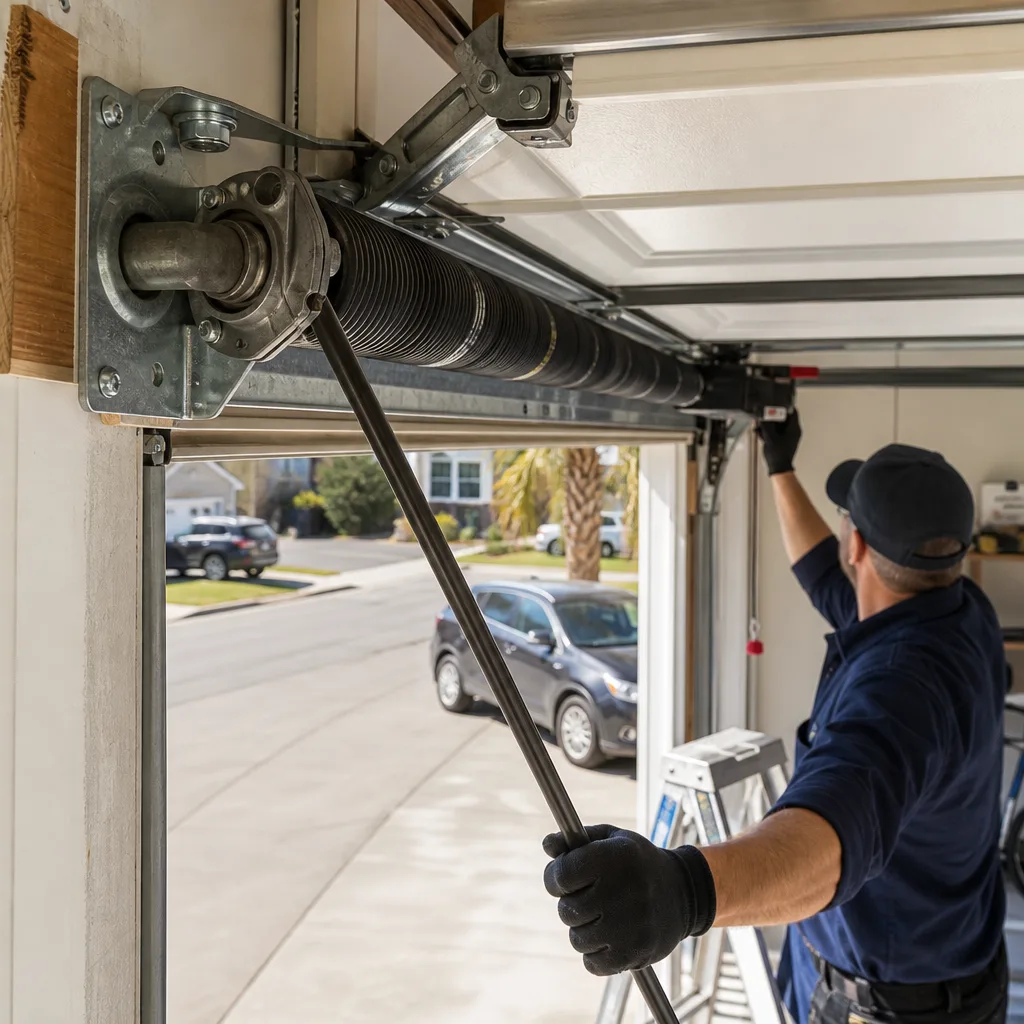 After
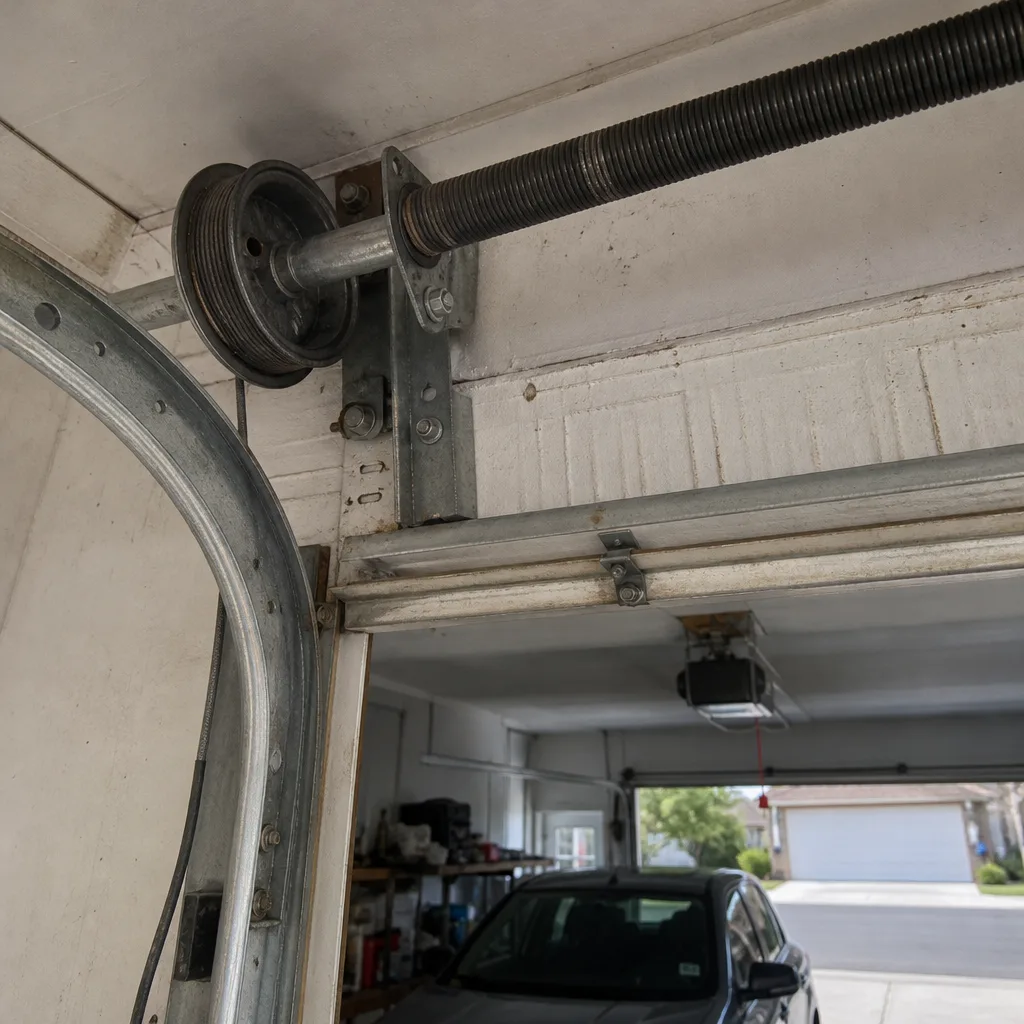 Before
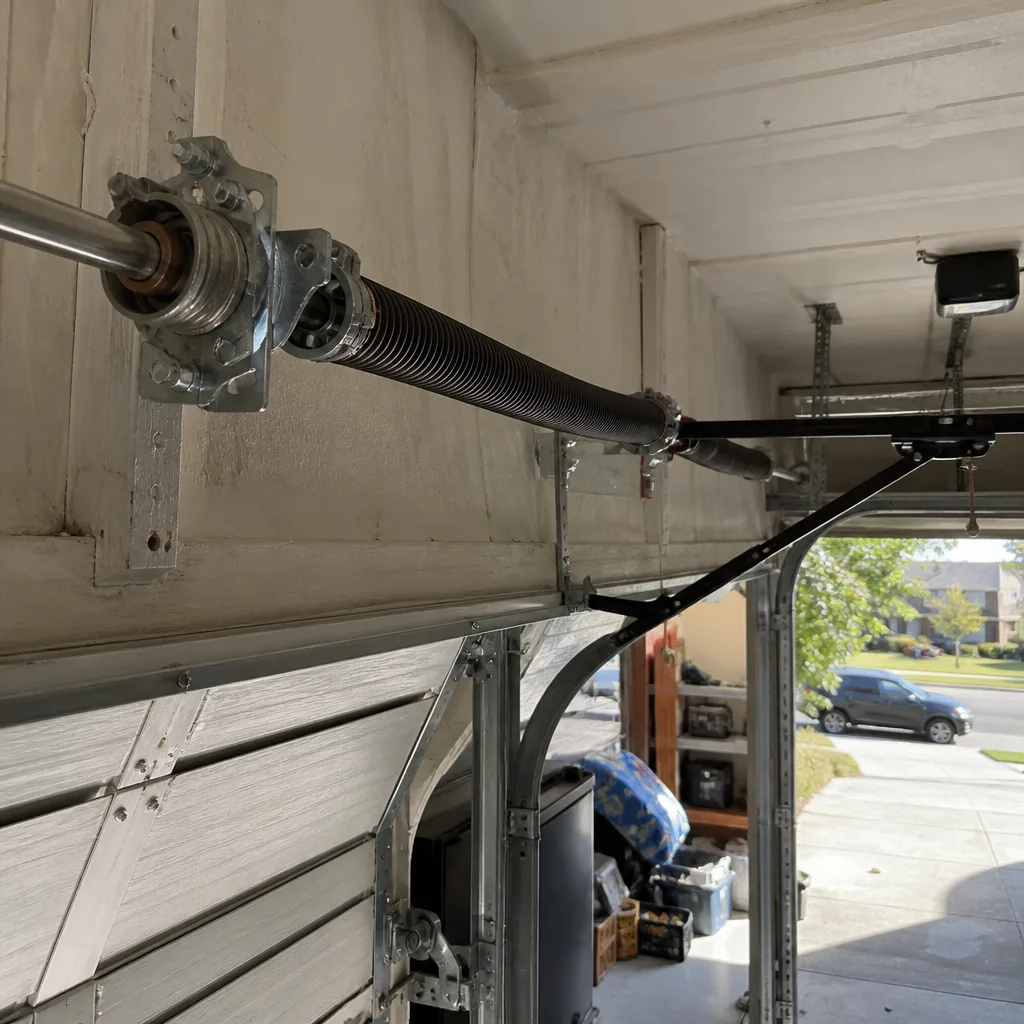 After
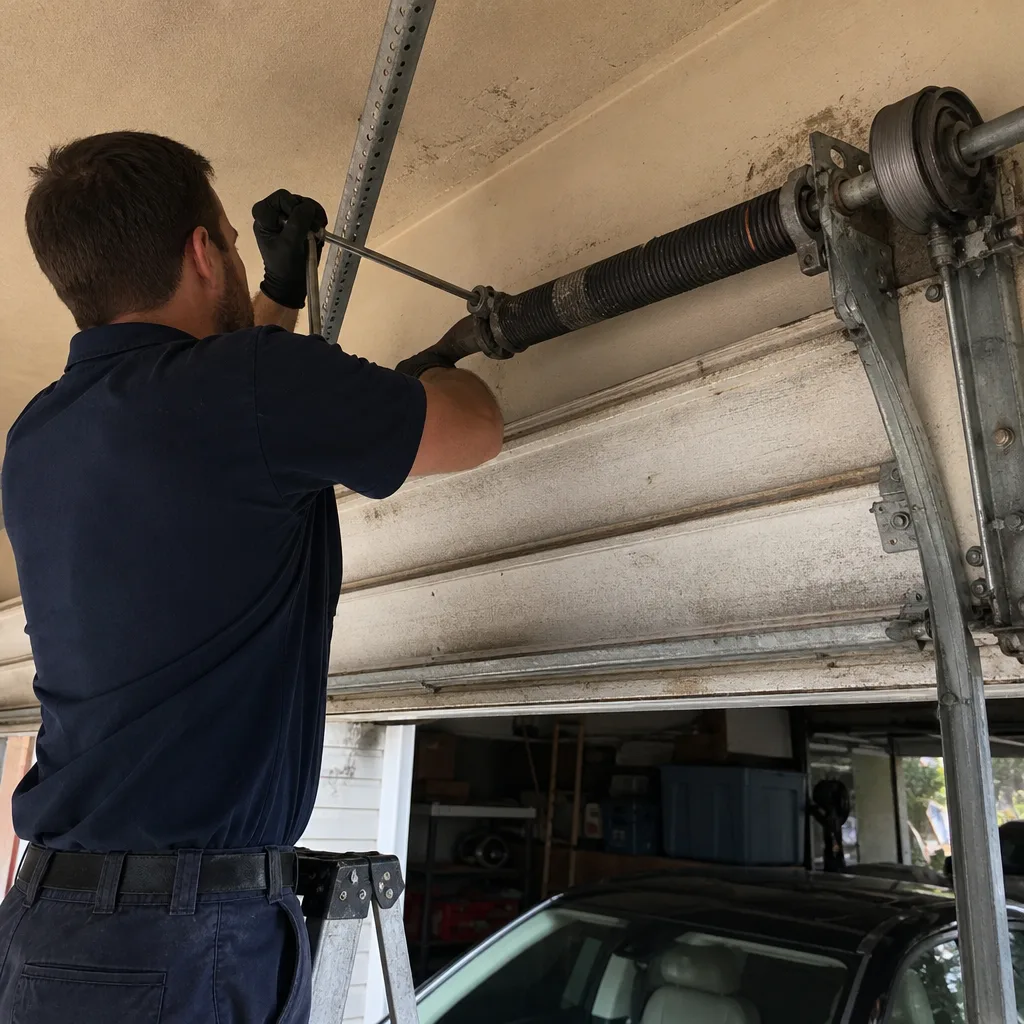 Before
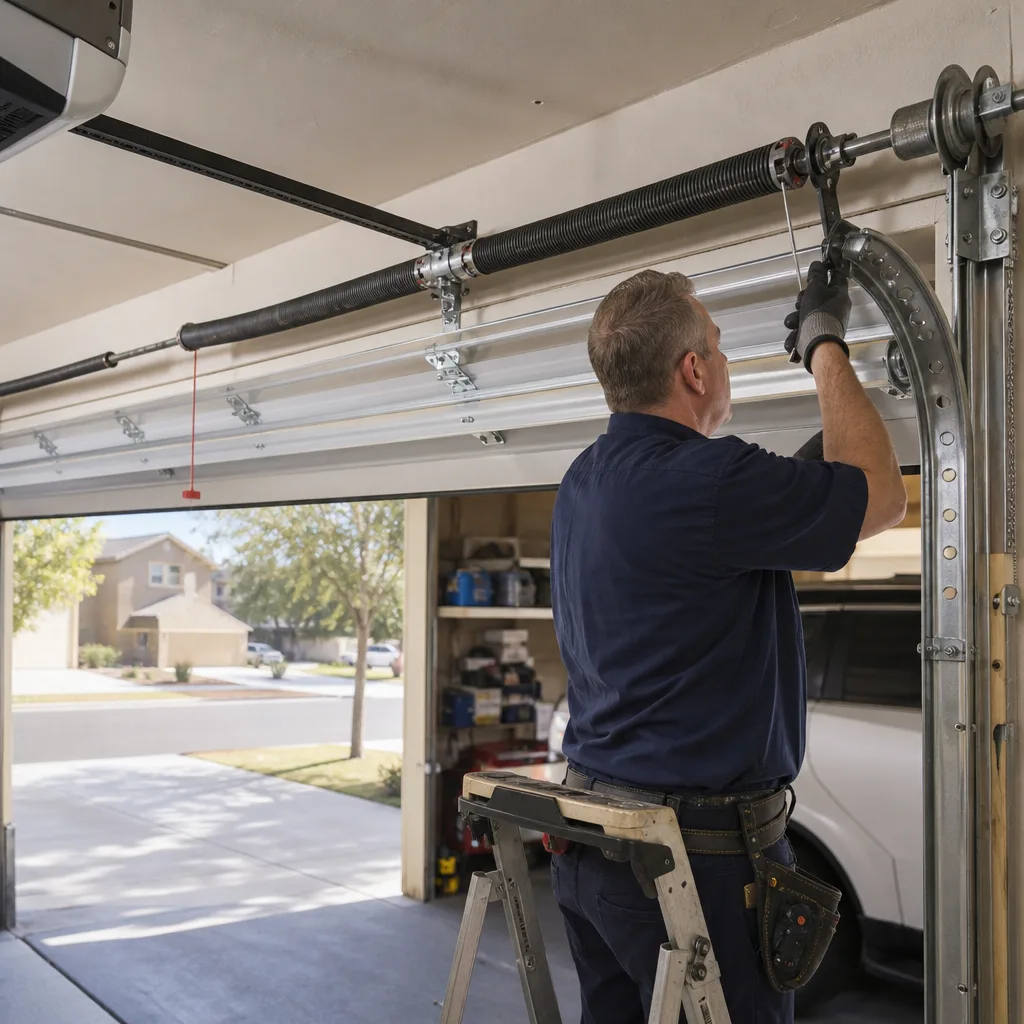 After
When to Call a Professional
Call a professional if you have a broken torsion spring, a snapped lift cable, a bent or jumped track, or an opener that fails to run after you’ve confirmed the spring is intact. Call if the door is off-balance, if it opens crooked, or if you’ve already attempted a repair and it’s still not right. Call if you rent the property out and need the work done to a standard your insurer will accept. And call if you simply don’t want to spend a Saturday wrestling with a 300-pound door in a hot garage. Old Glory Garage Door offers free estimates in Temecula, and we quote the price before any work starts. Call (877) 522-1085.
Frequently Asked Questions
Spring replacement in Temecula typically runs $250 to $450 depending on spring size, door weight, and whether you have one spring or two. The price includes the springs, labor, and balancing the door afterward. Always get the price quoted before work starts, and call (877) 522-1085 for a free exact estimate.
No. Torsion springs are under enough stored tension to cause severe or fatal injury, and the winding bars used to service them become projectiles if they slip. This is the single most dangerous residential repair task that homeowners attempt, and it’s the one task where the risk is not exaggerated. Hire a trained professional.
You can safely program remotes and keypads, lubricate rollers and hinges, replace bottom weatherstripping, and realign photo-eye sensors. These four tasks require no special tools, have no spring involvement, and carry almost no injury risk. Everything else, at minimum, warrants a professional consultation.
Probably not fully, and possibly not at all. Homeowner policies cover sudden accidents, but insurers often deny liability claims when the damage traces to self-performed work on a known hazardous component like garage door springs. A licensed professional carries their own insurance, which protects you from that gap.
Temecula’s summer heat pushes garage temperatures past 110 degrees, and sustained heat accelerates metal fatigue in spring wire. A spring rated for 10,000 cycles in mild coastal weather often lasts only five to six years in Temecula’s inland valley. Spring failures peak here between July and September.
Most quality garage door companies in Temecula offer same-week service, and many offer same-day appointments for spring and cable failures that leave your door stuck open or closed. Old Glory Garage Door provides free estimates and works around your schedule. Call (877) 522-1085 to check availability this week.
The Bottom Line
The DIY-vs-pro question for Temecula garage doors comes down to one word: tension. Tasks without spring involvement are genuinely safe, genuinely easy, and genuinely worth doing yourself. Tasks with spring involvement are genuinely dangerous and genuinely worth paying for. You’ll save money doing your own lubrication, weatherstripping, sensors, and remote programming. You’ll save your hands and possibly your life by calling a pro for springs, cables, and track work. Know the difference, respect the line, and you’ll make the right call every time.
Written by the team at Old Glory Garage Door, serving Temecula since 2014.