
Last updated October 30, 2026
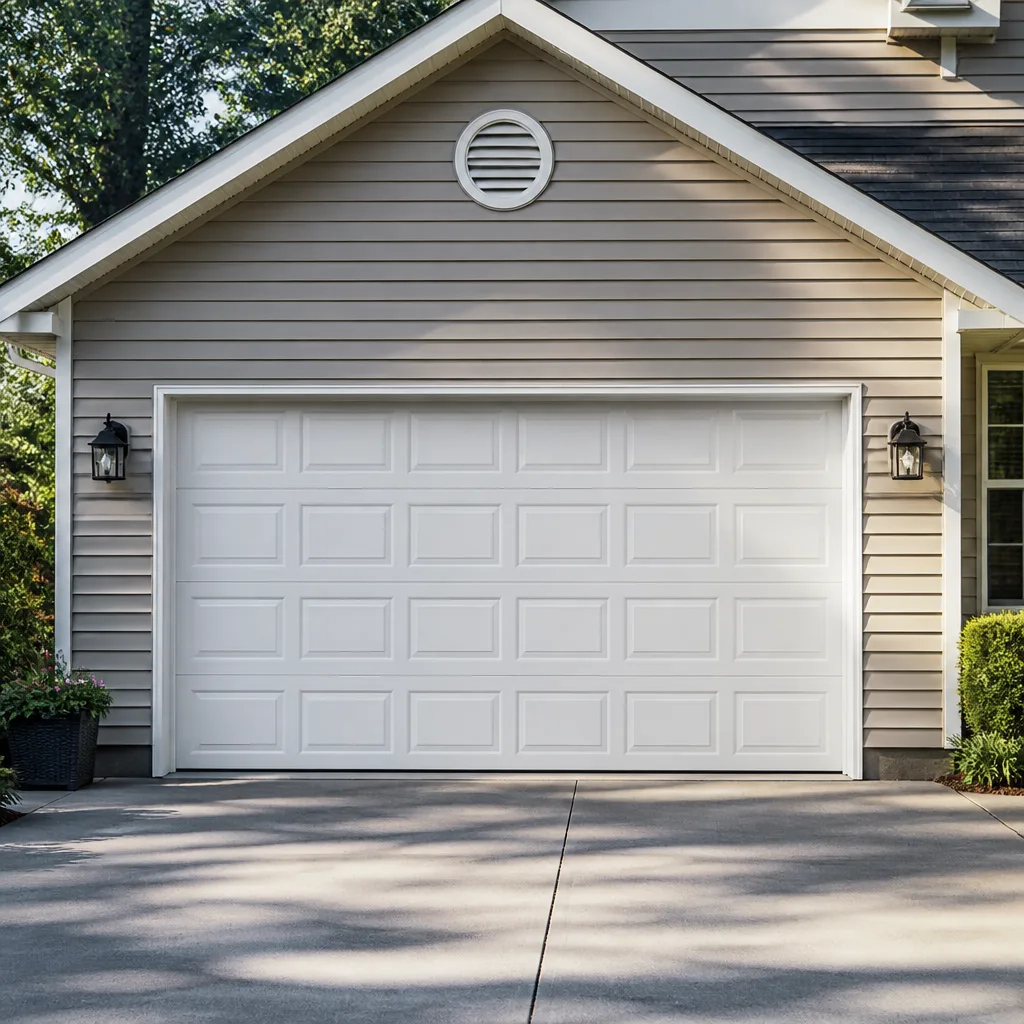 Raised-panel steel
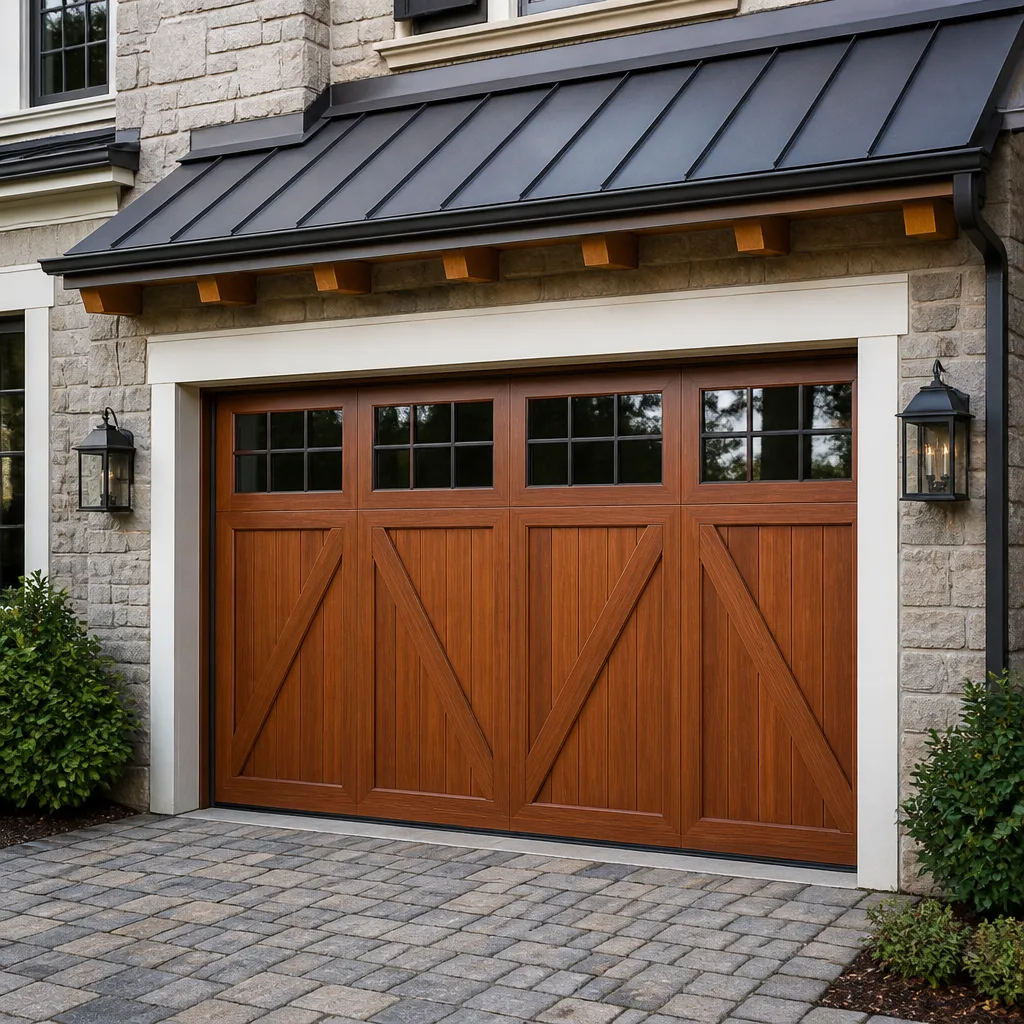 Carriage house
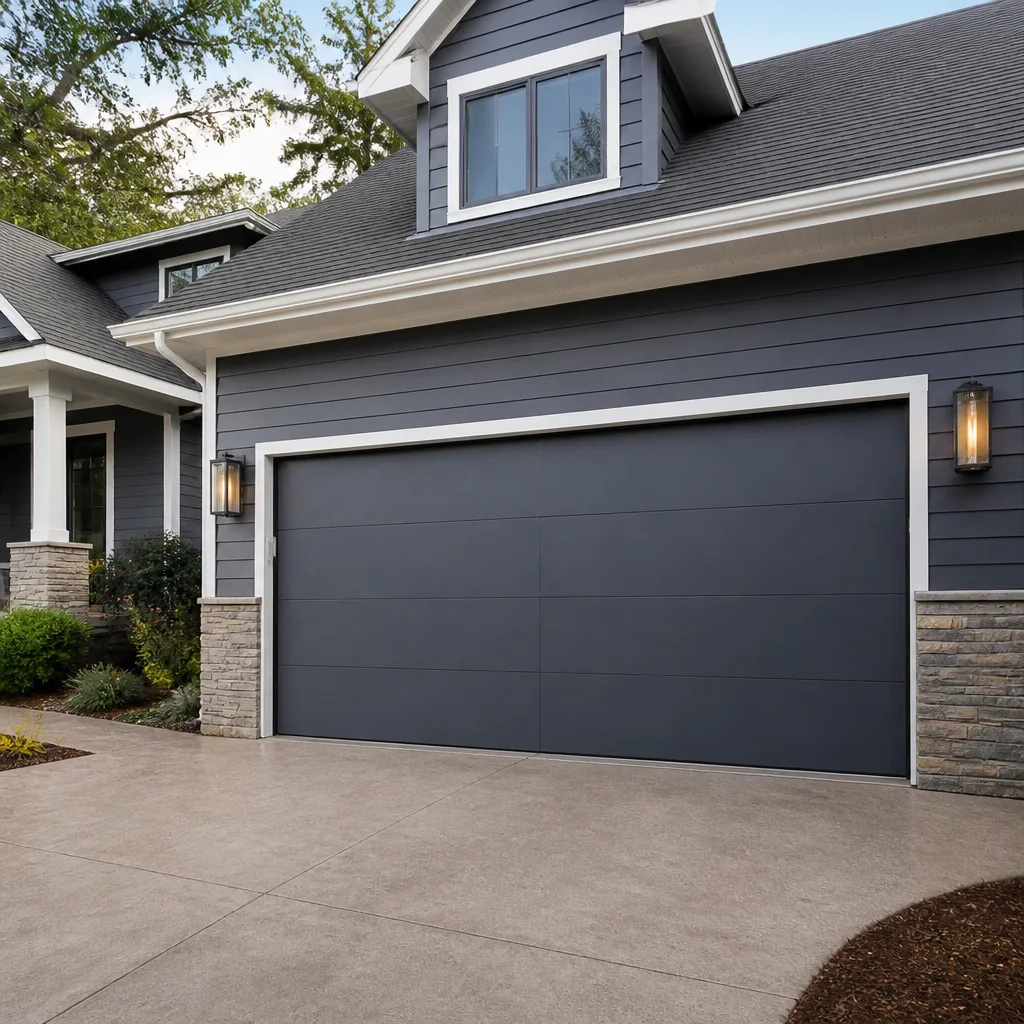 Modern flush
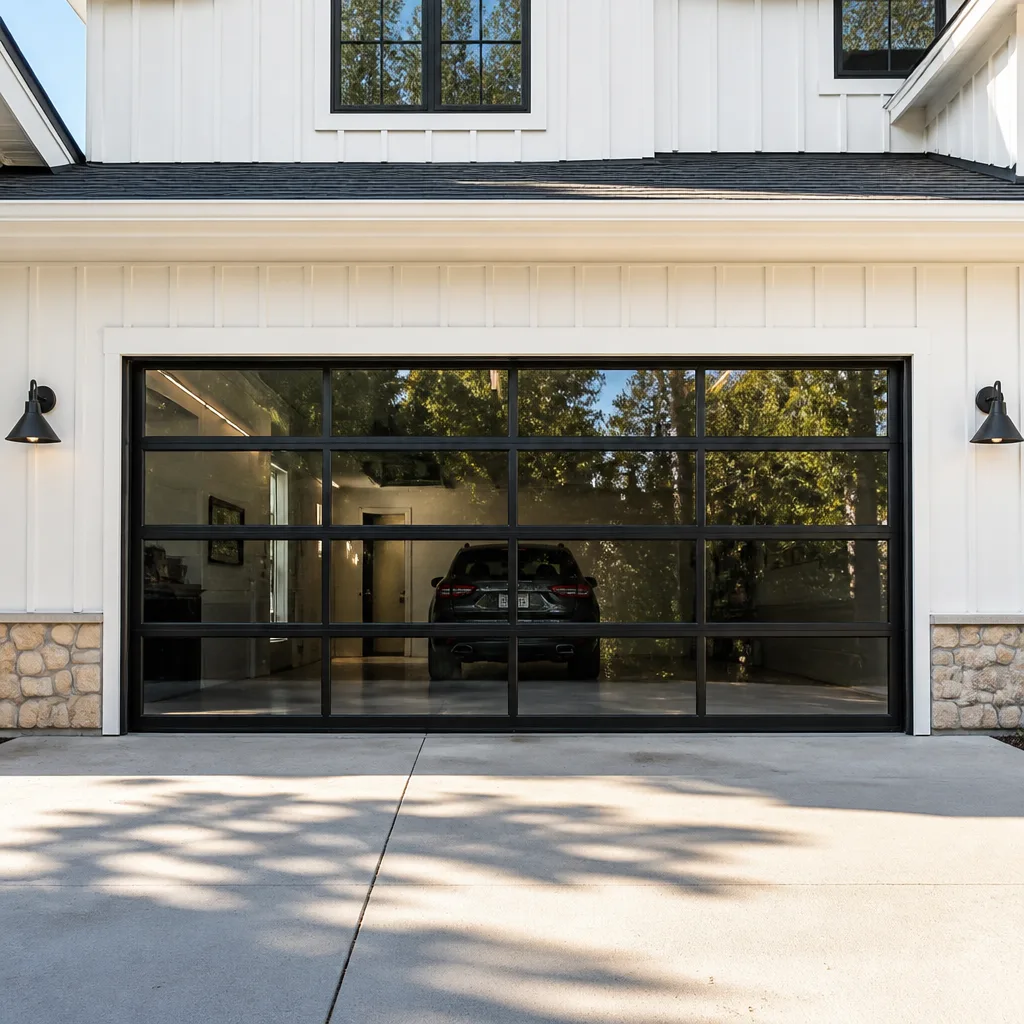 Full-view glass
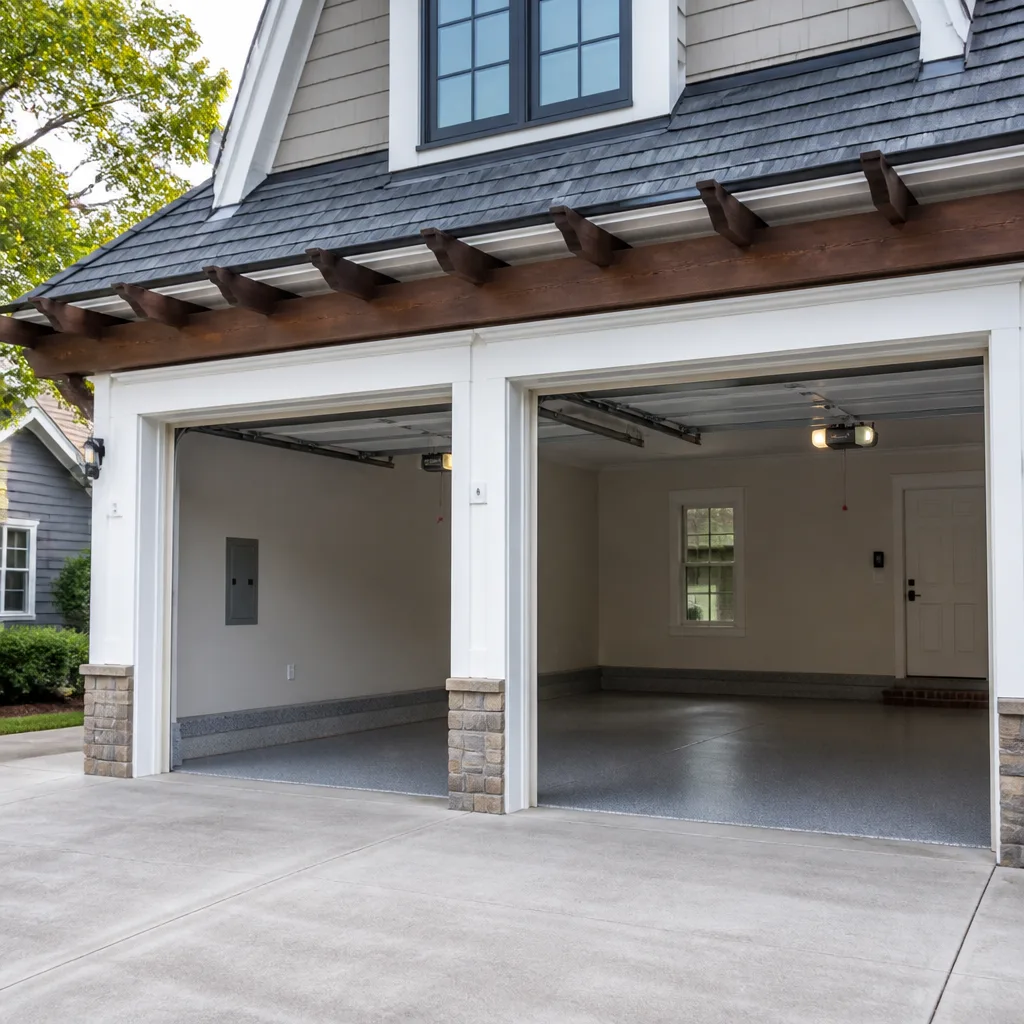 LiftMaster openers
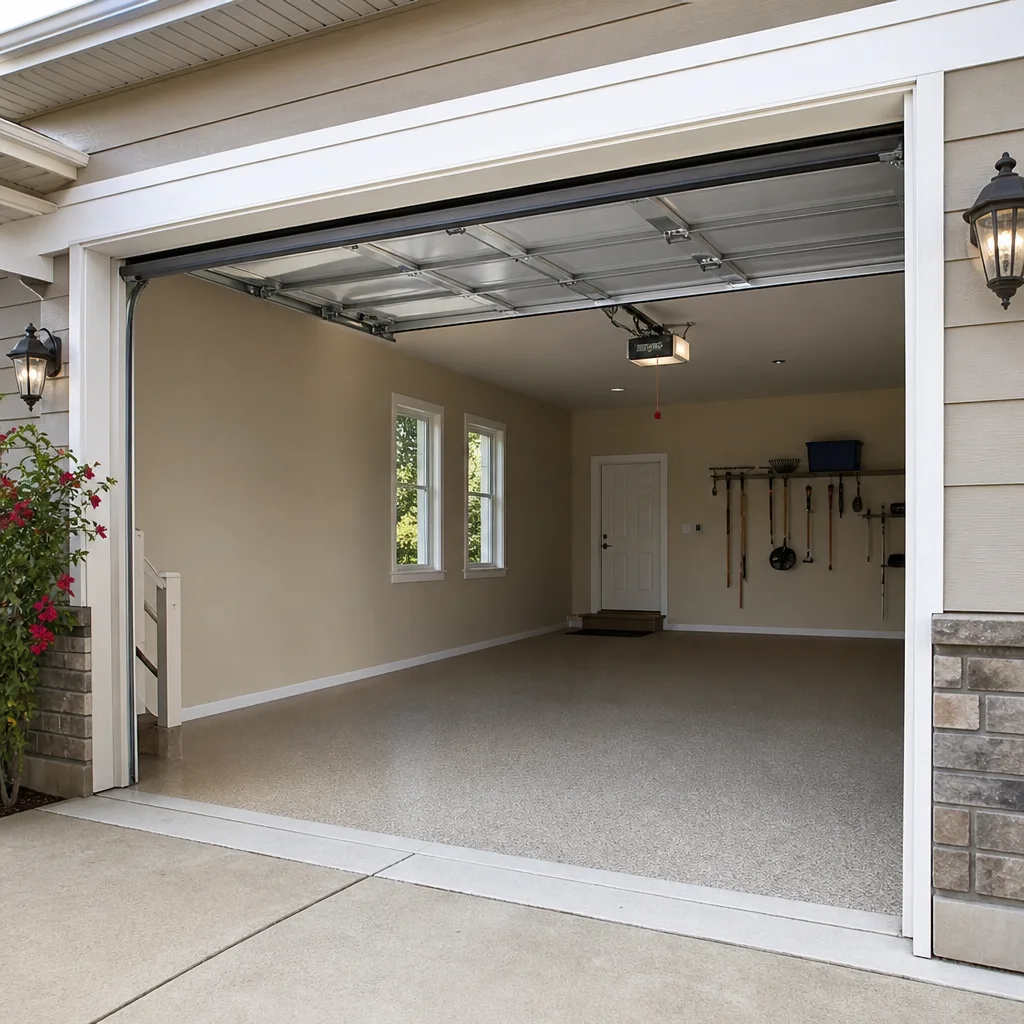 Chamberlain openers
Full 25-point door and opener safety check with every visit - springs, cables, rollers, tracks, and your LiftMaster or Chamberlain opener included
You get a price before we start. It does not change when the truck arrives.
Get your free estimateSeasonal Garage Door Care for Temecula: Year-Round Homeowner’s Guide
Temecula averages roughly 300 sunny days a year, which sounds like low-maintenance weather until you understand what that sun actually does to a garage door. UV radiation and radiant heat are the number-one cause of premature panel warping and weatherstrip failure on west-facing garage doors in the valley, and we replace seals and panels every year that have been baked brittle by summers that regularly push past 95 degrees. This guide walks you through exactly what your garage door needs in Temecula’s specific climate, month by month, so you can catch small problems before they become $400 emergency calls. For a broader overview, see our The Complete Guide to Garage Door in Temecula. By the end, you’ll know what to inspect, what to lubricate, when to call a pro, and what it should cost.
Styles & brands we work with
Quick Answer
In Temecula, your garage door needs a 15-minute maintenance check four times a year, timed to the valley’s actual weather pattern: late spring (heat prep), early fall (Santa Ana wind prep), early winter (cold-weather auto-reverse check), and late winter (post-rain hardware inspection). The three tasks that prevent the majority of local failures are lubricating the rollers and hinges before summer heat, tightening track bolts before Santa Ana wind season, and testing the auto-reverse safety system when temperatures drop below 45 degrees. Most of this is DIY work, but spring replacement, cable repairs, and any track adjustment should always go to a trained technician because those components are under dangerous tension. For details on professional repairs, read our The Complete Garage Door Repair Guide for Temecula Homeowners.
Table of Contents
- Why Temecula’s Climate Punishes Garage Doors Differently
- The Month-by-Month Temecula Garage Door Care Calendar
- Summer Maintenance: Heat, UV, and Thermal Expansion
- Santa Ana Wind Season Prep
- Winter Care: Cold-Snap Adjustments and Auto-Reverse Testing
- Spring Post-Winter Inspection: What the Temperature Cycle Does to Hardware
- The Right Way to Lubricate a Garage Door in Temecula’s Heat
- Weatherstrip and Bottom Seal Replacement: When Temecula Sun Kills Rubber
- Common Mistakes to Avoid
- When to Call a Professional
- Frequently Asked Questions
- The Bottom Line
Why Temecula’s Climate Punishes Garage Doors Differently
Most garage door maintenance guides are written for places with four recognizable seasons: frozen winters, wet springs, humid summers, and crisp autumns. For more guides & resources tailored to local conditions, explore our blog. Temecula doesn’t fit that model, and neither should your maintenance calendar. What we actually get in the Temecula Valley is a unique combination of intense dry heat, UV exposure that rivals desert environments, episodic high-wind events, and winter nights that genuinely dip into the 30s in neighborhoods like Redhawk, Wolf Creek, and Paseo del Sol. That combination stresses a garage door system in ways that neither coastal San Diego conditions nor Midwest freeze-thaw cycles do.
The inland valley position matters more than most homeowners realize. Coastal marine layers rarely reach Temecula, so doors here get unfiltered sun for more hours per day than doors 40 miles west. At the same time, the valley’s elevation and distance from the ocean means nighttime temperatures swing hard, sometimes 30 degrees or more in a single day. Metal expands during that heat and contracts at night. Hardware loosens. Rubber compounds in weatherstrip and bottom seals oxidize and crack years faster than they would in Carlsbad or Oceanside. And when Santa Ana winds fire up in September and October, loose hardware and worn seals become real problems fast.
In our experience working on garage door repair in Temecula, we see predictable failure patterns tied directly to this climate. West-facing doors in Morgan Hill and Meadowview need panel realignment or replacement far more often than north-facing doors in the same neighborhoods. Roller wear accelerates in summer because heat thins whatever lubricant was applied the previous fall. And spring failures cluster in two windows: mid-summer, when extended heat loads fatigue already-worn coils, and early winter, when the first real cold snap arrives and a spring that was hanging on in warm weather finally lets go.
The Month-by-Month Temecula Garage Door Care Calendar
Here’s the maintenance rhythm that matches Temecula’s actual seasons. This is not the generic four-season schedule you’ll find on national sites. Each task is timed to a specific local weather trigger.
- January: After the first cold week, test auto-reverse sensitivity. Cold temperatures change how openers read resistance. Check bottom seal for gaps left by December rain or rodent activity.
- February: Inspect all door hardware after the winter temperature cycle. Tighten track bolts and hinge screws that have loosened from repeated thermal contraction. Look for rust on exposed steel components after winter moisture.
- March: Apply a light lubrication to springs, hinges, and rollers as daytime temperatures stabilize in the 60s and 70s. This is the best window for a full inspection because the door isn’t heat-expanded.
- April: Check weatherstrip and bottom seals before heat arrives. Rubber that survived winter will start oxidizing as UV intensity increases. Replace anything cracked or brittle now, before it fails completely in July.
- May: Perform a full balance test. Disconnect the opener and lift the door manually to halfway. It should stay in place. If it drops, call for a spring adjustment before summer heat makes existing tension issues worse.
- June: Check metal door panels for early signs of heat-related warping, especially on west-facing doors. Look for uneven gaps at panel seams. Verify opener motor housing has ventilation clearance during peak heat.
- July: Listen for unusual grinding or squealing during operation. Heat thins lubricant, and dry metal-on-metal wear accelerates quickly once temperatures stay above 90. Re-lubricate if needed.
- August: Inspect rollers for wear and flat spots. Polymer rollers degrade faster in sustained heat. This is also the month we see the most spring failures in Temecula, so pay attention to any imbalance or jerky movement.
- September: Santa Ana prep. Tighten every bolt on horizontal and vertical tracks, check top bracket anchors, and make sure the door sits flush in its opening. Loose hardware in a 60 mph gust reshapes tracks and snaps cables.
- October: Reinforce or replace worn weatherstrip before wind season. Loose weatherstrip drums against the door in high wind, and the noise is the sound of it tearing. Check door alignment after the first significant Santa Ana event.
- November: Test opener photo-eye alignment and auto-reverse function before cold weather. Falling leaves and dust from wind events can block sensors. A blocked sensor that goes unnoticed becomes a major inconvenience on a cold morning.
- December: Inspect bottom seal for cold-weather stiffness and gaps. Rodents look for warm garages as temperatures drop, and a stiff, gapped seal is an open invitation. Test the auto-reverse one more time as the first freezing nights arrive.
This calendar is a guide, not a mandate. If you’d rather have someone else do the legwork, our Old Glory Garage Door home page covers what we do, and a quick call gets you on the schedule for a full seasonal inspection.
Summer Maintenance: Heat, UV, and Thermal Expansion
Temecula summers are the most stressful period for a garage door system. Daytime highs in the upper 90s, sustained UV exposure, and radiant heat from driveways and stucco walls create conditions that other California regions don’t experience. The three problems we see most often between June and September are lubricant breakdown, polymer component degradation, and panel warping on doors that get direct afternoon sun.
Heat-Specific Lubrication
Standard garage door lubricants, especially silicone-based sprays, thin out dramatically once temperatures exceed 90 degrees. The result is metal-on-metal contact between rollers and hinges, which sounds like a dry squeal and accelerates wear on every moving part. For Temecula summers, you want a heavier white lithium grease on hinges and bearing surfaces, applied sparingly so it doesn’t collect dust. Springs should be coated evenly with a lubricant designed to penetrate coil gaps. We typically recommend re-lubricating twice during summer if you operate your door more than twice a day, because the heat burns through even quality products faster than you’d expect.
Thermal Expansion Checks on Metal Doors
Steel and aluminum panels expand measurably in sustained heat. A door that operates smoothly in March can bind against its tracks in August simply because the panels grew wider. Listen for scraping or popping during operation, and look for fresh wear marks on the inside edges of the tracks. If you notice the door hesitating or catching on the way up, the track spacing may need adjustment to account for thermal expansion. This is also when west-facing doors, especially dark-colored ones, start showing panel ripple or warp. A door that absorbs direct afternoon sun with no shade structure can reach surface temperatures 40 degrees higher than ambient air.
Opener Thermostat and Ventilation
Garage door opener motors generate their own heat during operation. In a garage that’s already 105 degrees, an opener running multiple cycles a day can overheat and trip its internal thermal protection, which shows up as a door that stops mid-cycle and won’t move again for 15 to 20 minutes. Keep the area around the opener’s motor housing clear, and make sure your garage has at least basic passive ventilation. If your opener consistently overheats in summer, the fix is often a motor that’s working too hard because the door itself needs maintenance, not the heat alone. LiftMaster and Chamberlain openers typically handle high temps better than older models, but even brand-name openers will thermal-trip if they’re fighting a poorly balanced door. If you’re dealing with opener issues, our garage door opener repair in Temecula service gets to the root cause, whether it’s the motor or the door it’s attached to.
Santa Ana Wind Season Prep
Santa Ana wind events are the most destructive force for garage doors in Temecula after neglect itself. These winds arrive from the northeast, funnel through the valley, and regularly hit sustained speeds of 30 to 50 mph with gusts to 70. A garage door is essentially a large sail in those conditions, and if the hardware anchoring it to the frame isn’t tight, the wind finds the weak point.
The components that fail first in high-wind events are the top bracket anchors, the horizontal track supports, and the cable drums. Top brackets take the most direct load when a door flexes inward under pressure. If those anchors are loose, the bracket shifts, the cable tension changes, and you end up with a door that opens crooked or not at all. Horizontal track supports, especially on older installations where lag screws have worked loose over years of thermal cycling, are another common failure point. We’ve seen wind events in Temecula rip horizontal tracks clean off their supports because two lag screws had backed out a quarter inch and nobody noticed.
Before wind season starts in late September, do this:
- Check every lag screw on both vertical tracks. They should be snug against the frame with no wiggle room.
- Check the horizontal track supports in the ceiling. Push up on the track. It should not move at all.
- Inspect the top bracket on each side. Look for shifting, bent metal, or wear around the mounting holes.
- Close the door and look at the gap around the edges. A door that doesn’t seat evenly leaves that much more surface for wind to grab.
- Check weatherstrip condition. Loose or torn weatherstrip slaps against the door in high wind and tears further.
If any of these items are loose, bent, or showing signs of movement, the fix belongs with a professional. Track and bracket work involves components under spring tension, and the margin between a secure door and a sheet of metal swinging on wind pressure is thinner than most homeowners think.
Winter Care: Cold-Snap Adjustments and Auto-Reverse Testing
Temecula winters aren’t freezing on the scale of Truckee or Big Bear, but nights in the low 30s are common in December and January, and that’s cold enough to change how your garage door system behaves. Steel contracts. Lubricant thickens. Rubber seals stiffen. And openers that read force using a clutch or current sensor interpret all of that resistance as an obstruction.
Testing Auto-Reverse in Cold Temperatures
The auto-reverse safety system on your opener is designed to stop and reverse the door if it encounters resistance while closing. That system is calibrated for normal operating conditions, but cold weather changes the baseline. A door that got slightly stiffer because the rollers contracted and the lubricant thickened suddenly looks, to the opener’s force sensor, like it hit something. The opener may reverse mid-cycle for no apparent reason, or worse, the sensitivity may have been set too high by a previous owner to compensate for a poorly balanced door, and cold weather makes the situation worse.
Test it yourself: place a 2×4 flat on the floor under the center of the door opening, then close the door. The door should hit the wood and reverse within two seconds. If it crushes the board and keeps pushing, the opener is unsafe and needs adjustment immediately. This test should happen every winter, and twice a winter if you have kids or pets. Most modern openers from Genie, LiftMaster, and Chamberlain self-calibrate force sensitivity, but an older opener may need manual adjustment as temperatures shift.
Spring Tension in Cold Weather
Torsion springs and extension springs both respond to cold by becoming slightly stiffer chemically, while the metal components around them contract. On a door that’s already borderline, winter cold can expose weakness. If your door feels noticeably heavier on a 40-degree morning than it did on an 80-degree afternoon, that’s the spring losing its ability to compensate. A professional can assess whether tension needs adjustment. Spring work is never a DIY job, which we’ll say more about later in this guide.
Spring Post-Winter Inspection: What the Temperature Cycle Does to Hardware
By February or March in Temecula, your garage door has just come through a 50-degree temperature swing from summer’s peak. Every metal component has expanded and contracted thousands of times. Fasteners that were driven into wood framing have worked themselves looser. Nylon rollers have worn against track metal. The bottom seal has been pressed against a concrete floor that shifted slightly with moisture changes. This is the right time for what we call a full thermal-cycle inspection.
Work top to bottom:
- Springs and cables: Look for gaps in coil spacing, rust on cable strands, and any fraying near the drum. A broken strand on a cable is the early warning before a full cable snap.
- Hinges and brackets: Every hinge has rivets or bolts that fatigue over time. Check for play at each joint. The bottom bracket on each side takes the most load and should be rock-solid.
- Rollers and tracks: Rollers should spin freely without wobbling. Tracks should be free of debris and show no fresh wear marks from rollers running off-path.
- Bottom seal: Temecula’s winter rains, even in lighter years, press the seal into standing water. Lift it and look for dry rot, cracks, or gaps where it meets the floor.
- Opener hardware: Check the rail, chain or belt tension, and motor mounting bolts. Loose opener mounts cause noisy operation and premature gear wear.
If this full inspection feels like more than you want to take on, a seasonal service visit typically costs less than repairing the damage that a missed issue eventually causes. Our team handles garage door installation in Temecula as well, so if an inspection reveals your door has reached the end of its life, one call covers both the diagnosis and the replacement path.
The Right Way to Lubricate a Garage Door in Temecula’s Heat
Lubrication is the single highest-value maintenance task you can do yourself, and it’s also the one most often done wrong. The most common mistake is using WD-40, which is a solvent more than a lubricant and actually strips protective coatings. The second most common mistake is over-applying, which attracts Temecula dust and creates a grinding paste inside hinges and on rollers.
Use a lithium-based grease for hinges and a dedicated garage door lubricant for springs. Work the lubricant into the spring coils by applying along the full length while the door is closed. For hinges, place a small amount at each pivot point and work the door up and down once or twice to distribute it. Do not lubricate the inside of the tracks. Tracks should stay clean and dry. Any lubricant in the tracks just collects dust and causes the rollers to slip or bind.
In Temecula, plan to lubricate three times a year instead of the once-a-year schedule that works for coastal climates: once in March, once in June, and once in October. The summer reapplication matters because heat thins the product, and the October application protects through winter when cold thickens it. On Raynor and Amarr doors with quieter nylon rollers, you can go lighter on the hinges and focus on the springs, where friction is concentrated.
Weatherstrip and Bottom Seal Replacement: When Temecula Sun Kills Rubber
Rubber compounds have a direct relationship with UV exposure and heat: the more they get, the faster they oxidize, stiffen, and crack. In Temecula, a bottom seal or perimeter weatherstrip that would last six or seven years in San Diego often needs replacement in three to four years, especially on doors that face south or west. The signs are visible if you look: hairline cracks along the seal surface, a flattened profile instead of a rounded bulb, and gaps where the seal no longer contacts the floor evenly.
A worn bottom seal isn’t just an energy issue. During Santa Ana events, a gapped seal lets dust blow directly into the garage. During December cold snaps, it lets warm air escape and gives rodents a path in. And water from winter rain can pool under the door, accelerating concrete spalling at the threshold. Replacing a bottom seal is a straightforward job on most doors, but it requires removing the old seal, cutting the new one to length, and feeding it into the retainer rail. If the retainer itself is bent or rusted, that’s a bigger repair. Weatherstrip replacement typically costs between $110 and $180 in the Temecula market, installed, depending on door width and seal type.
Common Mistakes to Avoid
- Skipping lubrication for more than a season. Summer heat in Temecula doesn’t just dry out lubricant; it bakes it into a crust that increases friction and wears rollers, hinges, and springs prematurely.
- Using WD-40 on springs or rollers. We see this at least once a week. WD-40 is a penetrating oil and solvent, not a lubricant, and it strips away what little protection the components have left.
- Ignoring the balance test. A door that’s out of balance forces the opener to work harder, which burns out motors and gears. Checking balance takes two minutes and catches spring fatigue before it fails.
- Tightening track bolts randomly. If you tighten without checking alignment, you lock the track into a distorted position. The door then rides rough and wears everything faster.
- Waiting until wind season to think about wind damage. By the time Santa Ana winds are forecast, the hardware that needs attention has already been loose for months. Fix it in September, not October.
- Testing auto-reverse only once. Force settings drift, and cold weather changes the equation. Test it in January and again in June, especially if you have small children.
- Assuming a noisy door just needs grease. Noise is often the first symptom of a cracked hinge, a failing roller, or a spring that’s lost tension. Lubrication masks the sound but doesn’t fix the underlying problem.
When to Call a Professional
Some garage door tasks belong in the hands of someone who does them every day. Torsion springs, which are wound tight enough to store enough energy to lift a 150-pound door, can cause serious injury if they snap or release unexpectedly. Cables under tension can whip. A door that comes off its tracks can fall. These are not warnings for dramatic effect; they’re the reality of working with equipment that uses heavy gauge steel and high-tension coil springs.
Call a professional if your door is out of balance, if a spring looks rusted or has visible gaps between coils, if cables show any fraying, or if the door has come off its tracks. Also call if your opener consistently reverses when nothing is in the way, if the motor overheats regularly, or if you hear grinding that doesn’t improve after cleaning and lubrication. Old Glory Garage Door offers free estimates in Temecula. Call (877) 522-1085 and we’ll tell you exactly what’s fixable and what needs replacement before any work starts.
Frequently Asked Questions
Three times a year: once in March, once in June, and once in October. Temecula’s summer heat thins lubricant faster than coastal climates, so the mid-summer application keeps hinges and springs coated through the worst of it. Call (877) 522-1085 if you’d rather have a professional handle your seasonal maintenance.
Yes, and in ways most homeowners don’t notice until something fails. Sustained high winds flex the door panel inward, which transfers pressure to the top brackets and track anchors. If those are loose or worn, tracks bend, cables slip, and the door stops working, often during the event itself.
Expect to pay between $75 and $125 for a full seasonal inspection and minor adjustments in the Temecula market. Some companies roll that fee into the repair if work is needed. Call (877) 522-1085 for an exact quote. Estimates are free.
Cold temperatures make your door slightly stiffer, which changes how much force the opener senses. If the force sensitivity is set close to the threshold, the opener interprets that extra stiffness as an obstruction and reverses. A professional can adjust the sensitivity or diagnose the underlying stiffness in the door itself.
Most torsion springs are rated for about 10,000 cycles, which translates to roughly 7 to 10 years for a typical Temecula household that opens and closes the door three or four times a day. Summer heat cycling can shorten that lifespan, especially for doors that face direct sun and transfer that heat into the spring.
Only replace it if you see cracking, flattening, or gaps. In Temecula, rubber weatherstrip that’s exposed to direct sun typically needs replacement every three to four years. If yours is older than that and faces south or west, it’s worth a close look even if it hasn’t visibly failed yet.
The Bottom Line
Temecula’s climate doesn’t match any generic garage door maintenance guide, so your maintenance calendar shouldn’t either. The heat, UV exposure, Santa Ana winds, and cold winter nights each create specific wear patterns that predictable seasonal attention can catch early. Lubricate three times a year. Test your auto-reverse twice a year. Tighten hardware before wind season. Replace seals when the sun kills them. Spring and cable work belongs with a technician who works on doors full time, and whatever brand is on your door, from Genie to LiftMaster to Chamberlain to Raynor, the diagnosis matters more than the fix. If you’re selecting a new system, our Choosing the Right Garage Door Brand: A Buyer’s Guide for Temecula can help. Straight answers, fair price, done right. That’s how we operate, from a one-time inspection to a full door system replacement.
Written by the team at Old Glory Garage Door, serving Temecula since 2014.
See the difference
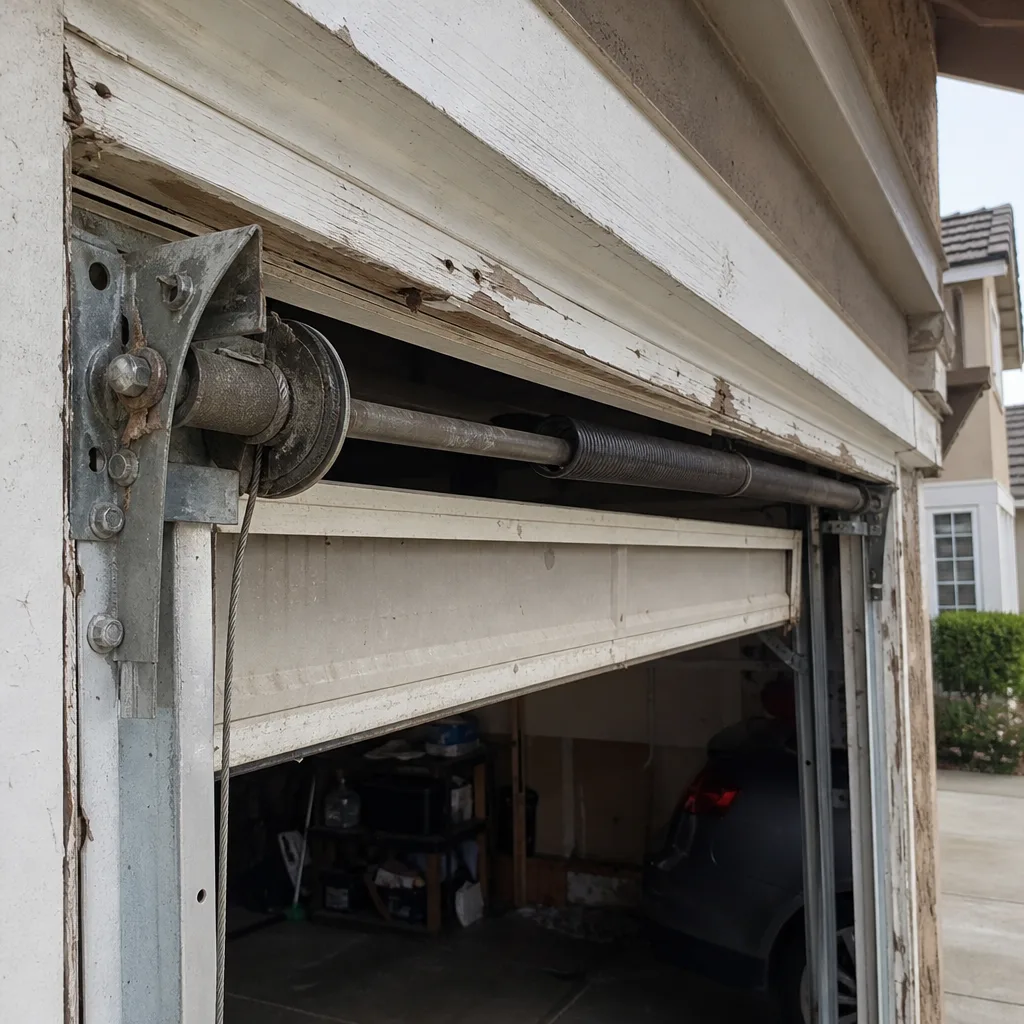 Before
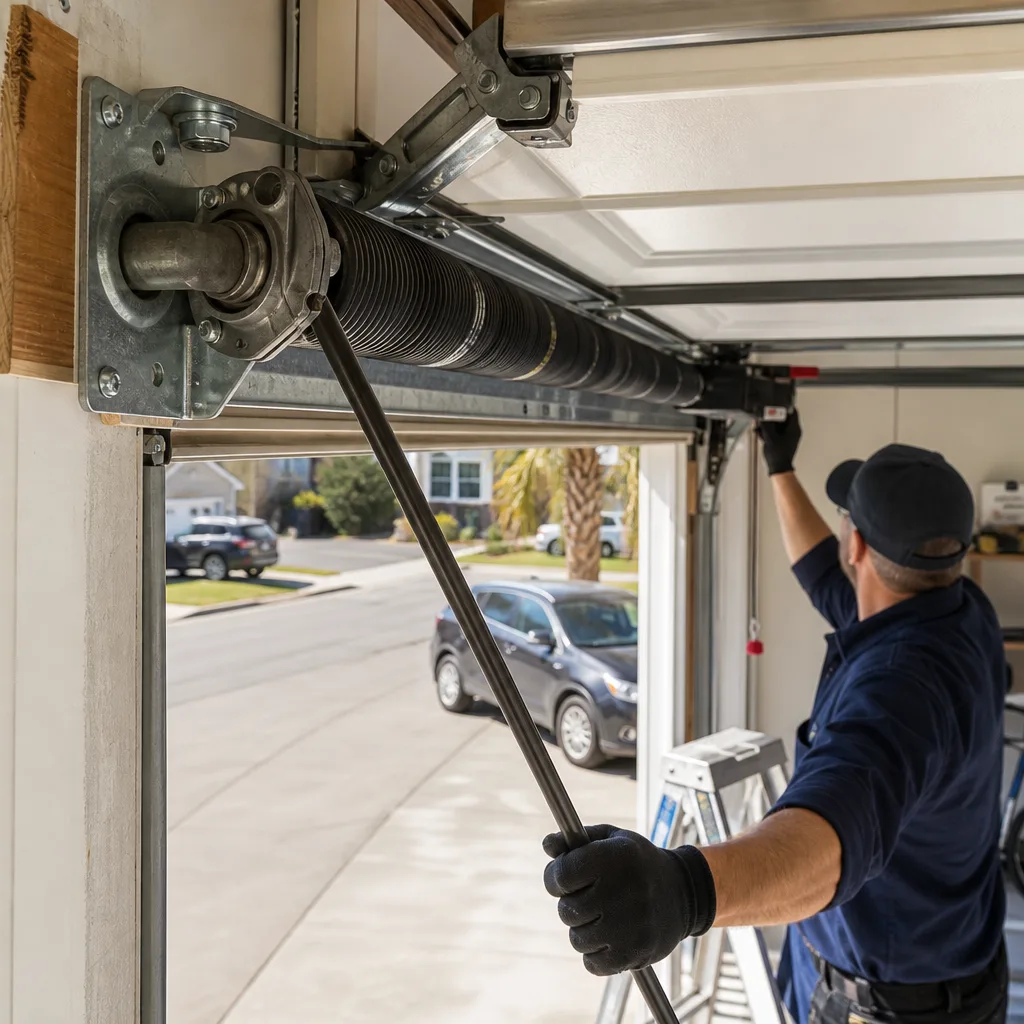 After
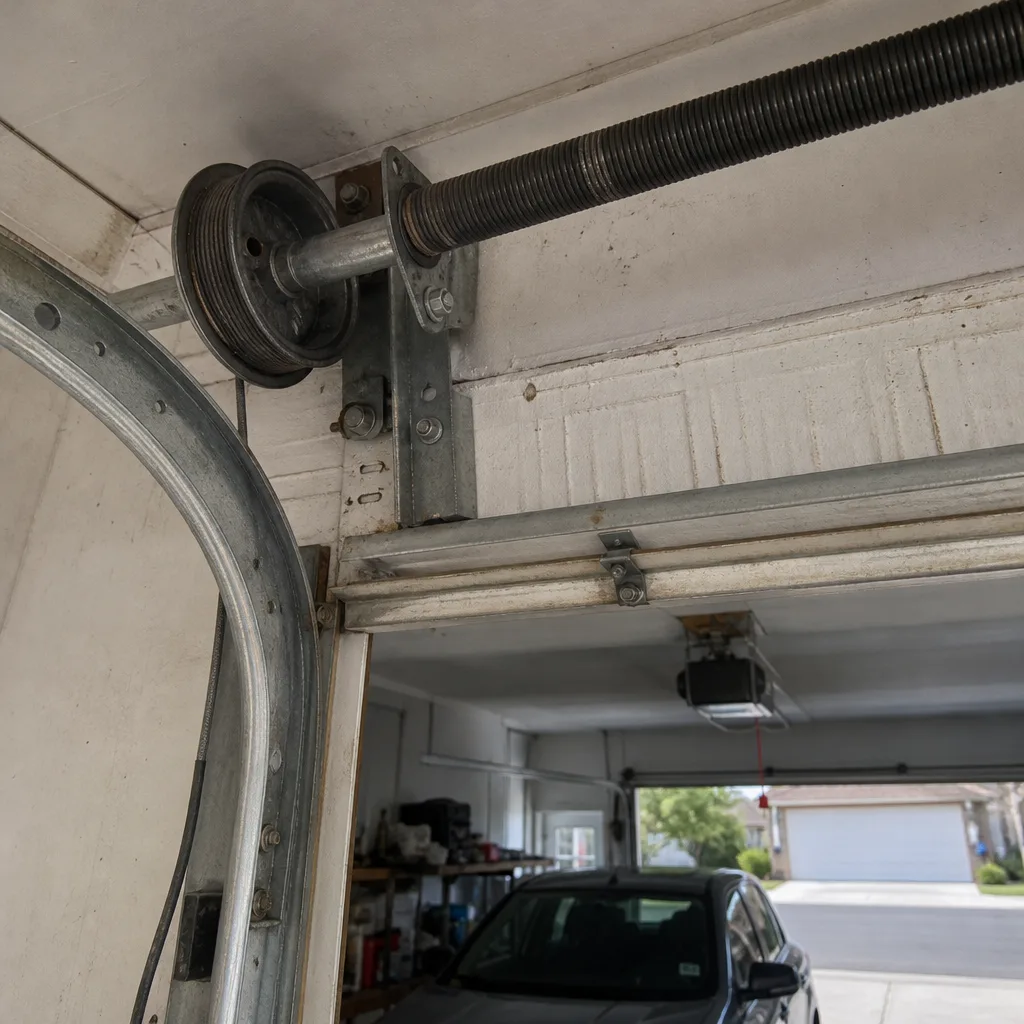 Before
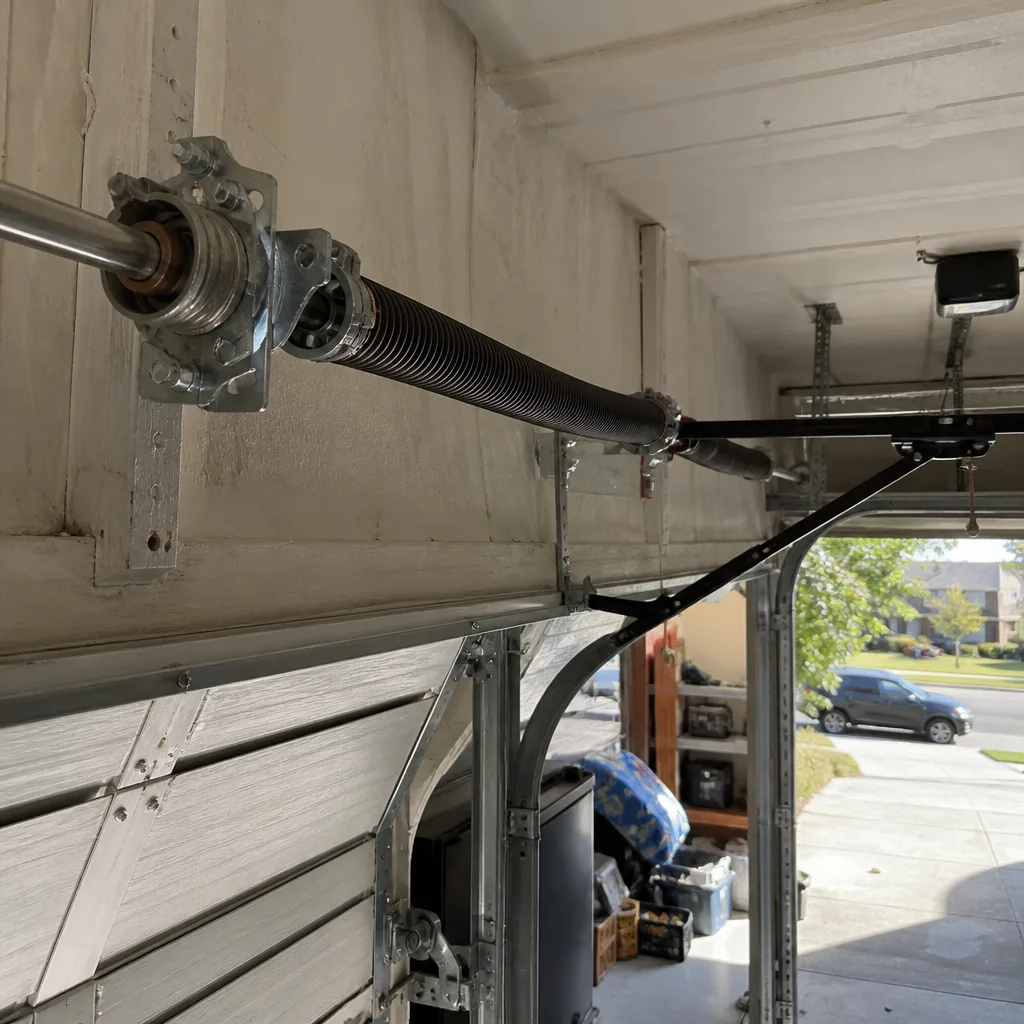 After
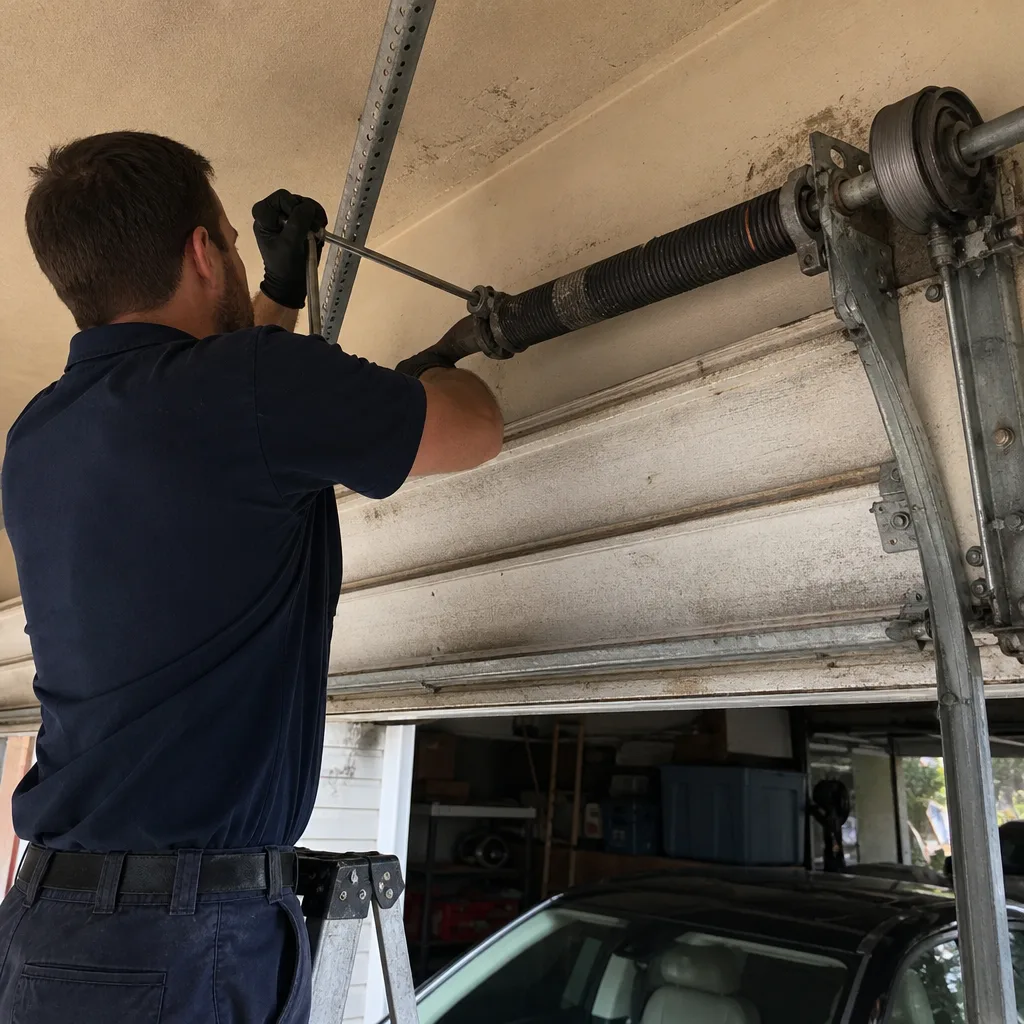 Before
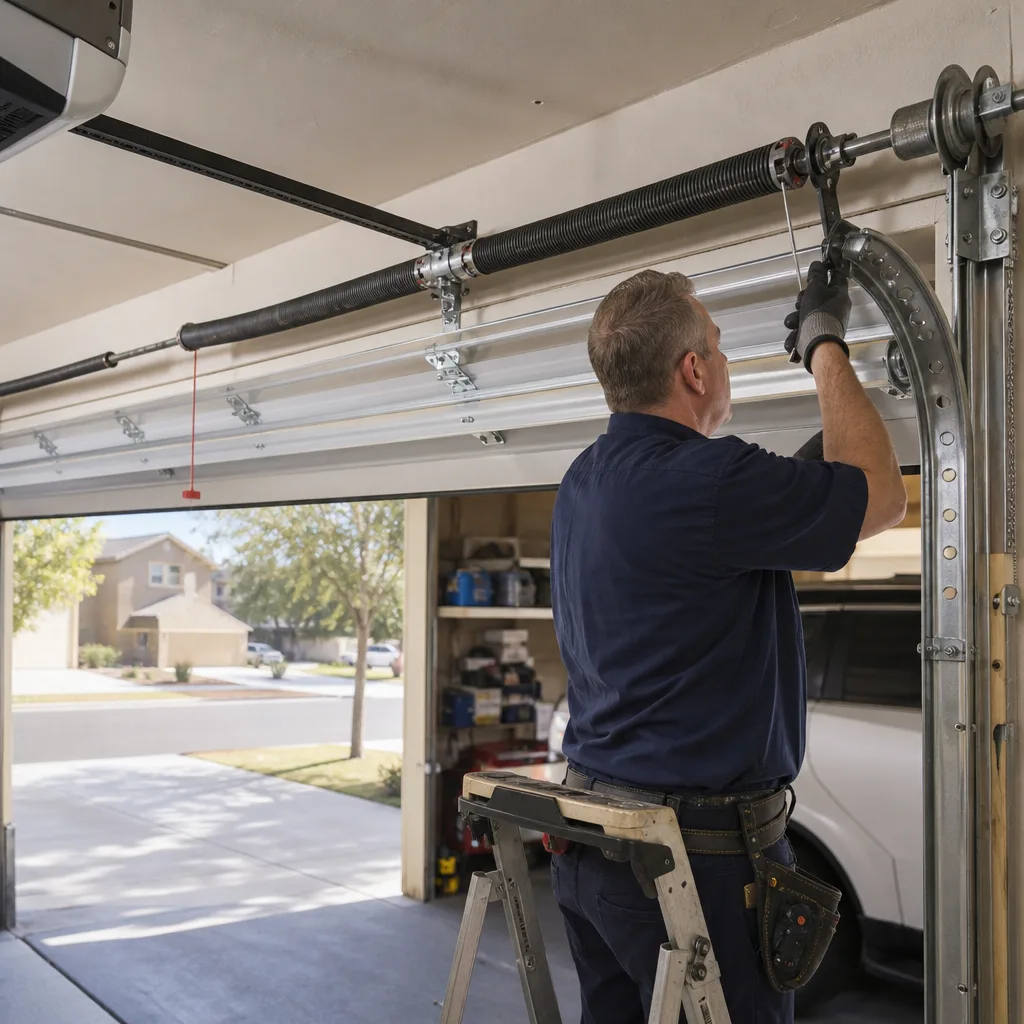 After