
Last updated October 30, 2026
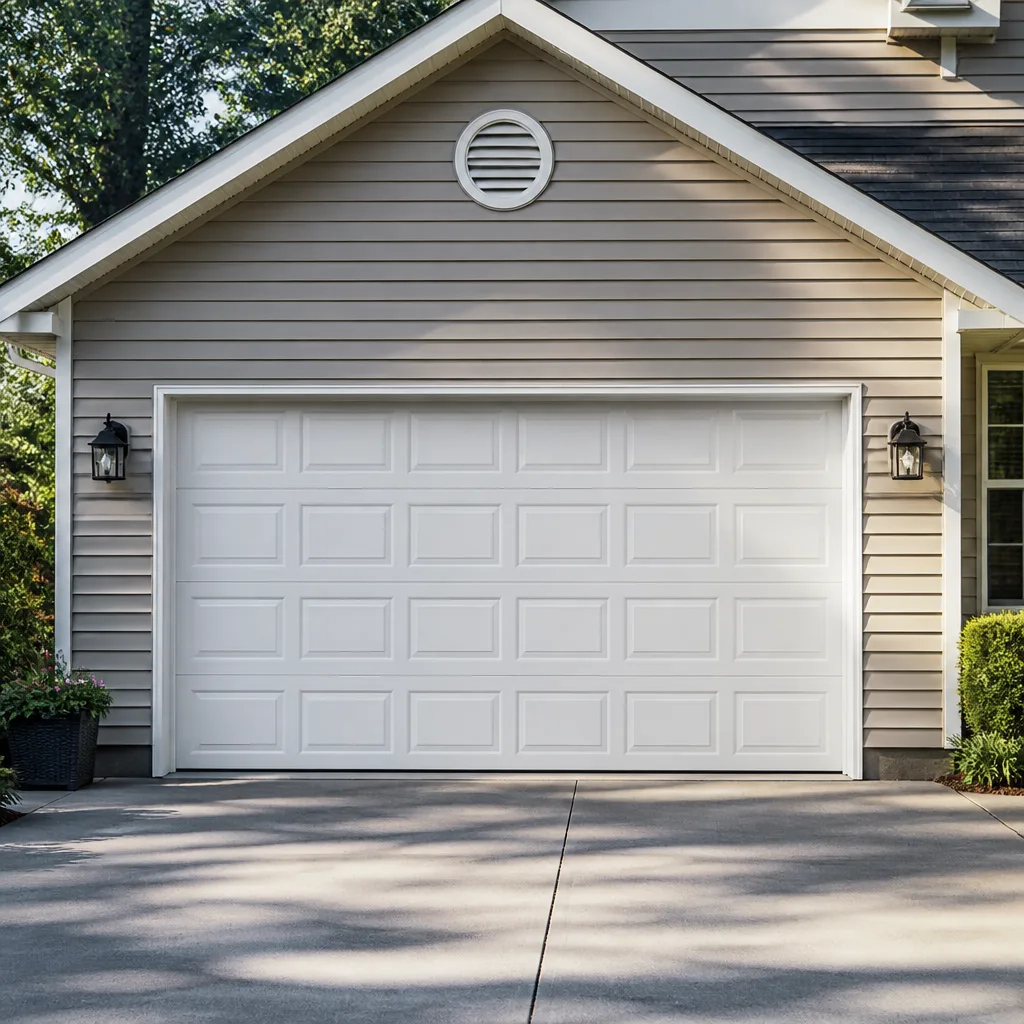 Raised-panel steel
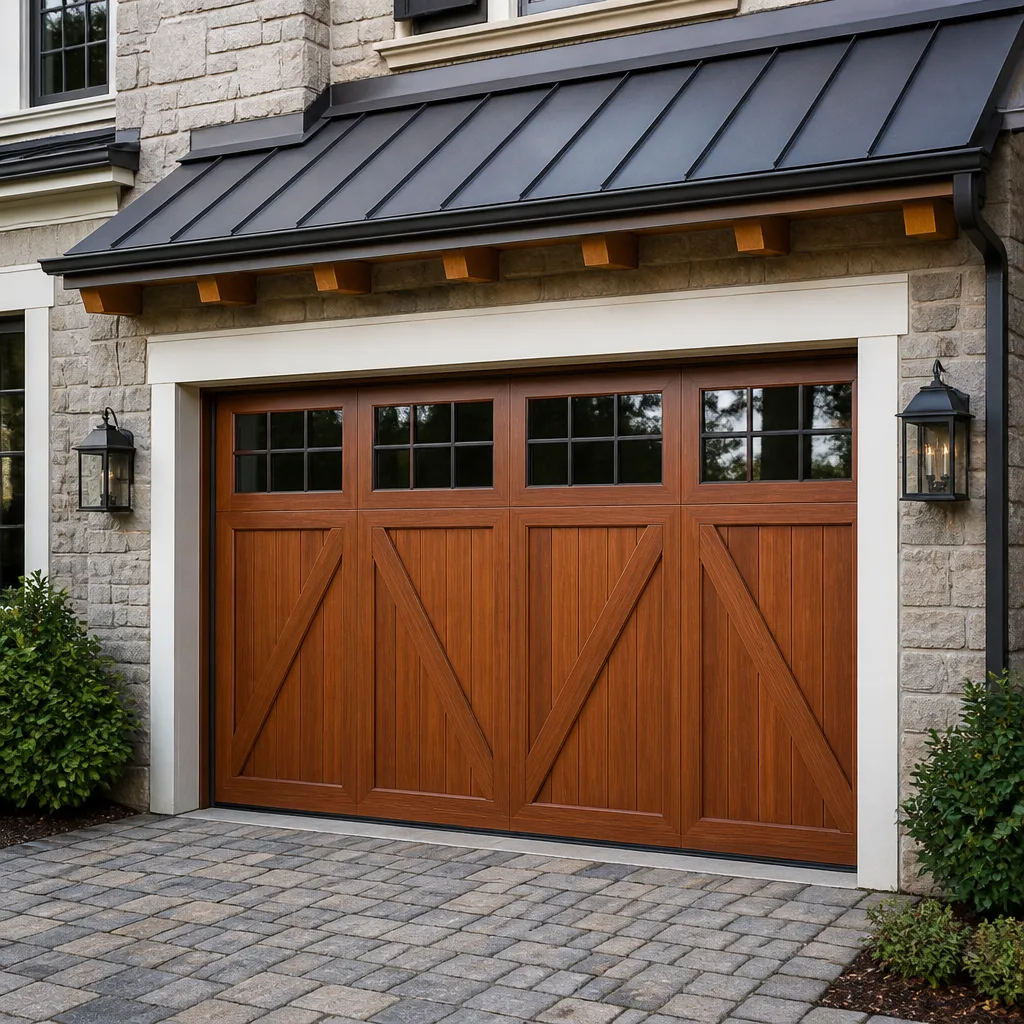 Carriage house
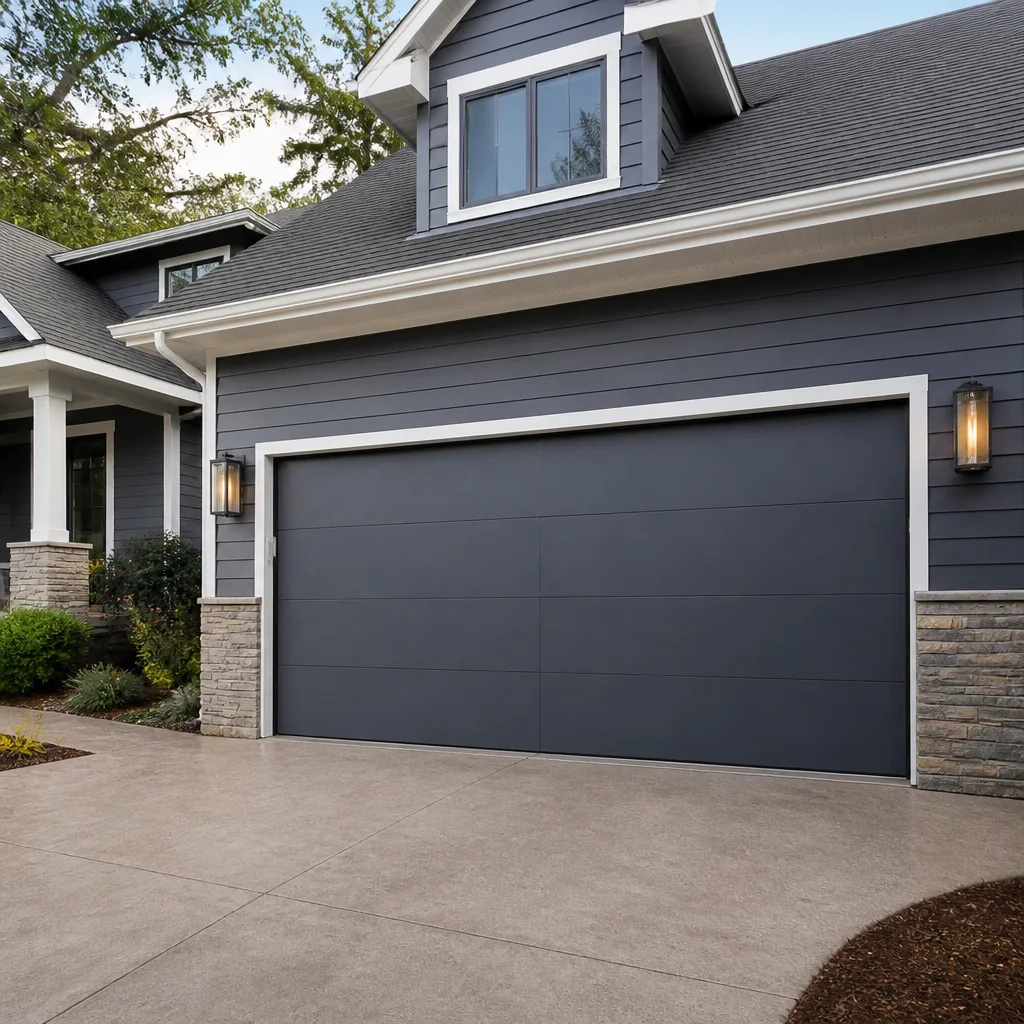 Modern flush
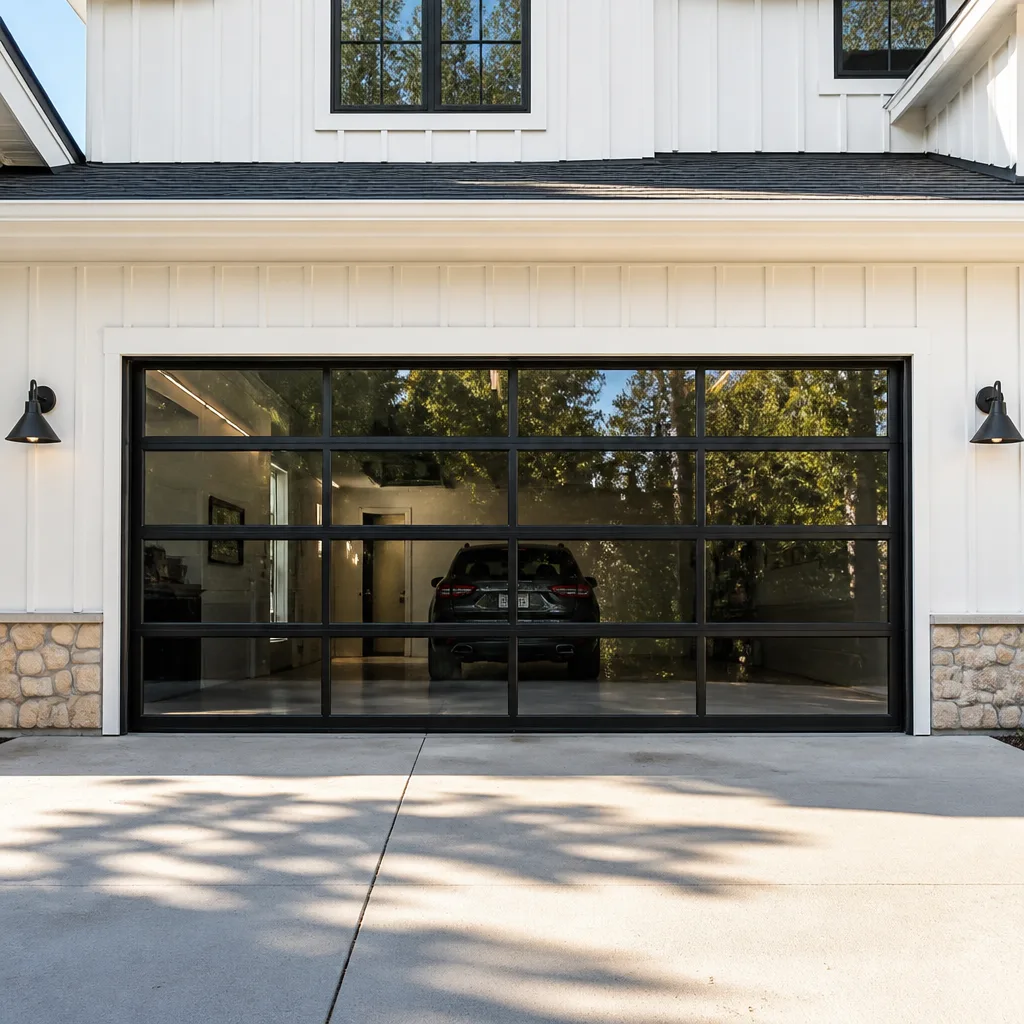 Full-view glass
 LiftMaster openers
 Chamberlain openers
Full 25-point door and opener safety check with every visit - springs, cables, rollers, tracks, and your LiftMaster or Chamberlain opener included
You get a price before we start. It does not change when the truck arrives.
Get your free estimateThe Complete Garage Door Repair Guide for Temecula Homeowners
Most Garage Door Repair advice you’ll find online was written for a generic American suburb, somewhere with mild summers and predictable weather. Temecula is not that place. Our summer highs regularly push past 105°F, the Santa Ana winds blow through the valley in the fall, and the stucco-heavy tract homes across Wine Country absorb and radiate heat in ways that directly affect the metal components hanging above your car. If you live in Temecula and your door is acting up, the fix that works in San Diego or Orange County might not be the fix that lasts here. This guide covers what actually breaks, why it breaks faster in this climate, and how to get it handled without a return visit.
We’re Old Glory Garage Door home, and we’ve worked on thousands of doors across Temecula. This is what we tell neighbors when they ask what’s wrong with their door.
Quick Answer
Garage door repair in Temecula typically costs between $150 and $450 for common problems like broken springs, snapped cables, or misaligned tracks, with most repairs completed same day or within 24 hours. For a deeper look at local conditions, see The Complete Guide to Garage Door in Temecula. The heat in this valley shortens the lifespan of torsion springs and rubber seals compared to coastal areas, which means Temecula homeowners should plan for spring replacement every 5 to 7 years rather than the 8 to 10 years manufacturers advertise. Whatever brand is on your door, we know it, and we quote the price before we start any work.
Styles & brands we work with
Table of Contents
- How Temecula’s Heat Actually Damages Your Garage Door
- The Most Common Hardware in Temecula Tract Homes and What Fails First
- What You Can Safely Fix Yourself vs. What Needs a Trained Tech
- The Right Lubrication Schedule for Inland Empire Heat
- Seals, Weatherstripping, and the Santa Ana Factor
- Temecula Permits: What You Need for Repairs vs. Full Replacement
- Documenting Repairs for Home Resale: What Smart Sellers Do
- What to Do When the Door Won’t Open at 7 a.m.
How Temecula’s Heat Actually Damages Your Garage Door
The single biggest reason garage door components fail early in Temecula is thermal expansion. Torsion springs are wound tight and under constant tension. When the temperature swings from our cool 45-degree winter nights to 105-degree August afternoons, the metal expands and contracts daily. Over a few years, that repetitive stress creates microscopic fatigue in the steel that eventually leads to a snap. We regularly see springs break in Redhawk and Harveston homes at the 4 to 6 year mark, well before the manufacturer’s 10,000-cycle rating suggests they should.
Cables are the second casualty. The high-tension cables that run along each side of the door are coated steel, but the coating degrades faster in dry heat. Once the coating cracks, moisture from our occasional winter rains gets in and rust starts working from the inside. A cable that looks fine from the outside can be a few strands from snapping. When it does snap, the door slams down unevenly and often bends the track in the process.
Here’s what heat does to each major component in a Temecula garage:
- Torsion springs: Heat fatigue shortens lifespan to roughly 5-7 years, not the 8-10 coastal homeowners get
- Rubber seals and weatherstripping: UV exposure plus 100+ degree heat causes cracking and brittleness within 2-3 seasons
- Rollers: Nylon rollers hold up, but cheap plastic rollers warp and wobble in extreme heat, causing the door to shimmy
- Opener logic boards: The garage can hit 120°F or higher in summer, which overheats and kills older opener circuit boards faster
- Lubricant: Standard garage door grease thins out at high heat and drips off the hinges, leaving them dry by Labor Day
Knowing your local variables is the difference between a fix that lasts and one that fails by August. When we install or repair a door in Temecula, we account for the heat cycle. That means specific lubricants, specific spring gauges, and specific seal materials. It’s not marketing. It’s mechanical reality.
The Most Common Hardware in Temecula Tract Homes and What Fails First
Drive through Harveston, Redhawk, Wolf Creek, or Morgan Hill and look at the garage doors. The pattern is consistent. Most homes built in these developments came with one of three door types: a 16×7-foot steel raised-panel door from Clopay or Amarr, paired with a builder-grade opener from Chamberlain or Genie. These are solid doors, but the opener is usually the weak link.
Builders install what’s cheapest, not what lasts. The average builder-grade opener in a Temecula tract home is rated for 6 to 8 years of service. In our climate, you’re lucky to get 6. The plastic gears inside those openers strip, the logic boards overheat, and the travel limits drift until the door reverses mid-cycle or refuses to close without holding the wall button.
What we see most often, by neighborhood and door type:
- Harveston (built early 2000s-2010s): Original torsion springs on their last legs, nylon rollers worn flat on one side, and Chamberlain openers with stripped drive gears
- Redhawk (late 1990s-2000s): Wood-panel and steel doors with rusted bottom panels, sagging single-panel sections, and Genie screw-drive openers that are no longer worth repairing
- Wolf Creek (2010s-current): Newer builds but the same builder-grade openers failing early, plus weatherstripping that’s already cracking from sun exposure
The pattern is this: doors usually outlast openers by a decade, and springs fail before either. If you bought a resale home in Temecula and the door is original, plan on a spring replacement inside your first two years of ownership. It’s the most predictable repair in this town.
Whatever brand is on your door, we service it. That includes Amarr, Clopay, Chamberlain, and Genie, plus Wayne Dalton, LiftMaster, Craftsman, and Raynor. You don’t need to know the model before you call. We identify it on site.
What You Can Safely Fix Yourself vs. What Needs a Trained Tech
There’s a lot of online advice that says call a professional for everything. That’s liability padding, not honest guidance. For a realistic breakdown, read DIY vs Professional Garage Door: The Temecula Homeowner’s Decision Guide. There are a handful of maintenance tasks any homeowner can handle with a wrench and some common sense. And there are a handful of repairs that genuinely need a trained tech because the consequences of a mistake land on you, not the door.
Safe to do yourself:
- Lubricating hinges, rollers, and springs: Use a garage-door-specific spray or white lithium grease. Wipe off excess. Takes 10 minutes.
- Tightening loose bolts and lag screws: Doors vibrate and hardware loosens. A socket wrench on the track brackets and hinge bolts prevents bigger issues.
- Replacing the weatherstripping on the bottom of the door: It slides out of the retaining channel on most doors. The replacement strip costs about $20-40 at a hardware store.
- Testing and adjusting the safety sensor alignment: Sensors get bumped. If the small lights on each side aren’t solid, gently bend the bracket until they align. Do not force them.
- Cleaning the photo eye lenses: Dust from Santa Ana winds and general desert conditions coats the lenses. A dry cloth fixes most false reversal issues.
Do not attempt these yourself:
- Torsion spring replacement: These springs are wound under hundreds of pounds of pressure. A slip can sever fingers, break bones, or worse. Even techs treat these with serious respect. Call us.
- Cable replacement: The cables run alongside the springs and carry the same tension load. If a cable is frayed or snapped, the door is a loaded weapon waiting to release. Call us.
- Track repair or replacement: If the track is bent, the door is off its geometry. Forcing it closed will damage panels, rollers, and possibly the opener. Call us.
- Opener circuit board replacement: Unless you’re comfortable with wiring diagrams and live voltage, the risk of frying the board or shocking yourself isn’t worth saving $100. Call us.
The honest line between DIY and professional work is tension and electricity. Anything involving wound springs, high-tension cables, or live wiring is professional territory. Anything involving lubrication, alignment, and seals is fair game. If you’re not sure, call us at (877) 522-1085 and we’ll tell you straight whether it’s worth a service call or something you can handle in five minutes.
The Right Lubrication Schedule for Inland Empire Heat
A garage door has more moving parts than anything else in your house that gets daily use, and every one of them needs lubrication. The mistake most Temecula homeowners make is using the wrong product, or using the right product too rarely.
WD-40 is not a garage door lubricant. It’s a water displacer and a degreaser. It will strip whatever lubricant is already there and leave the metal dry. Dry metal grinds. Grinding ruins rollers and hinges. Use a garage-door-specific spray like Blaster Garage Door Lubricant or 3-IN-ONE Garage Door Lube, or a clean white lithium grease. These are formulated to stick through heat cycles without dripping off or gumming up with desert dust.
Follow this schedule for a door that runs quiet and lasts:
- Every 3 months (March, June, September, December): Spray the hinges, the roller stems (not the wheels themselves, just where the roller meets the hinge), and the torsion spring. A light coat is enough.
- Every 6 months: Wipe down the tracks with a dry cloth to remove dust and grit buildup. Do not grease the tracks. Greasy tracks attract dust and cause the rollers to slip or drag.
- Every 12 months: Apply a silicone-based lubricant to the weatherstripping where it contacts the concrete. This keeps it flexible and prevents cracking.
- After every Santa Ana wind event: Blow out the tracks and photo eye lenses with compressed air or a leaf blower. The wind pushes fine dust into every crevice.
In our experience, a door that’s lubricated on this schedule runs noticeably quieter and the rollers last 2-3 years longer than a neglected one. It’s the cheapest insurance on the whole house.
Seals, Weatherstripping, and the Santa Ana Factor
The rubber weatherstripping along the bottom of your garage door does more than keep leaves out. It keeps dust out, and in Temecula, dust is a constant. When the Santa Anas kick up in October and November, the fine dust from the surrounding hills and the Horse Creek area blows through every gap it can find. If your bottom seal is cracked or compressed flat, that dust ends up coating everything in your garage, including the tracks and the photo eyes that keep your door operating safely.
The bottom seal is a sacrificial part. It wears out from the door’s weight pressing down on it, from UV exposure, and from the temperature swings between night and day. A seal that’s hard, cracked, or showing daylight under the door is done. Replacing it is a $20-40 DIY job on most doors, or a quick add-on if we’re already out for another repair.
Check the side and top seals too. These are the vinyl strips attached to the door jamb. When they shrink or crack, you’ll see light around the edges of the closed door. That’s not just a dust problem. It’s an energy problem. A gap around a garage door lets conditioned air out in summer and cold air in during our winter nights. For homes with a living space above the garage, like many two-story tract homes in Temecula, a failed top seal makes the upstairs bedroom noticeably warmer.
Replace the bottom seal every 2-3 years in this climate. Replace side and top seals every 5-7 years. If you’re noticing a persistent dust coating on your car inside the garage, your seals are the likely culprit.
Temecula Permits: What You Need for Repairs vs. Full Replacement
Here’s a practical distinction most guides skip: in Temecula, a repair does not require a city permit. A full door replacement might, depending on the scope.
Under Temecula’s municipal code, repair work means restoring the existing door to its original function: replacing a broken spring, swapping out a snapped cable, installing a new opener on the existing door, replacing panels or rollers. None of that triggers a permit requirement. It’s classified as routine maintenance.
A full garage door installation in Temecula is different. If you’re changing the size of the opening, altering the structural header, or replacing the entire door assembly including new framing, the city may require a building permit. The threshold is structural alteration. A straight swap of a 16×7 for a new 16×7 in the same opening typically does not require a permit, but if you’re widening the opening, adding a second door, or making structural changes to the garage face, you’ll need to file with the city’s Building and Safety Division.
Our general guidance for Temecula homeowners:
- Spring, cable, roller, hinge, or opener repair: No permit needed. Schedule it and be done.
- Same-size door replacement: Usually no permit needed, but confirm with the city if you’re in an HOA like Harveston or Redhawk where architectural review may apply.
- Structural changes to the opening: Permit required. Plan for city review time.
HOA rules are a separate layer. Most Temecula communities have architectural guidelines that cover door color, material, and even window placement in door panels. If you’re replacing a door and you have an HOA, check the CC&Rs before you commit to a style. We can tell you what’s typically approved in each community, but the final word is always the HOA board.
Documenting Repairs for Home Resale: What Smart Sellers Do
California requires sellers to disclose known material defects on the Transfer Disclosure Statement. A garage door repair history is part of that disclosure, but here’s what most sellers do wrong: they document that a repair happened without documenting what was repaired and by whom. That leaves the buyer’s inspector guessing, and a vague “garage door was fixed in 2022” is a red flag that can delay a sale.
If you’re planning to sell a Temecula home in the next 2-3 years, start a simple garage door file. Include:
- Every invoice or receipt from any door or opener repair, with the date, the specific parts replaced, and the company name
- The brand and approximate age of the door and opener, if known
- Notes on any recurring issues, like a door that occasionally reverses or a noisy spring that was replaced
- A photo of the door and opener dated at the time of each repair
Why this matters: a buyer’s home inspector will operate the door several times and may flag anything from slow response to a slight imbalance. An organized repair file shows the door has been maintained, not neglected. In a competitive market like Temecula, where multiple offers are common, that documentation can make the difference between a clean close and a repair credit negotiation.
If you’re buying a home here, ask the seller for the same file. No file? Have the door and opener inspected by a specialist as part of your due diligence. A $100 inspection can save you a $400 spring replacement three months after you move in.
What to Do When the Door Won’t Open at 7 a.m.
It’s always the worst timing. You’re heading to work, you hit the opener, and the door either doesn’t respond or makes a sound like a gunshot and doesn’t move. Here’s the sequence we walk homeowners through when they call us from a Temecula driveway:
- Confirm the door is fully down. If a spring snapped while the door was up, the door may have slammed down and bent the track. Do not attempt to lift it.
- If the door is down and the opener is running but nothing moves, pull the red emergency release cord. This disconnects the opener from the door. Try lifting the door manually by the handle. If it’s extremely heavy or won’t stay up, the springs have failed. Close it manually and leave it closed.
- If the door won’t open with the opener but lifts freely by hand, the problem is in the opener, not the door. That’s an opener repair, and you can leave the door closed and drive another vehicle if needed.
- If the door opens a few inches and reverses, check the photo eyes. Dust from the Santa Anas may have coated one. Wipe both lenses and test again. If it still reverses, there’s a force-limit or sensor alignment issue.
- Call us. We answer during business hours and can often get someone out same day for a spring or cable failure. The phone number is (877) 522-1085.
Never try to force a garage door open or closed when a spring or cable has broken. The door weighs 150-250 pounds, and without working springs, you’re fighting that weight alone. More than one homeowner has thrown out their back or crushed a finger doing exactly that.
Common Mistakes to Avoid
- Ignoring a noisy door for months. A squealing or grinding noise is a moving part failing. What starts as a $20 roller replacement becomes a $200 track repair after enough neglect.
- Using WD-40 as a lubricant. It strips existing lube and attracts dust. Use a garage-door-specific product. The difference is immediate in how the door sounds.
- Winding a torsion spring without the right tools and training. This is the most dangerous mistake on this list. People have lost fingers, eyes, and worse. Springs are never a DIY job.
- Replacing an opener without addressing the door itself. A new opener on a door with tired springs and flat rollers will wear out the opener prematurely. Diagnose the whole system, not just the symptom.
- Skipping the HOA review on a visible door change in Temecula tract communities. Harveston, Redhawk, Wolf Creek, and most newer developments have design standards. A door that violates them can cost you a fine and a redo.
- Waiting until the spring snaps to call someone. Springs don’t fail silently. A door that feels heavy or bounces when opening is a warning sign. In this heat, an aging spring is a monthly risk, not a yearly one.
- Assuming all garage door companies work on all brands. Many big-box installers only service the brands they sell. Ask before you book. We work on all eight major residential brands.
See the difference
 Before
 After
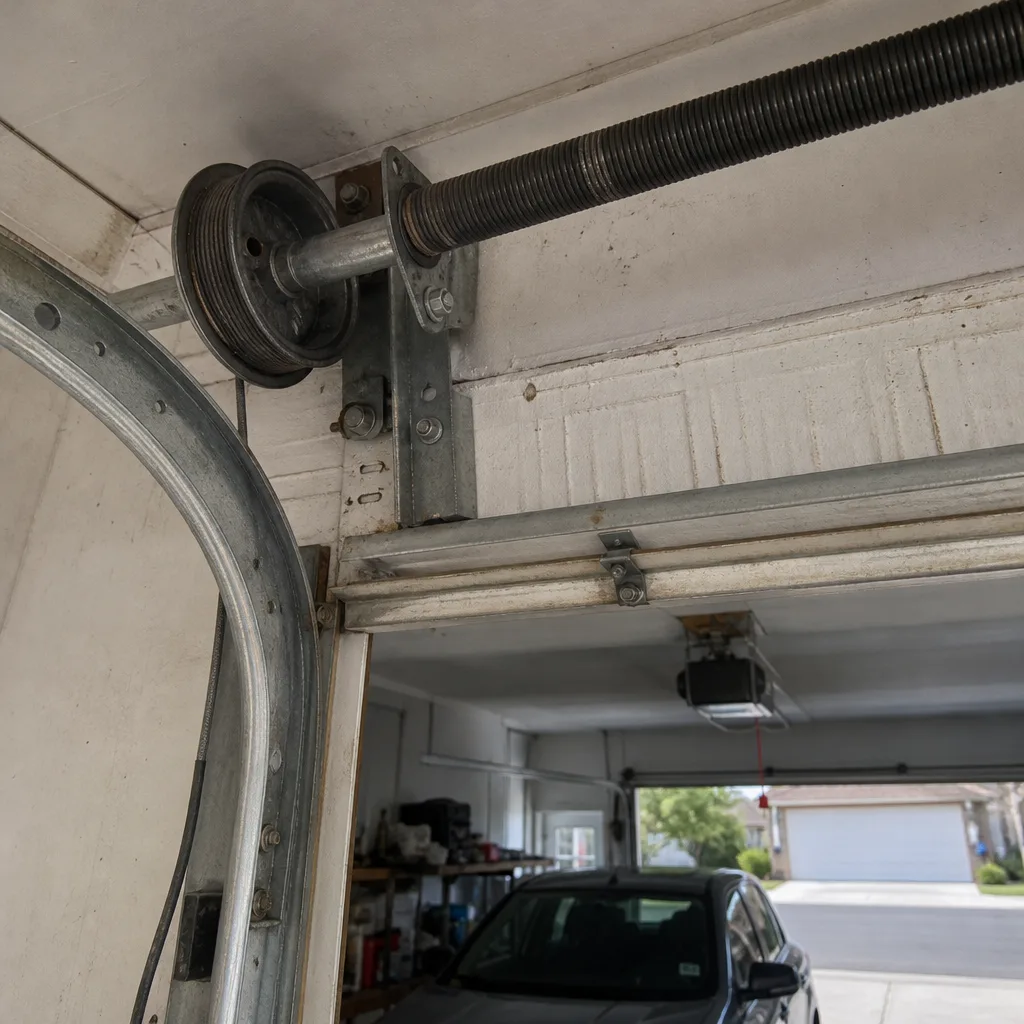 Before
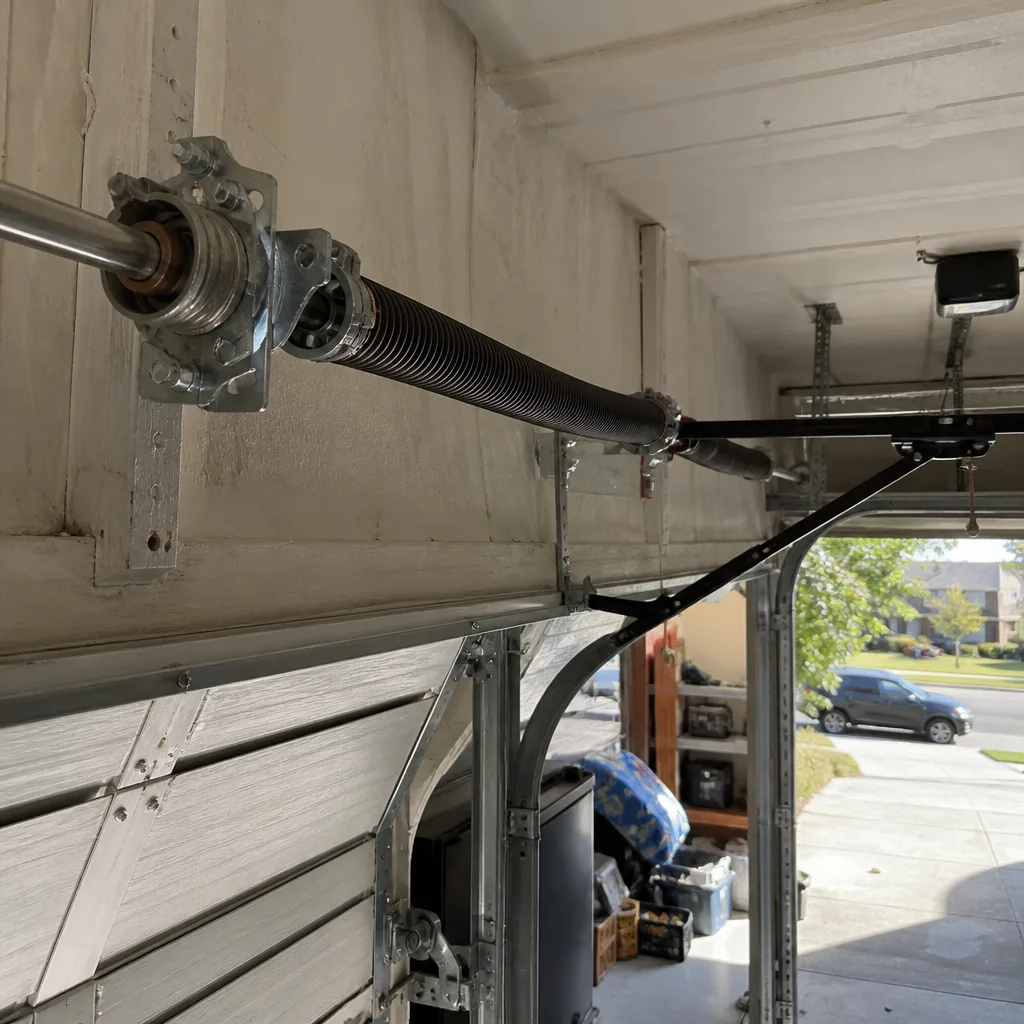 After
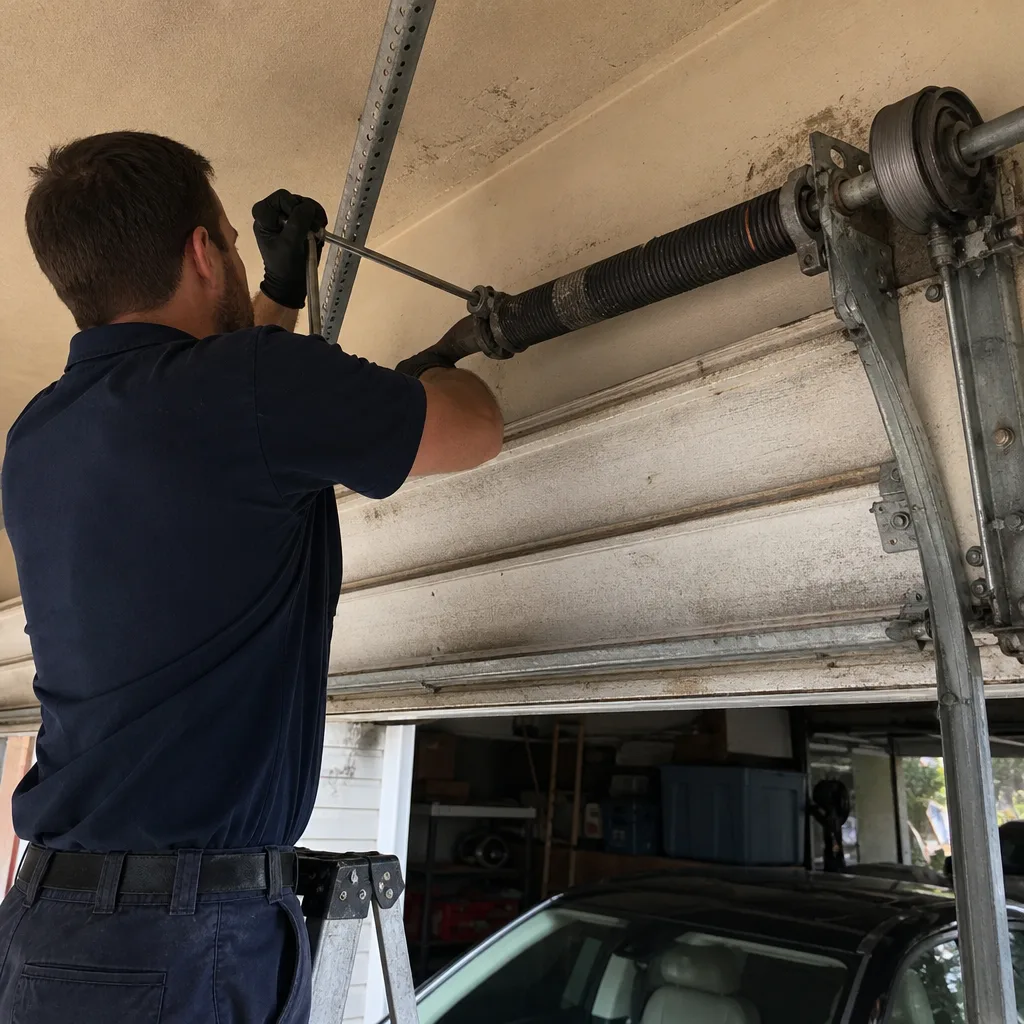 Before
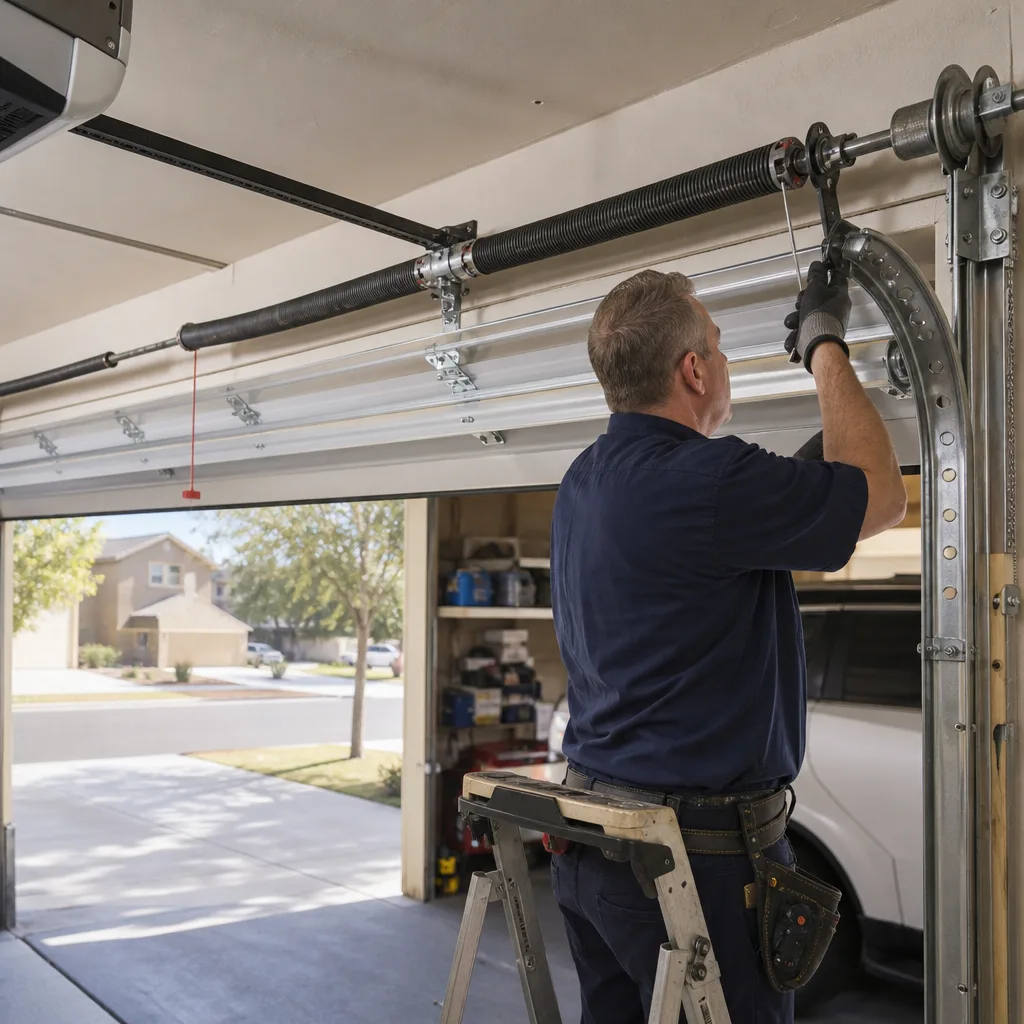 After
When to Call a Professional
Call a professional when the problem involves wound springs, high-tension cables, bent tracks, or wiring you don’t fully understand. Call when the door is heavy, unbalanced, or refusing to close reliably. Call when you’ve tried the simple fixes and the problem persists. A specialist sees a door system all at once, not one part at a time, and that’s the difference between one visit and three.
Garage door repair in Temecula is what we do every day. We’re not a generalist handyman service. Every technician at Old Glory Garage Door works on garage doors exclusively, across all eight major residential brands. Straight answers, fair price, done right. If your opener is the issue, we handle garage door opener repair in Temecula too. Old Glory Garage Door offers free estimates in Temecula, call (877) 522-1085.
Frequently Asked Questions
Most garage door repairs in Temecula run between $150 and $450 depending on the part and the door type. A roller replacement is on the lower end, a torsion spring replacement is typically $200-$350, and a full cable re-string with track realignment can reach $450. The price is always quoted and agreed before any work starts, so there’s no surprise on the invoice. Call (877) 522-1085 for an exact quote, estimates are free.
In Temecula, expect 5 to 7 years from an average torsion spring, compared to 8 to 10 years in coastal California. The daily temperature swings between our cool nights and 100+ degree summer days fatigue the spring steel faster. If your door is over 5 years old and the springs haven’t been replaced, they’re on borrowed time. A door that feels heavy or bounces when opening is the warning sign.
For spring and cable failures, yes, same-day service is usually available. We carry the common spring sizes and cable lengths on the truck, so we don’t need to order parts and come back. More involved repairs, like a full Garage Door Repair in Temecula with track replacement, may take 24-48 hours. Call (877) 522-1085 in the morning and we’ll tell you straight when we can be there.
For a same-size door replacement in the existing opening, no permit is typically required in Temecula. For structural changes to the opening, like widening or adding a second door, the city requires a building permit. HOA communities like Harveston and Redhawk may also require architectural review before a visible change. We can walk you through what applies to your specific situation.
Your garage can reach 120°F or higher during Temecula’s summer afternoons, and older opener logic boards fail under that sustained heat. The motor’s thermal overload switch trips and the opener shuts down until it cools. If this happens regularly, the opener is either undersized for the heat or reaching the end of its service life. A newer opener with a DC motor runs cooler and handles the heat better. Call us at (877) 522-1085 to diagnose whether the problem is the opener, the door load, or both.
Most tract homes in Temecula were built with Clopay or Amarr steel raised-panel doors, paired with Chamberlain or Genie openers. In older communities like Redhawk, the doors are still mostly original, which means the springs and rollers are overdue. In newer communities like Wolf Creek, the doors are newer but the builder-grade openers are already failing. We service all eight major residential brands, so whatever is on your door, we know it.
The Bottom Line
Temecula’s heat does to garage doors what the ocean does to coastal properties, just faster and less visibly. For more guides & resources, explore our blog. Springs fail earlier, seals crack sooner, and openers overheat when the garage hits 120 degrees. Knowing that means you can maintain the door before it breaks and make smart decisions when it does. Most repairs are straightforward and priced up front. The dangerous parts are never DIY. Document what you fix for resale, keep the door lubricated on a schedule, and call a specialist who works on every brand, not just the one they sell. One call covers it all: (877) 522-1085.
Written by the team at Old Glory Garage Door, serving Temecula since 2014.