
Last updated October 30, 2026
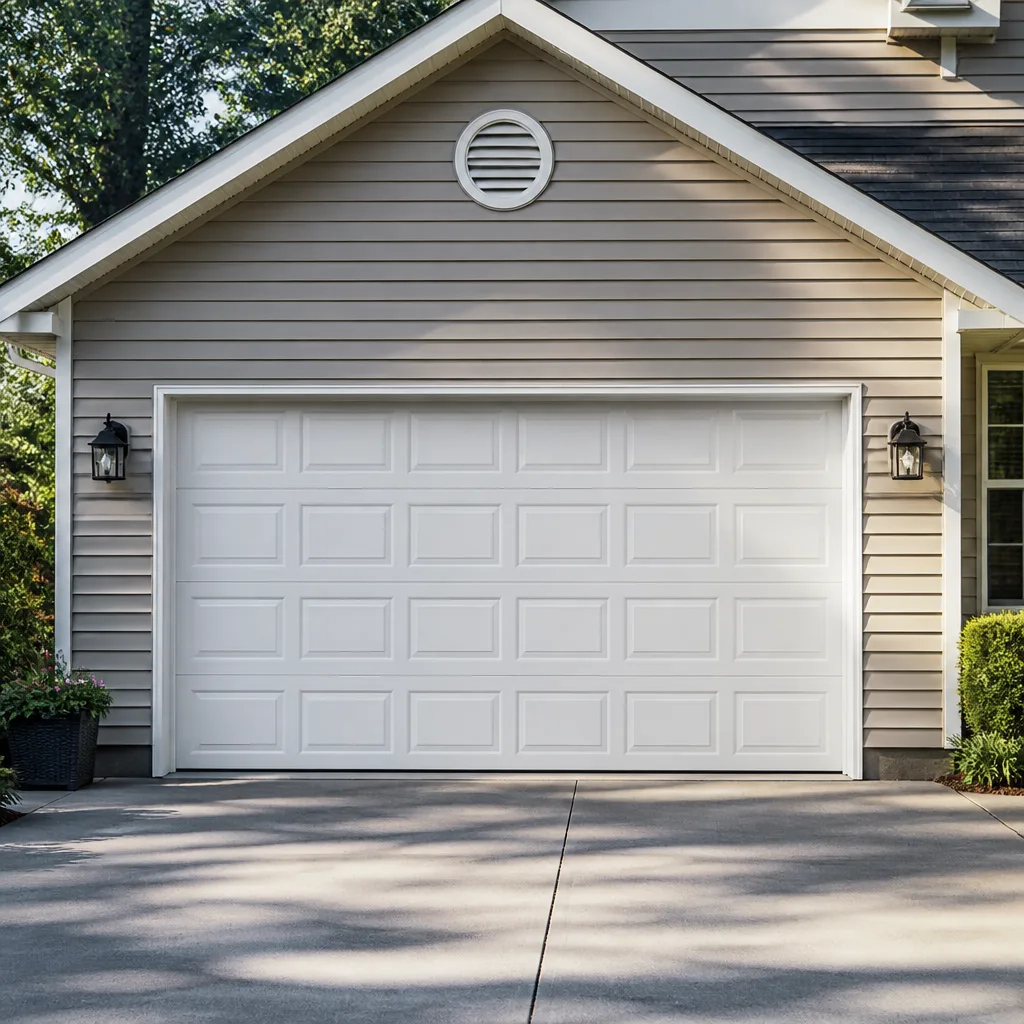 Raised-panel steel
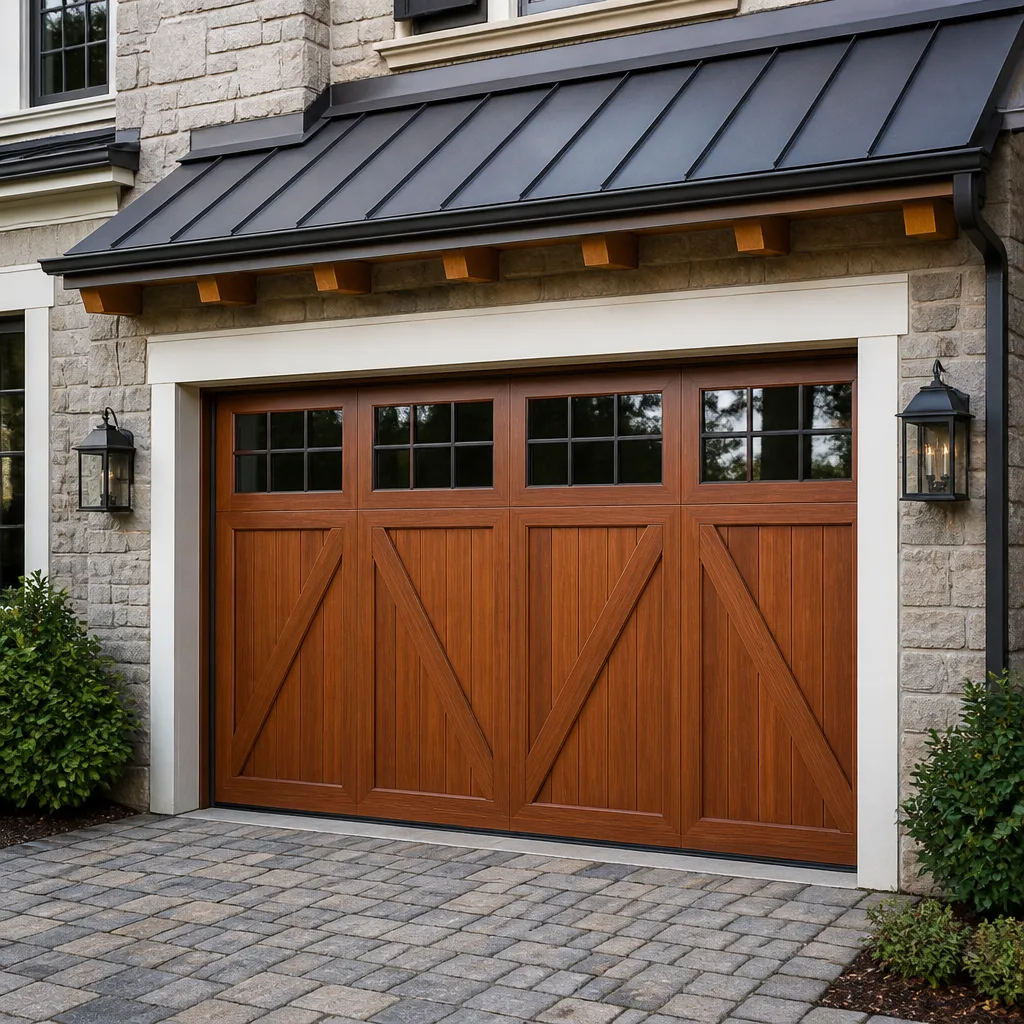 Carriage house
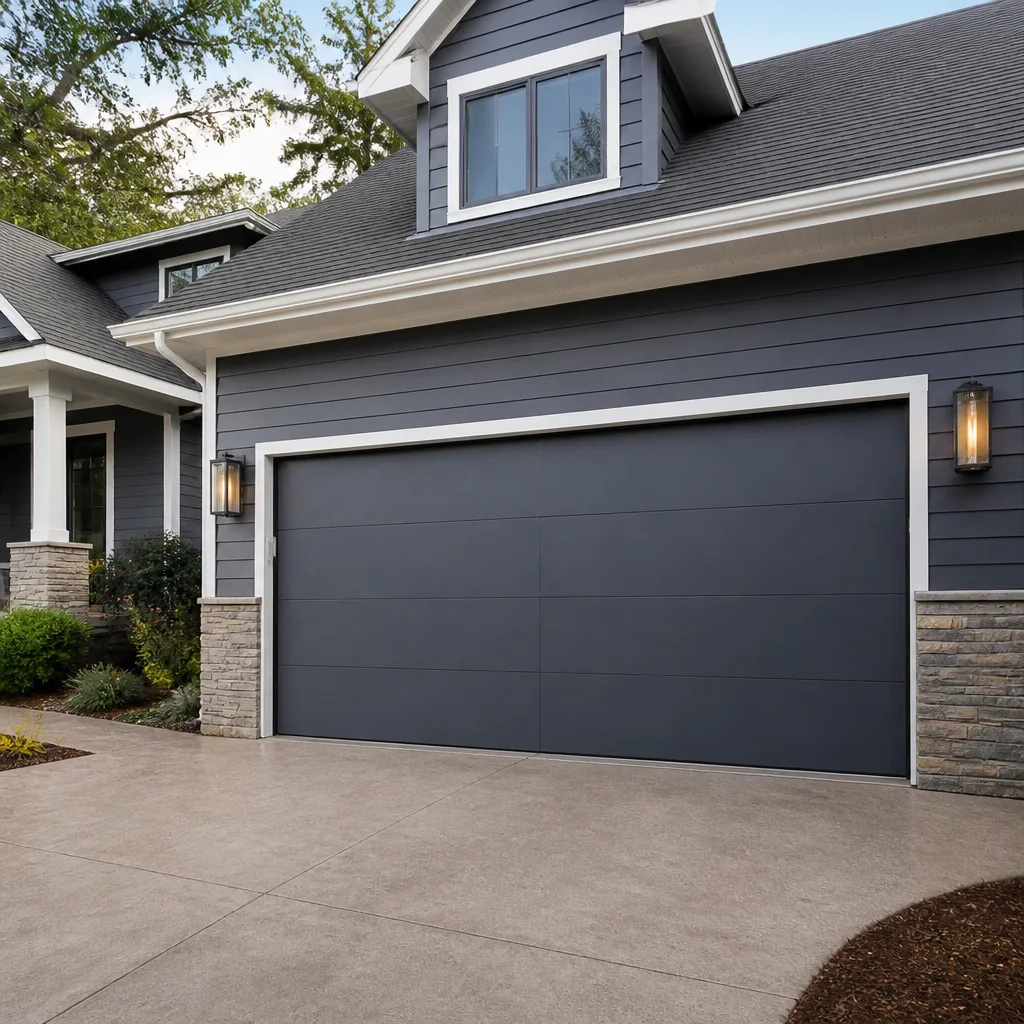 Modern flush
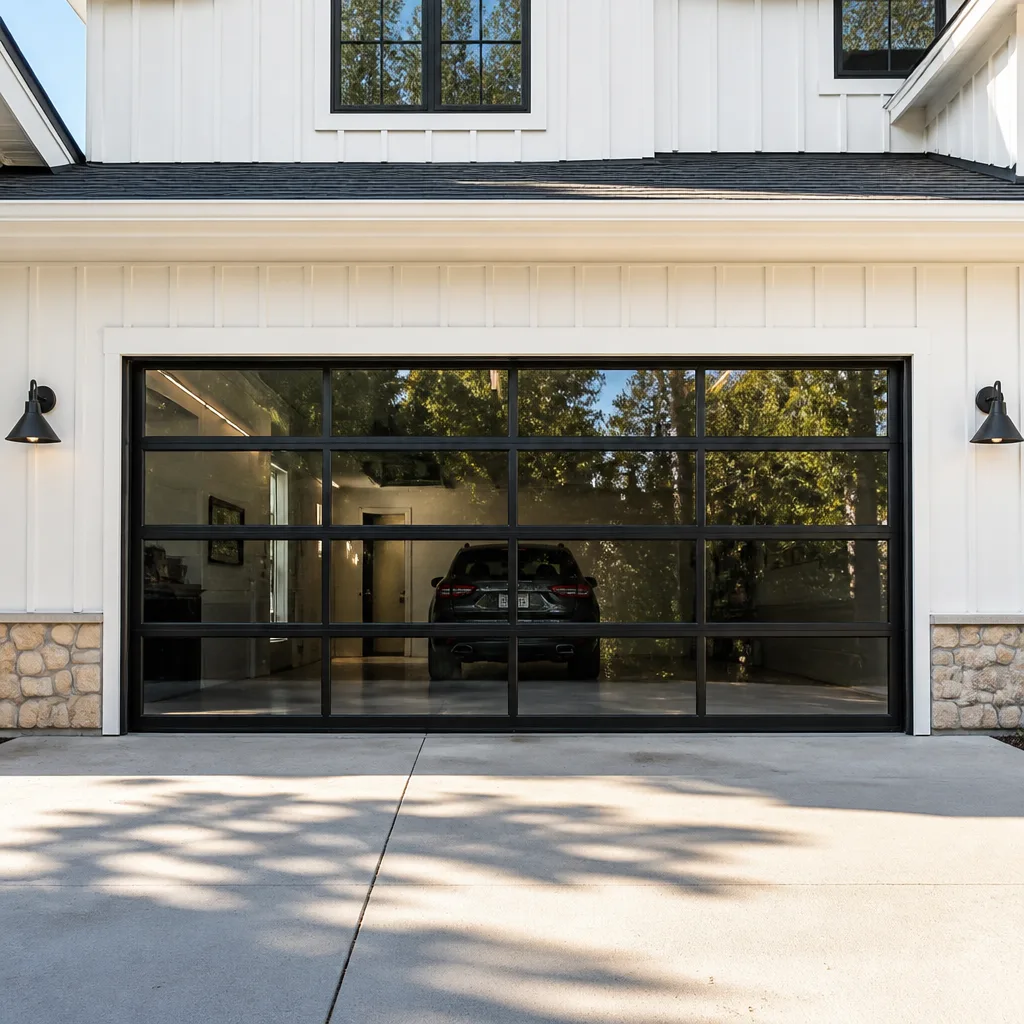 Full-view glass
 LiftMaster openers
 Chamberlain openers
Full 25-point door and opener safety check with every visit - springs, cables, rollers, tracks, and your LiftMaster or Chamberlain opener included
You get a price before we start. It does not change when the truck arrives.
Get your free estimateThe Complete Guide to Garage Door in Temecula
Here’s something most Temecula homeowners don’t realize until it’s too late: your garage door is the largest moving object in your entire house, and it cycles more than 1,500 times a year. That’s a lot of mechanical stress on springs, cables, and rollers even in a mild climate. But Temecula isn’t mild. Our inland valley regularly sees summer highs above 100°F and winter nights that dip into the 30s, and that 70-degree swing does things to metal fatigue that coastal homeowners in San Diego or Orange County never have to think about. This guide explains what actually goes wrong, why it goes wrong here specifically, and what you can do about it before a spring lets go at 6:45 on a Monday morning. For more guides & resources, visit our blog.
Quick Answer
A garage door in Temecula is best understood as one integrated system: two or four springs counterbalance the door’s entire weight, cables keep that tension controlled, tracks guide the panels, and the opener does only the lightest work. In Temecula’s inland valley climate, heat cycling causes springs to fatigue faster than in coastal SoCal, and the best maintenance move is an annual system audit with a professional who knows which brands are common in Temecula’s housing stock. If your door is heavy, loud, crooked, or slow to respond, the cheapest fix is always the one you make before a full failure. For Temecula homeowners, repairing or replacing a door is usually a same-week decision with free estimates available from local specialists like Old Glory Garage Door home.
Styles & brands we work with
Table of Contents
- How a Garage Door Actually Works: The Five-Component System
- Why Temecula’s Climate Kills Springs Faster Than Coastal SoCal
- Door Styles and Materials You’ll See in Temecula Neighborhoods
- Navigating HOA Requirements in Temecula Master-Planned Communities
- The 10-Minute System Audit Every Temecula Homeowner Should Do
- Brand-Agnostic Guide to Openers and Doors in Temecula Homes
- Repair vs. Replace: How to Decide in 2025
- What Garage Door Work Actually Costs in Temecula
How a Garage Door Actually Works: The Five-Component System
Most people think a garage door opener does the heavy lifting. It doesn’t. The opener is just a motor that guides the door along a track. The real work, about 90 percent of the door’s weight, is handled by the spring system. In Temecula, where we see single-family homes built from the late 1980s through today’s new construction, almost every residential door uses one of two spring configurations: torsion springs mounted above the closed door, or extension springs along the upper side tracks. Torsion springs dominate in newer Temecula homes because they’re safer and longer-lived.
Here’s the full system, in the order failures actually happen:
- Torsion springs: Mounted on a steel shaft above the door opening, wound tight to store the mechanical energy that counterbalances the door’s weight. A standard residential torsion spring is rated for 10,000 cycles, which sounds impressive until you do the math: at four cycles a day, that’s just under seven years. In Temecula’s heat, we see failures earlier than that.
- Cables: Attached to the bottom brackets and wound around drums at the top. When a spring breaks, the cable on that side can snap, whip, or fray. A frayed cable is a five-alarm warning sign and a serious injury risk.
- Tracks and rollers: Steel or nylon rollers ride inside galvanized tracks. Temecula’s fine dust from dry summers gets into roller bearings and causes grinding. Not urgent, but noisy.
- Panels and hinges: The thing you see. In Temecula’s newer communities like Harveston and Wolf Creek, most doors are insulated steel or composite. Panels rarely fail on their own; they fail because a hinge broke and the panel twisted, or because a car backed into the door.
- The opener: Either a chain-drive, belt-drive, or wall-mounted jackshaft unit. LiftMaster and Chamberlain are the two brands we see most in Temecula garages, along with plenty of Genies in older homes.
The point: when one component fails, it almost always stresses the others. A weak spring makes the opener work harder. A worn roller makes the spring cycle unevenly. We tell Temecula homeowners to think of the door as a system, because fixing only the part that broke is how you end up with a second service call three months later.
Why Temecula’s Climate Kills Springs Faster Than Coastal SoCal
Spring steel degrades through repeated stress cycles, and temperature variation is a multiplier on that stress. Coastal cities like Carlsbad or Dana Point narrow their daily temperature range to maybe 20 or 30 degrees year-round. Temecula’s inland valley regularly swings 40 to 50 degrees in a single day during spring and fall, and the summer peaks over 105°F push the steel’s thermal expansion right up against the design limits of a 2010-era residential spring. We see spring failures in Redhawk and Paseo del Sol every June through September, right when people use their doors most.
Cold is less of a factor here than in the high desert, but late-fall overnight lows in the 30s cause the spring’s steel to contract, and any micro-fractures from the summer’s heat become weak points. The result: Temecula springs often break when the door is closed, not when it’s opening. That’s why you come out to a door that won’t lift at all.
What this means practically:
- Expect a torsion spring lifespan of 5 to 7 years in Temecula, not the 10 to 12 years manufacturers quote for mild climates.
- Lubricate springs and rollers with a silicone-based garage door lubricant twice a year once in late spring before the heat, once in fall after the first cold snap. Dry steel plus Temecula summer dust is a bad combination.
- Listen for a loud bang in the garage that sounds like a gunshot. That’s a torsion spring breaking, and it’s the most common failure we get called for in Temecula between June and October.
Spring repair is not a DIY job. A torsion spring under tension stores enough energy to remove fingers or worse. If you suspect a spring issue, call a specialist. Temecula homeowners can get a same-week inspection and a firm quote before any work begins.
Door Styles and Materials You’ll See in Temecula Neighborhoods
Temecula’s housing stock tells a specific story, and your garage door is part of it. The city grew in waves: ranchette properties and older single-family homes from the 1970s and 1980s near Old Town, then master-planned communities built from the 1990s through today in Harveston, Redhawk, Wolf Creek, Sommers Bend, and Paseo del Sol. Each era has its own common door type.
1980s and 1990s homes (Rancho Temecula, Paloma del Sol, Vintage Hills): You’ll see a lot of raised-panel steel doors, often original to the house and now 25 to 35 years old. Many are non-insulated, and many have extension springs. These are the doors we most often replace outright, because the panels have rusted at the bottom edge from lawn sprinklers and the springs are long past their rated cycles.
2000s homes (Redhawk, Harveston, Wolf Creek): The HOA construction boom era. Most of these doors are insulated steel with decorative window inserts at the top panel. Wayne Dalton and Clopay are common on these builds, and many homeowners have since swapped in Amarr or Raynor doors. The insulation is a big deal in Temecula: a west-facing garage door in Harveston can turn the garage into a 120-degree oven by 4 p.m. in August without proper insulation.
New construction (Sommers Bend, parts of Wolf Creek, master-planned build-outs): Current builds favor insulated composite doors with modern panel profiles: flush, ribbed, or grooved styles. Color trends have shifted from white and almond to charcoal, bronze, and dark wood-grain finishes. Craftsman-style doors and carriage-house details are everywhere in new Temecula communities.
Which materials age best in Temecula? From our experience, insulated steel with a factory-applied finish holds up best against our UV exposure. Uninsulated aluminum doors dent easily and conduct heat. Wood doors look beautiful but require annual sealing, and Temecula’s dry summers plus winter rain mean real maintenance. If you’re replacing a door in Temecula, ask about insulation value, not just looks – your garage is often the largest uninsulated wall of your house.
Navigating HOA Requirements in Temecula Master-Planned Communities
This is where Temecula differs sharply from older Inland Empire cities. A huge percentage of Temecula homes fall under HOA governance, and many covenants, conditions, and restrictions (CC&Rs) include language about garage doors. We’ve walked homeowners through enough Redhawk and Harveston replacements to know what triggers a violation letter: changing the door color, changing the panel style, adding windows where the original door had none, or switching from a sectional door to a carriage-style door without approval.
Before you pick out a new Amarr or Raynor door, take these three steps:
- Find your HOA’s architectural guidelines. Most Temecula HOAs post them in their online resident portal. Look for the section on exterior modifications, which usually includes specific language on garage doors.
- Submit an architectural review request before you buy. Some HOAs require a door sample photo, manufacturer, color chart, and even the R-value if you’re changing insulation. In our experience, Harveston and Wolf Creek are among the more detail-oriented HOAs in Temecula on this front.
- Keep the existing door profile if the HOA is strict. If your community requires a specific panel style, you can still upgrade the material and insulation while matching the approved look. We regularly install insulated doors in approved styles for HOAs that reject anything that would alter the streetscape.
One more consideration: many Temecula HOAs also regulate how long a garage door can remain open or in disrepair. A broken door that won’t close is not just a security issue; in some communities it’s a covenant violation with daily fines. That’s a strong argument for same-week repair rather than letting a broken door sit.
The 10-Minute System Audit Every Temecula Homeowner Should Do
You don’t need to be a mechanic to catch developing garage door problems early. Twice a year, at a minimum, run through this audit. It takes less than ten minutes and can prevent the most common Temecula door failures from becoming emergencies. For what to do when they do happen, see our Garage Door Emergency Preparedness Guide for Temecula Homes.
- Disconnect the opener. Pull the red emergency release handle to detach the opener from the door. Then lift the door manually by its bottom handle. A properly balanced door should lift smoothly with one hand and stay open at waist height without support. If it drops or slams shut, your springs are failing. This is the single most revealing test you can do.
- Listen for grinding or squealing. Run the door up and down in normal operation. A smooth open and close is the goal. Grinding usually means roller bearings. Squealing is often spring friction. A rattling chain drive is an opener adjustment issue.
- Inspect the cables. Look at both sides of the door where the cables run from the bottom brackets up to the drums near the top. Frayed wire, rust spots, or a cable end that’s pulling out of the bracket means call a pro before you operate the door again.
- Check the weatherstrip. Temecula gets wind-driven dust and occasional heavy rain. The vinyl seal along the bottom of the door should be flat and continuous. If it’s cracked or missing a chunk, you’re inviting in dust, pests, and summer heat.
- Test the auto-reverse safety sensors. Place a roll of paper towels in the door’s path, close the door, and verify the door reverses when it hits the obstacle. These photoelectric eyes are a federal safety requirement, and in homes with kids or pets, this is non-negotiable.
- Look at the tracks. Vertical tracks should be plumb, horizontal tracks level. If you see a visible gap between the rollers and the track, or the track is bowed, something structural has shifted.
If the audit turns up anything concerning, or if you’d rather have a trained eye do it, Garage Door Repair in Temecula includes a full system inspection, not just a quick look at the broken part.
Brand-Agnostic Guide to Openers and Doors in Temecula Homes
One of the most common questions we get: “Do you work on my brand?” The answer is yes, whatever it is. We service LiftMaster, Chamberlain, Genie, Clopay, Amarr, Wayne Dalton, Craftsman, and Raynor, which covers virtually every door and opener a Temecula homeowner is likely to have. Most big-box installers push one brand because that’s what their margin structure supports. We don’t work that way.
Here’s the brand-agnostic reality in Temecula garages, in our experience:
- LiftMaster openers are everywhere in Temecula. They’re the dealer-grade cousin of Chamberlain, common in homes built after 2005. Wall-mounted jackshaft LiftMasters are popular in newer Temecula homes with high ceilings and car lifts.
- Chamberlain openers are basically the retail version of LiftMaster and very common in 1990s and 2000s homes. MyQ smart features have made them the default for homeowners who want phone control.
- Genie openers show up more often in 1980s and early 1990s Temecula homes, and their older screw-drive units are noisy but built to last. Many Genies in Temecula are original to the house and running on borrowed time.
- Clopay and Wayne Dalton doors are the two door manufacturers we see most on 1990s and 2000s builds in Redhawk, Harveston, and Wolf Creek. Both make good doors, and both have weak points that a trained eye catches.
- Amarr and Raynor doors are common on newer and custom Temecula homes. Both are strong brands, and Raynor is especially popular in Temecula’s rural ranchette areas where homeowners want a heavier commercial-feel door.
- Craftsman openers are the wild card. Sold at Sears for decades, they’re essentially re-badged Chamberlain units, and many 1990s and 2000s Temecula garages still have one.
The important point: the brand name is less important than the condition of the system. A cheap builder-grade door with a broken spring and a dialed-out track is a bad door no matter whose name is on it. Diagnosing across brands is where a focused garage door specialist earns their keep, because the symptom is rarely the root cause.
Repair vs. Replace: How to Decide in 2025
This is the question every Temecula homeowner faces at some point, usually right after a spring fails or a panel gets dented. The answer comes down to math and condition, not sales pressure.
Repair is the right call when:
- Your door is under 15 years old, and the panels are structurally sound.
- The failure is a spring, cable, roller, or opener, and the door itself is still balanced and square.
- The repair cost is under 50 percent of the replacement cost for an equivalent new door.
- The door’s insulated steel construction is still intact and not rusting through.
Replacement is smarter when:
- The door is over 20 years old, and the bottom panels are rusting or water-damaged.
- The door is uninsulated, and your garage faces west or south in Temecula’s summer sun.
- You’ve already replaced springs twice in five years and the operational costs are stacking up.
- Your HOA has flagged the door’s appearance and repair won’t fix that.
- You want smart features, better insulation, or a style change, and the existing door isn’t worth upgrading.
In Temecula specifically, uninsulated doors in west-facing garages are the most common replacement we recommend. The energy difference in August is real, and the comfort difference is immediate. A quality insulated steel door from Amarr or Raynor can drop garage temperatures 15 to 20 degrees on a 100-degree day. For many homeowners, that’s the deciding factor. If you’re on the fence, Garage Door Installation in Temecula always starts with a free quote, no obligation.
What Garage Door Work Actually Costs in Temecula
Straight numbers, no games. For a deeper look at pricing, see our Garage Door Cost Breakdown: The Temecula Homeowner’s Reference for 2026. Here’s what we see in Temecula for typical garage door work in 2025. These are market ranges, not quotes, but they’ll give you a realistic floor and ceiling before you call anyone.
| Service | Typical Temecula Range | Notes |
|---|---|---|
| Torsion spring replacement (single spring) | $180 – $340 | Labor included. Higher end for high-cycle springs. |
| Torsion spring replacement (both springs) | $280 – $520 | Always ask if both springs are the same age. If one broke, the other is likely close behind. |
| Opener repair (logic board, gear, sensor) | $120 – $350 | Parts cost is the wildcard. Newer smart openers cost more to repair. |
| New opener installation | $450 – $900 | Includes labor and the opener unit. Chain drives cost less than belt drives. |
| Roller replacement (set of 10) | $100 – $200 | Nylon rollers run quieter than steel and last longer. |
| Cable replacement (both sides) | $150 – $300 | Often done at the same time as spring replacement. |
| Full door replacement (single car, insulated steel) | $1,400 – $2,800 | Depends heavily on style, insulation, windows, and hardware. |
| Full door replacement (double car, insulated steel, windows) | $2,200 – $4,500 | Custom finishes and carriage-house details push higher. |
Two things about these numbers. First, any reputable company quotes the full price before work begins. You should never see a surprise line item on a garage door invoice in Temecula. Second, the cheapest quote is rarely the best value; a low-bid spring replacement often means a basic 10,000-cycle spring that will fail again in five or six Temecula summers. Ask what cycle rating the replacement spring carries. A 25,000-cycle spring costs more up front and lasts more than twice as long.
Common Mistakes to Avoid
- Resetting the opener instead of checking the spring. A door that won’t open is usually a broken spring, not a confused opener. Reprogramming the opener 14 times won’t fix a spring that let go, and every forced attempt adds wear to the motor.
- Lubricating with WD-40. WD-40 is a solvent, not a lubricant. On garage door springs and rollers, it strips grease and makes things worse. Use a dedicated silicone-based garage door lubricant.
- Replacing one spring when two are worn. If one torsion spring breaks, the other has the same age and cycle count. Replacing only the broken one means another service call soon, and a second labor charge.
- Ignoring a slow-opening door. A door that takes 10 seconds to open and strains against its own weight is telling you the spring is failing. Waiting turns a $250 spring replacement into a $400 repair that includes bent tracks and a damaged opener gear.
- Choosing a door purely on appearance. In Temecula, a beautiful uninsulated door on a west-facing garage is a mistake. Insulation matters more than looks when the garage hits 115 degrees in August.
- Skipping HOA approval for a door replacement. Temecula HOAs have the power to fine you and require you to replace the door a second time. Submit the review before you buy.
- Buying the cheapest opener online and self-installing. Opener installation involves proper safety sensor alignment, force settings, and spring balance interaction. A mis-adjusted opener can damage a healthy door and create a safety hazard.
See the difference
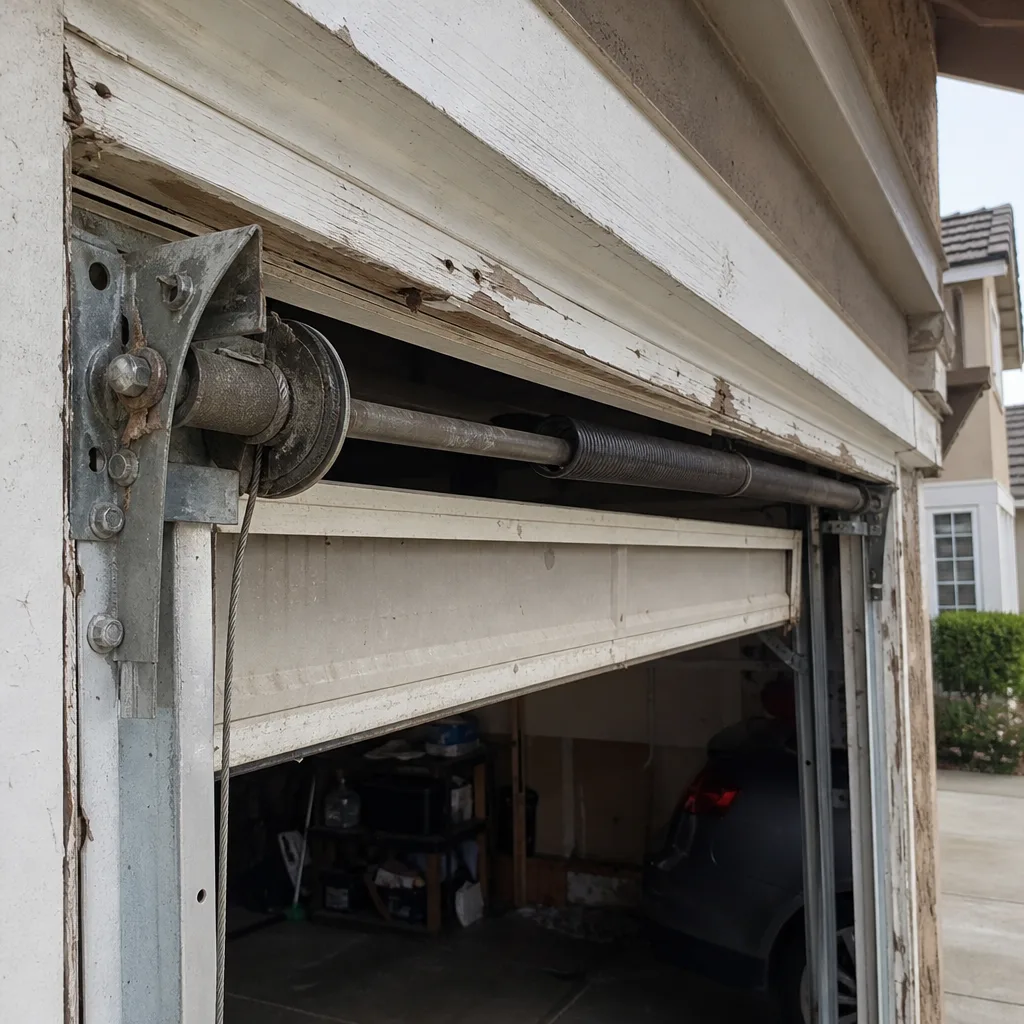 Before
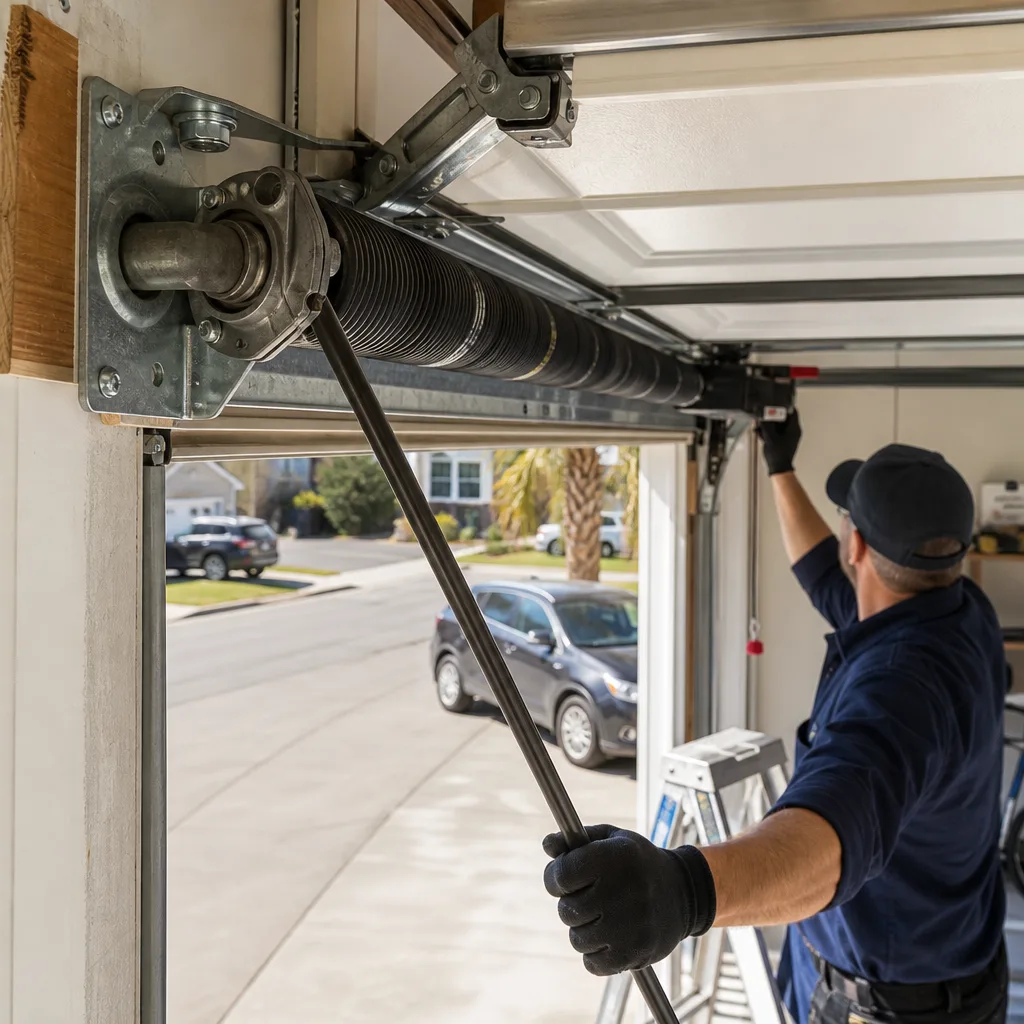 After
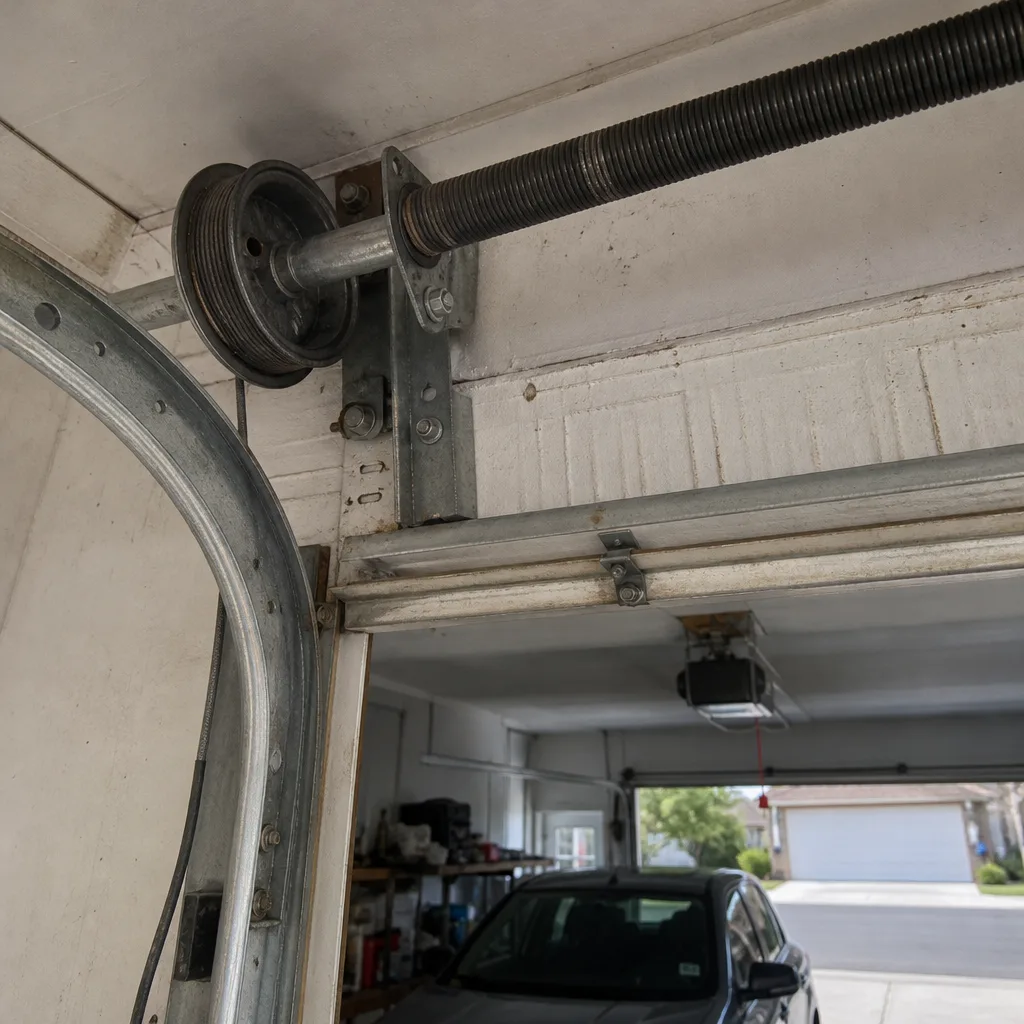 Before
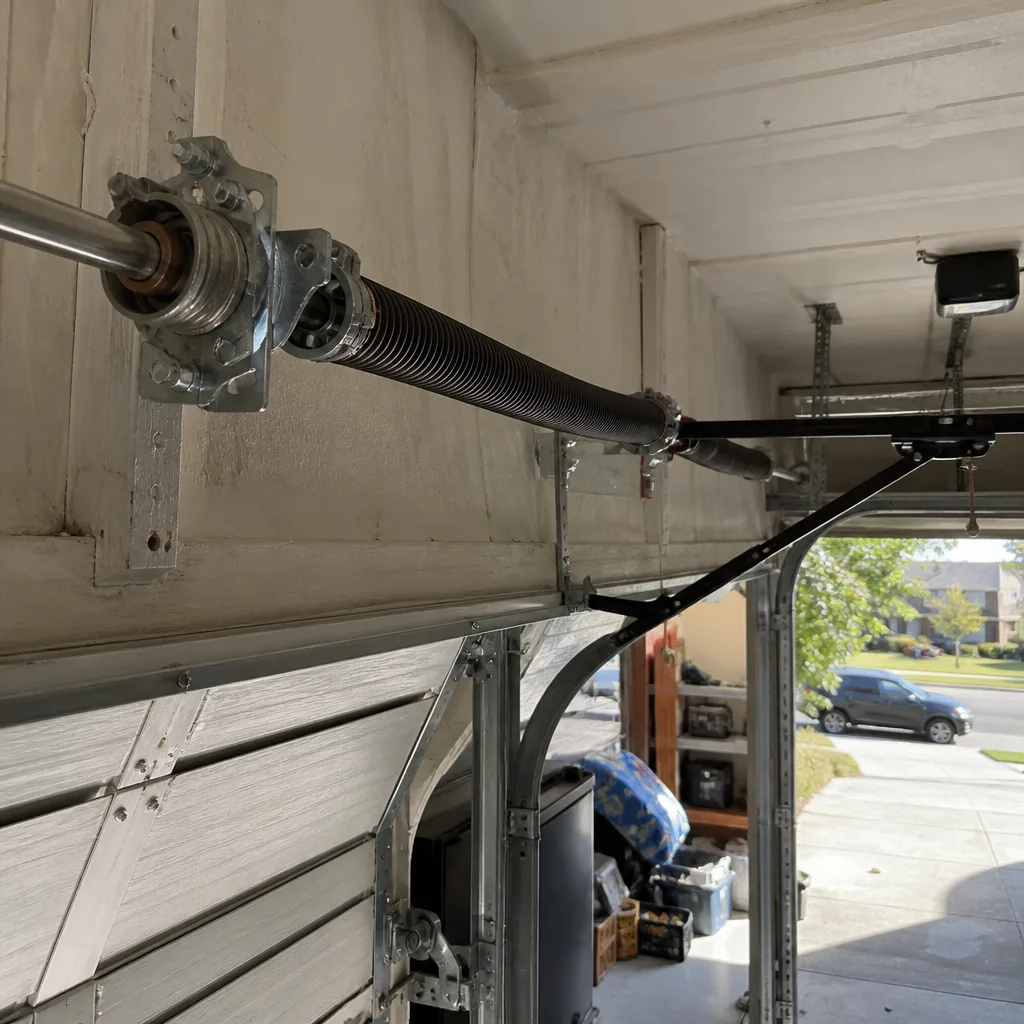 After
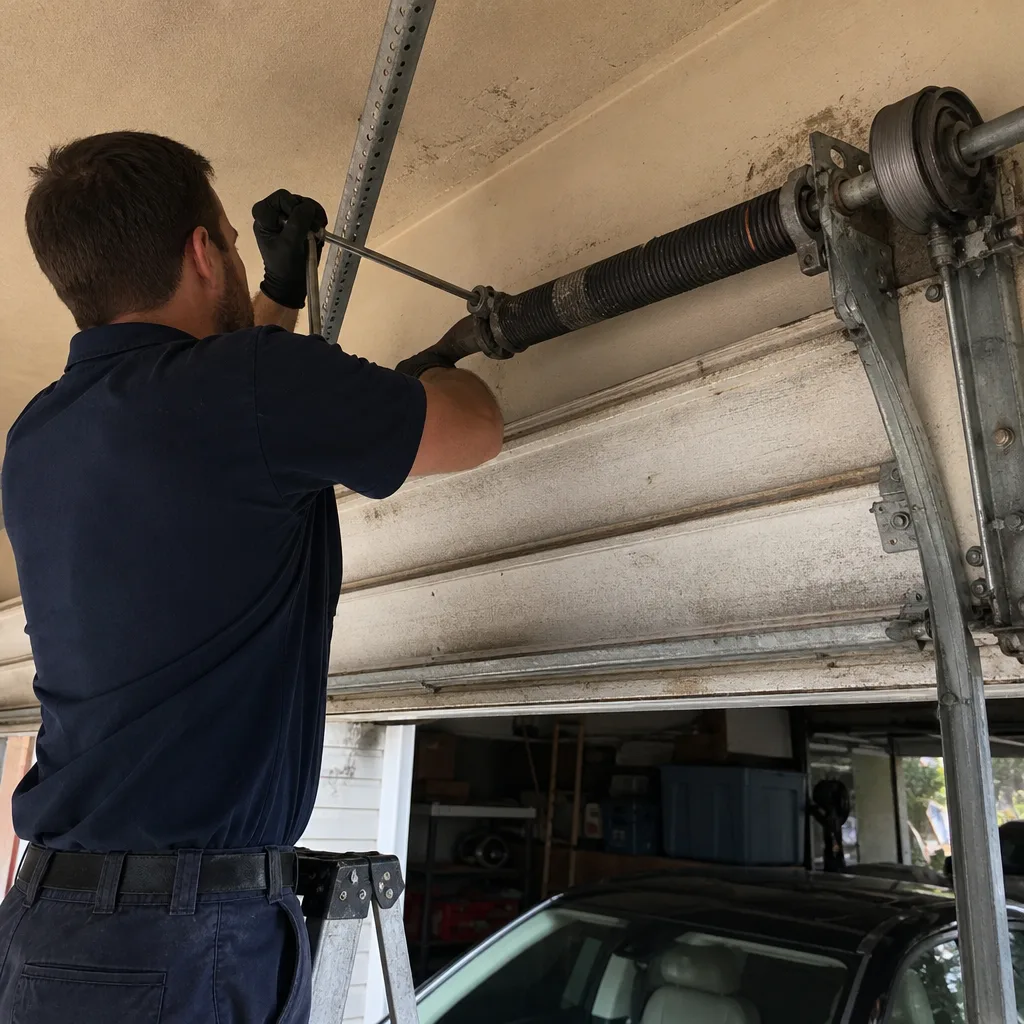 Before
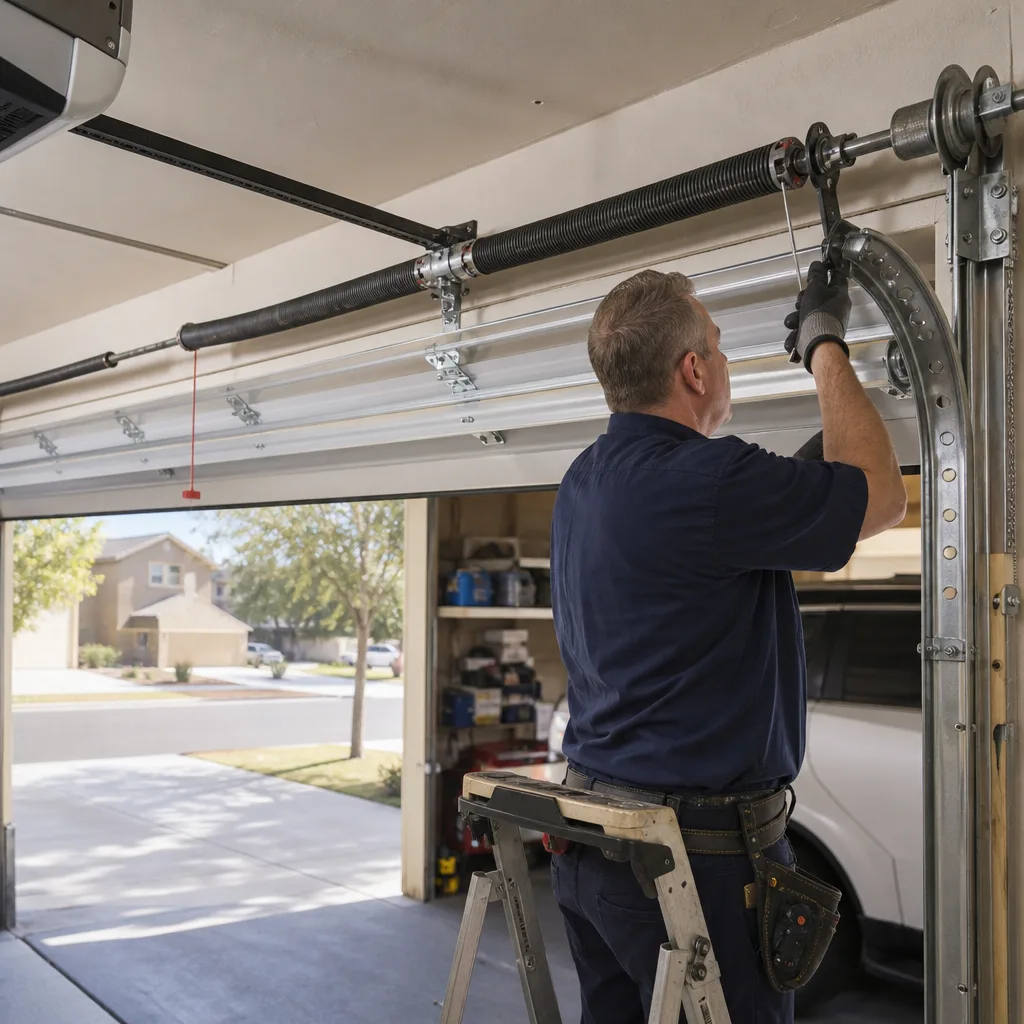 After
When to Call a Professional
Some garage door tasks are genuinely DIY-friendly: lubricating springs and rollers, replacing weatherstripping, tightening loose bolts on the track brackets, and testing the auto-reverse sensors. For everything else, read our DIY vs Professional Garage Door: The Temecula Homeowner’s Decision Guide before deciding—particularly for anything involving springs or cables, which should go to a trained specialist. Torsion springs under tension are dangerous enough that one wrong move on the winding bar can cause a serious, life-changing injury. In our experience, the ambulance ride costs more than the spring repair would have. That’s not a scare tactic; it’s the math.
Call a professional if: your spring is broken, a cable is frayed or snapped, the door came off its tracks, the opener makes grinding sounds and won’t move the door, or you notice the door dropping hard when you release it from the opener. Old Glory Garage Door offers free estimates and straightforward pricing in Temecula. Call (877) 522-1085 before a small problem becomes a big one.
Frequently Asked Questions
Plan on $180 to $340 for a single torsion spring replacement in Temecula, and $280 to $520 if both springs need replacement, which they usually do. Temecula’s heat shortens spring lifespan compared to coastal areas, so expect replacement every five to seven years. Call (877) 522-1085 for an exact quote before any work starts.
Most spring and cable repairs in Temecula can be completed same-day or next-day, because technicians carry common spring sizes and cable hardware on the truck. Opener repair may require a day or two for parts if a specific board or gear isn’t in stock. For a spring failure, call early; we prioritize broken springs since the door may not open at all.
No. The price you’re quoted before work begins is the price you pay. The only exception is if the technician discovers a second issue that you authorize repairing separately; that gets quoted separately and approved by you before any additional work happens. No authorized work, no added cost.
Yes. Our techs stock the most common spring sizes, cable sets, rollers, hinges, and opener gears for the brands we service: LiftMaster, Chamberlain, Genie, Clopay, Amarr, Wayne Dalton, Craftsman, and Raynor. What we don’t have, we can usually source within a business day from local suppliers.
For most Temecula homeowners, a belt-drive LiftMaster or Chamberlain with smart features is the best balance of quiet operation, reliability, and future-proofing. If maximizing ceiling space for car lifts or storage is a priority, a wall-mounted jackshaft opener is a strong choice. The best opener is the one properly installed and sized to your door; the brand matters less than the installation quality.
A quality insulated steel door in Temecula will last 20 to 30 years with proper maintenance, while springs and rollers will need replacement every five to seven years due to heat cycling. Uninsulated builder-grade doors often fail sooner, particularly in west-facing garages exposed to afternoon sun. The opener itself typically lasts 10 to 15 years before replacement makes more sense than repair.
The Bottom Line
A garage door in Temecula is a system, not a single part, and the climate here punishes that system harder than coastal Southern California. Springs fatigue in the heat, uninsulated doors bake western-facing garages, and HOAs add an approval layer that coastal cities don’t always have. The smart move: audit your door twice a year, replace springs in pairs, keep the system lubricated with the right product, and treat early warning signs as actionable rather than ignorable. Whatever brand is on your door, Garage Door Opener Repair in Temecula and full door service are one call away. Straight answers, fair price, done right. Call (877) 522-1085 for a free estimate.
Written by the team at Old Glory Garage Door, serving Temecula since 2014.