
Last updated October 30, 2026
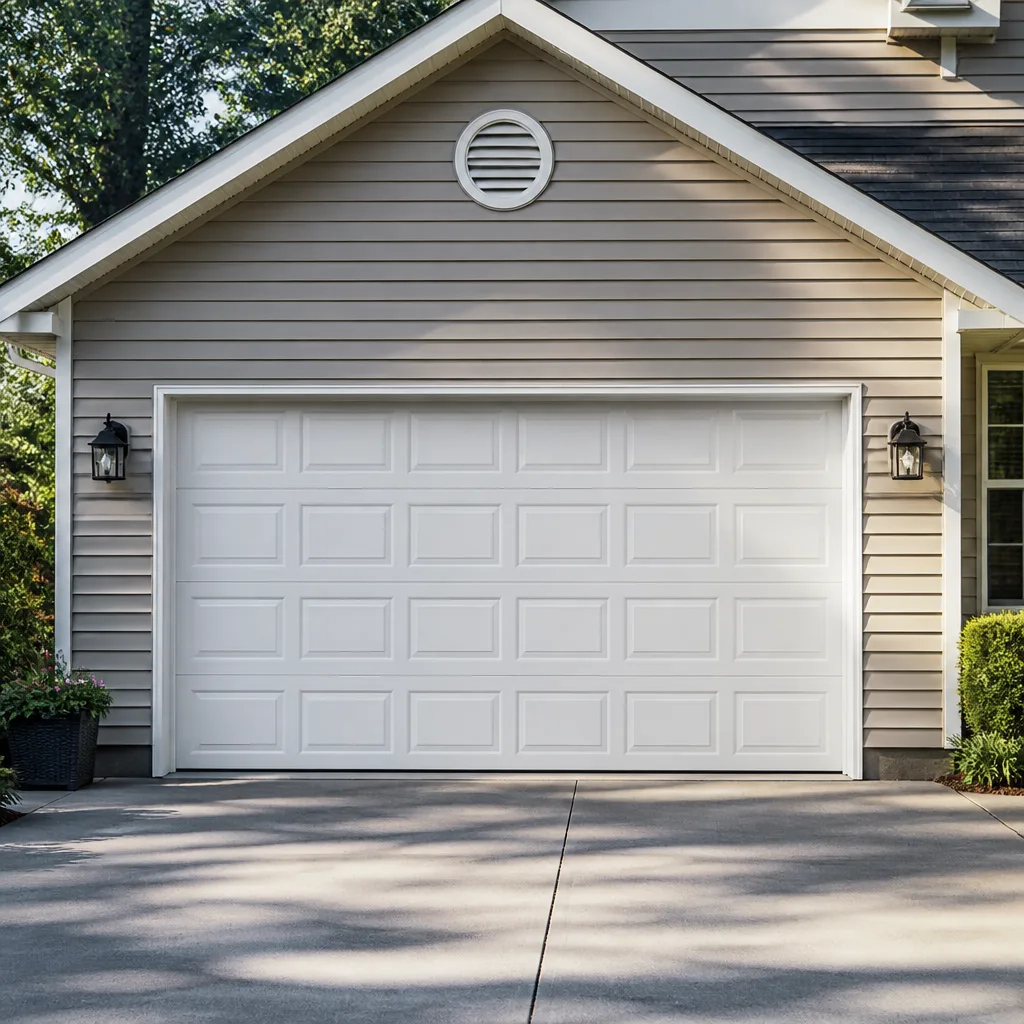 Raised-panel steel
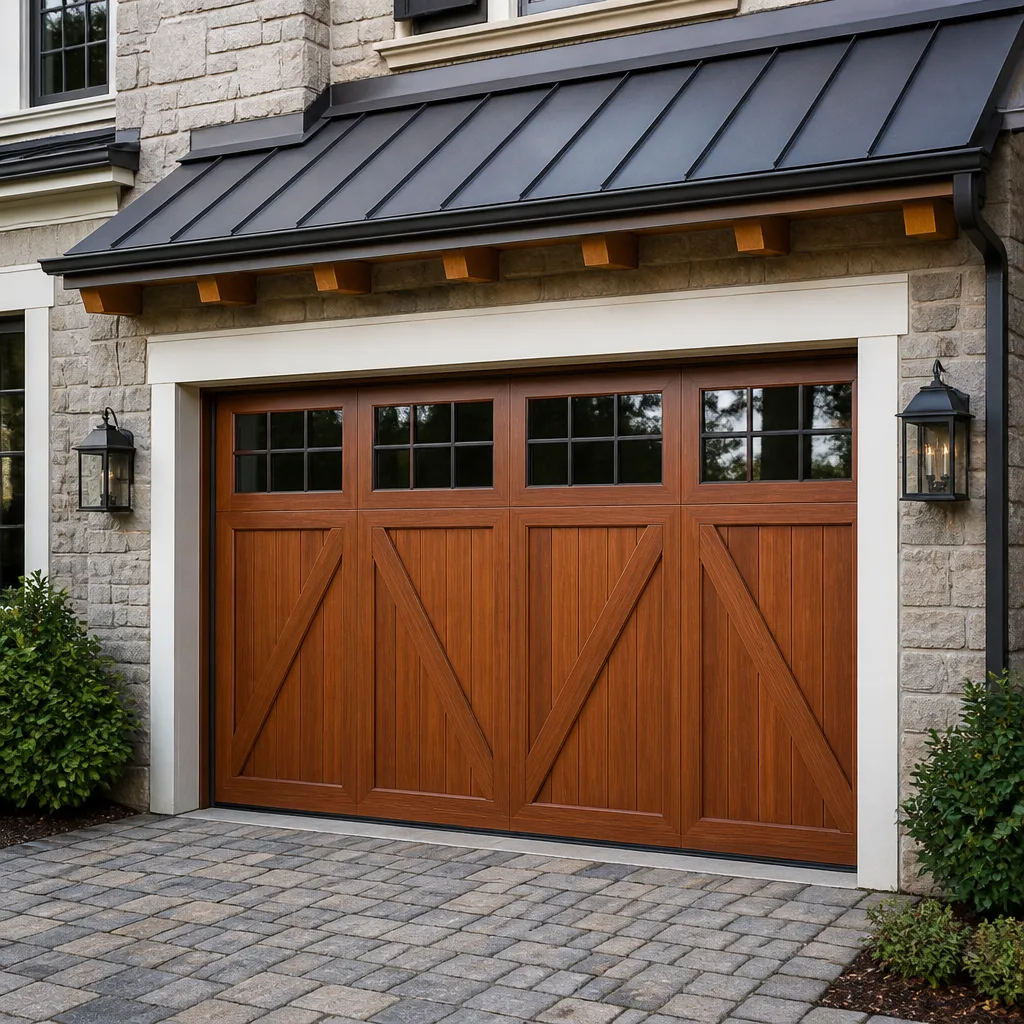 Carriage house
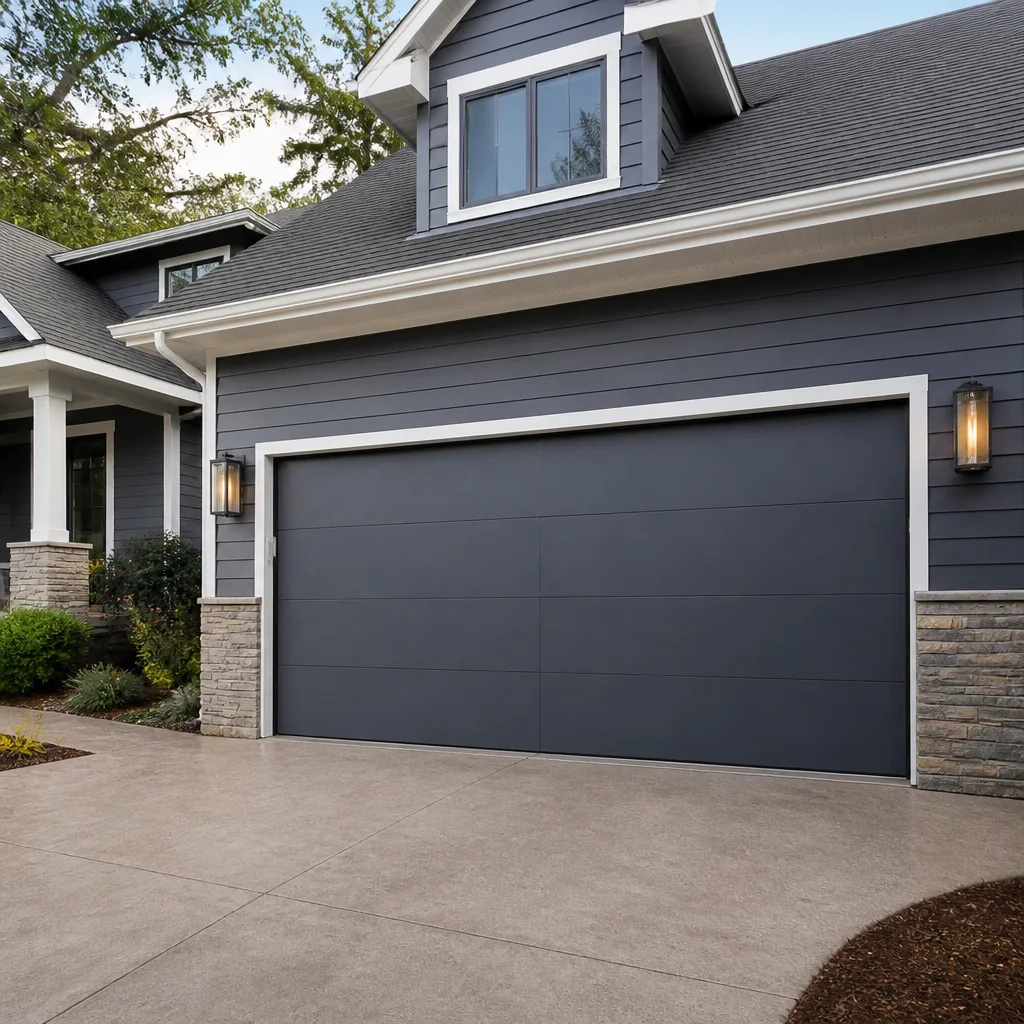 Modern flush
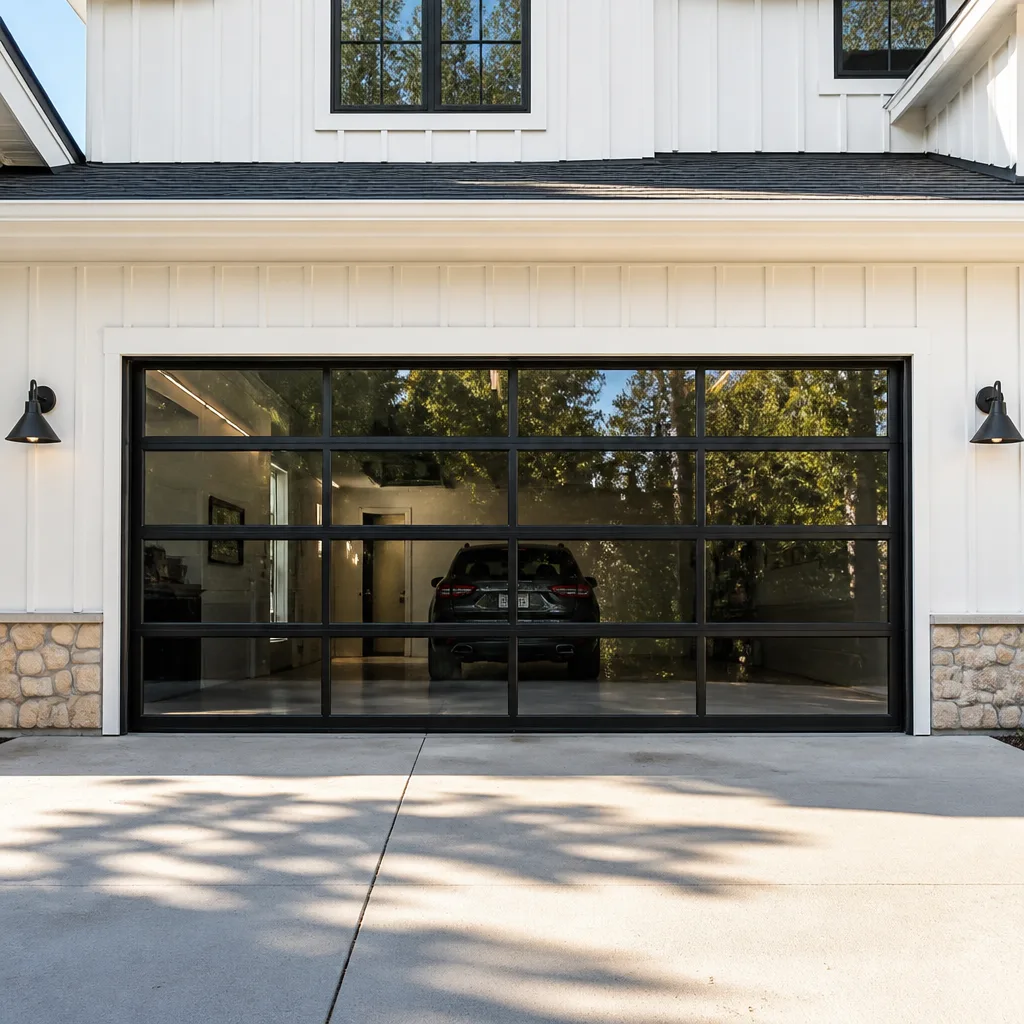 Full-view glass
 LiftMaster openers
 Chamberlain openers
Full 25-point door and opener safety check with every visit - springs, cables, rollers, tracks, and your LiftMaster or Chamberlain opener included
You get a price before we start. It does not change when the truck arrives.
Get your free estimateGarage Door Permits, Codes & Inspections in CA: What You Need to Know
Most homeowners in Temecula assume a garage door replacement is a simple swap: unbolt the old, bolt in the new, done. What they don’t realize is that a full replacement can trigger a California permit requirement not because of the door itself, but because of fire separation wall rules buried in the California Residential Code. We’ve seen this surprise homeowners at the worst possible moment – during escrow, when a buyer’s inspector flags an unpermitted door replacement and the whole sale stalls. This guide draws a clear line between what California and Riverside County actually require, what’s optional, and where contractors sometimes pad bills with permits you never needed.
Styles & brands we work with
Quick Answer
In California, a like-for-like garage door replacement typically does not require a permit in most cities, including Temecula, as long as you’re not altering the rough opening, structural framing, or fire-rated wall assembly. A permit does become necessary when you enlarge or modify the opening, install a door on a newly built garage, or change the fire separation rating between the garage and living space. When in doubt, call the City of Temecula Building & Safety division before work starts – a five-minute phone check saves thousands in correction costs later. For a deeper look at what to inspect, see our Garage Door Repair Maintenance Checklist for Temecula Homeowners.
Table of Contents
- When Does a Garage Door Replacement Require a Permit in CA?
- Temecula and Riverside County Specific Requirements
- Fire Separation Rules: What R302 Actually Says
- Title 24 Energy Code and Insulated Doors
- How to Pull a Garage Door Permit in Temecula
- What the Inspection Process Looks Like
- Unpermitted Doors and Home Sales: What Sellers Need to Know
- Common Mistakes to Avoid
- When to Call a Professional
- Frequently Asked Questions
- The Bottom Line
When Does a Garage Door Replacement Require a Permit in CA?
Here’s the straight answer: California does not have a single statewide rule that says “all garage door replacements need a permit.” The California Residential Code (CRC) and the California Building Code (CBC) set the framework, but enforcement happens at the city and county level. In practice, the trigger for a permit comes down to four factors:
- Structural modification: If you’re changing the rough opening size, adding or removing header support, or modifying wall framing, you need a permit. Period.
- Fire separation impact: If the work alters the fire-rated assembly between the garage and the house – such as replacing a solid-core access door or cutting into the drywall – a permit is required.
- New construction or addition: Any garage door installed as part of new construction or a permitted addition is automatically covered by that project’s permit.
- Electric work: Adding a new circuit for a garage door opener typically requires an electrical permit, though swapping an opener on an existing outlet usually does not.
What most homeowners in Temecula need to know is this: a standard replacement of a sectional roll-up door – same size, same tracks, same opening – falls under “like-for-like” maintenance and generally does not require a permit in Riverside County. The door itself is considered a finish item, not structural. But the minute you touch framing, fire rating, or the wall assembly, the rules change.
What “Like-for-Like” Actually Means
“Like-for-like” isn’t a legal term you’ll find in the code book, but it’s how building departments describe it. It means: same opening dimensions, same door type, same mounting method, no structural changes, no fire assembly modifications. If the new door fits the existing opening without cutting studs, moving headers, or altering the wall, most California jurisdictions – including Temecula – treat it as maintenance.
In our experience serving homeowners across Temecula, we’ve seen this confusion work in both directions. Some contractors tell homeowners they need a permit for a simple door swap, then charge $400 to $600 for “permit handling” that never actually goes to the city. Others skip permits on jobs that genuinely require them – like widening a single-car opening to fit a double door – leaving homeowners with an inspection nightmare when they try to sell.
If you’re planning a replacement door from Garage Door Installation in Temecula, the right approach is to ask the installer one question before you sign anything: “Does this job alter the rough opening or the fire separation wall?” If they hesitate, get a second opinion.
Temecula and Riverside County Specific Requirements
The City of Temecula enforces building codes through its Building & Safety Division, which follows the California Building Standards Code (Title 24) with local amendments. Riverside County has its own building department covering unincorporated areas, but Temecula is an incorporated city and issues its own permits. That distinction matters because a homeowner in Murrieta might face slightly different interpretations than one in Temecula, even though both fall under California state law.
What Temecula Building & Safety Specifically Requires
Based on the city’s published guidance and our experience working with homeowners across Temecula neighborhoods like Redhawk, Harveston, and Paseo del Sol, here’s the practical breakdown:
- Like-for-like replacement: No permit required. This covers most residential garage door replacements in Temecula.
- Door replacement with new opener circuit: Electrical permit required. If your old opener was hardwired and you’re adding a new dedicated outlet, an electrician pulls a separate permit.
- Enlarging the opening: Full building permit required. This is structural work and requires engineered drawings, header calculations, and plan review.
- Replacing a fire-rated door between garage and house: Permit required. The access door from garage to interior is part of the fire separation assembly, not just a door.
- Converting a carport to a garage: Full permit. This is a change of use and structure, not a door project.
The key threshold in Riverside County, including Temecula, is whether the work crosses from “maintenance” into “alteration.” Maintenance keeps the building’s original design intact. Alteration changes it. Once you’re altering, you’re permitting.
Why the Inspection Department Pays Attention to Garage Doors
Garage doors are one of the most frequently inspected items in residential construction, not because the door is complex, but because the garage is a code-sensitive space. The garage houses vehicles, fuel, and often a gas water heater or furnace – which means the wall between garage and living space has strict fire resistance requirements. When a new door goes in, inspectors often use the opportunity to check the entire garage assembly: drywall thickness, taped and mudded seams, weather stripping, and the self-closing mechanism on the access door.
This is the detail most homeowners miss until inspection: a new garage door can trigger scrutiny of the entire garage-to-living-space wall, not just the door opening.
Fire Separation Rules: What R302 Actually Says
California Residential Code Section R302 governs fire-resistant construction, and R302.6 specifically addresses separation between the garage and the dwelling unit. This is the section that catches homeowners off guard when they replace a garage door. Here’s what it requires:
- The wall between garage and living space must be a minimum 1/2-inch gypsum board (drywall) applied to the garage side.
- All seams and joints on that garage-side drywall must be taped and finished – a detail that’s frequently overlooked in older Temecula homes.
- Any door between the garage and the living space must be either solid wood (minimum 1-3/8 inches thick), solid or honeycomb-core steel (minimum 1-3/8 inches), or listed as a 20-minute fire-rated door.
- The door between garage and living space must be self-closing. This is one of the most common inspection failures we hear about from Temecula homeowners.
- Ductwork penetrating the garage wall or ceiling must be minimum 26-gauge steel.
How a New Door Triggers an R302 Inspection
When you pull a permit that touches the garage – even if it’s for a door enlargement or opener electrical work – the inspector is obligated to verify the entire fire separation assembly is intact. That means checking for missing drywall, un-taped seams, holes where pipes or wires pass through, and improper access door materials. In older Temecula neighborhoods like Old Town or parts of Meadowview, we’ve seen garages where the drywall was never installed on the garage side of the wall, or where a hollow-core interior door was used between the garage and kitchen. Learn to spot these risks early with our Garage Door Warning Signs: A Temecula Homeowner’s Reference Guide. That’s a code violation that could have existed for 30 years, and a door permit brings it to light.
If you’re replacing a garage door and want to know whether your fire separation wall will pass, a good installer will point out issues before the inspector does. At Old Glory Garage Door home, our team checks the garage wall assembly during every installation assessment, because failing an inspection is more expensive than fixing drywall before the inspector arrives.
The Practical Implication for Door Choice
The fire separation rules don’t directly regulate the material of the vehicle door itself – a steel, aluminum, or wood roll-up door all satisfy the basic requirements. But they do influence what happens around the door. The framing around the opening, the weather seals, and the transition between the door track and the wall assembly all need to maintain the fire separation. That’s why a properly installed door from any brand – whether it’s a Clopay, Amarr, or Wayne Dalton model – includes trim and seals that preserve the assembly.
Title 24 Energy Code and Insulated Doors
California’s Title 24 energy efficiency standards apply to conditioned space – living areas that are heated or cooled. Most garages in Temecula are unconditioned, meaning they’re not part of the home’s HVAC envelope. In that case, a garage door replacement does not trigger Title 24 energy compliance requirements. However, there’s a nuance that matters in Southern California’s climate:
- Conditioned garages: If your garage is insulated, drywalled, and connected to the home’s HVAC system – increasingly common in Temecula homes where garages have been converted or partially finished – then the garage becomes part of the building envelope. In that case, replacement doors must meet Title 24 insulation requirements for doors, typically a minimum U-factor.
- Insulated doors on unconditioned garages: Not required by code, but in Temecula’s summer heat, an uninsulated steel door can turn a garage into an oven. Interior temperatures regularly exceed 110°F in Temecula garages during July and August. An insulated door – like the polyurethane-core models from Clopay or Amarr – keeps the garage noticeably cooler and protects anything you store there.
- Battery backup openers: California now requires battery backup on most new garage door openers sold in the state (SB 969, effective 2019). If you’re installing a new Genie or other opener, make sure it has battery backup – it’s state law, not just a feature.
The Title 24 angle is a detail competitors rarely mention, but it matters for a specific subset of Temecula homeowners. If your garage is finished and climate-controlled, talk to your installer about code-compliant insulated doors before you buy.
How to Pull a Garage Door Permit in Temecula
If you’ve determined that your project does require a permit – typically because you’re enlarging an opening, altering framing, or doing electrical work – here’s the step-by-step process for the City of Temecula:
- Visit the Temecula Building & Safety Division at City Hall on Mercedes Street, or start online through the city’s e-permit portal. The counter staff can tell you in five minutes whether your job needs a permit.
- Submit a permit application describing the scope of work. For structural changes, you’ll need engineered drawings showing the new header size, framing details, and door specifications.
- Pay the plan review and permit fees. In Temecula, a typical residential garage door permit with structural alteration runs $250 to $600 depending on the scope. Electrical permits for opener circuits are usually $100 to $250.
- Wait for plan review. Simple permits can be issued over the counter. Structural alterations take 1 to 3 weeks depending on workload.
- Complete the work. Have your installer perform the framing, header, and door installation according to the approved plans.
- Schedule an inspection. Call the city’s inspection line at least 24 hours in advance. The inspector will verify framing, fire separation, and final work.
- Receive final approval. Once the inspection passes, the permit is closed and you have a permanent record on file with the city.
One thing we tell every Temecula homeowner: get the permit before work starts. An inspector who arrives to find the work already done will typically require you to open up walls so they can see the framing. That doubles or triples the cost to fix.
What the Inspection Process Looks Like
If you’ve never been through a garage door inspection in Temecula, here’s what actually happens. A city inspector arrives with a checklist tied to your permit. They’re not looking at the door’s aesthetics. They’re checking:
- Framing and header: Is the new opening properly supported? Is the header sized correctly per the plans?
- Fire separation wall: Is the drywall on the garage side intact, properly taped, and free of holes?
- Access door: Is it solid-core or 20-minute rated, and does it self-close?
- Opener electrical: Is the outlet GFCI-protected where required? Is the circuit properly grounded?
- Door operation: Does the door open and close smoothly? Are the safety sensors aligned and functioning?
Inspections in Temecula typically take 15 to 30 minutes. Most pass on the first visit if the homeowner and installer addressed the fire separation details beforehand. The failures we hear about most often are un-taped drywall seams, missing self-closing hinges on the access door, and safety sensors that were mounted too high. All are fixable in a day, but they mean a re-inspection and another visit.
For homeowners who’ve scheduled a Garage Door Repair in Temecula and learned they need a permit first, the repair work itself can usually proceed while the permit is pending as long as the repair isn’t structural. But confirm this with the city before you start.
Unpermitted Doors and Home Sales: What Sellers Need to Know
This is where unpermitted work creates real financial consequences for Temecula homeowners. California law requires sellers to disclose all known material facts about the property, including unpermitted work. That disclosure obligation doesn’t disappear just because the buyer didn’t ask. Here’s what unpermitted garage door work means when you sell:
- Disclosure requirements: The Real Estate Transfer Disclosure Statement (TDS) asks about known permits and code compliance. Lying on the TDS is fraud and can void the sale or expose you to liability after closing.
- Buyer inspection flags: Home inspectors in Southern California routinely check for signs of recent garage door work – new tracks, fresh drywall patches, mismatched framing. If the work looks recent but no permit is on file with Temecula Building & Safety, the inspector will flag it.
- Lender requirements: FHA and VA loans require certain property conditions and may demand that unpermitted work be retroactively permitted before funding. That puts the sale on hold and forces you to pull a permit under time pressure.
- Insurance implications: If an unpermitted installation fails and causes damage – for example, an improperly framed header collapses – your homeowner’s insurance may deny coverage because the work was never inspected.
The Temecula Reality Check
In a hot market like Temecula’s, buyers have more leverage than sellers sometimes expect. A flagged unpermitted door becomes a negotiation point: the buyer demands a price reduction, a retrofit permit, or both. The retrofit permitting process for completed work involves exposing the work for inspection – which often means cutting into drywall to show the header and framing. That’s a $1,500 to $3,000 fix for a permit that originally cost $300.
If you own a Temecula home with an unpermitted door replacement and you’re planning to sell, the cheapest path is usually to pull the retrofit permit before listing. Once the permit is closed, the issue disappears from the negotiation entirely.
Common Mistakes to Avoid
- Skipping a permit on an opening enlargement. Widening a single-car door to a double is structural work in Temecula. Without a permit, the project becomes a sale-killing liability.
- Paying for a permit you don’t need. A like-for-like door swap doesn’t require a permit in Temecula. If a contractor charges you $400 for “permit processing” on a standard replacement, ask to see the permit application.
- Ignoring the fire separation wall. Your new door can be perfectly installed while the garage-side drywall remains non-compliant. The inspector checks both. Fix the wall before the door goes in.
- Using the wrong access door. A hollow-core interior door between the garage and house fails R302.6. Replace it with a solid-core or 20-minute rated door before inspection.
- Not checking for a self-closing hinge on the access door. This is the single most common inspection failure in Temecula. A $30 self-closing hinge saves a $150 re-inspection fee.
- Forgetting Title 24 on a conditioned garage. If your garage is heated or cooled, the replacement door must meet insulation standards. Painting an uninsulated door won’t satisfy the code.
- Installing a new opener without battery backup. California law requires battery backup on new opener installations. Genie, LiftMaster, and Chamberlain now build it into most models, but verify before you buy.
When to Call a Professional
Some garage door work in Temecula is genuinely DIY-friendly: replacing weather stripping, tightening hinge bolts, aligning a safety sensor. But when the project involves structural framing, fire separation walls, or opener electrical work, the risk of a failed inspection or an unsafe installation outweighs any savings. If you’re enlarging an opening, modifying the header, installing a new circuit, or dealing with a conditioned garage, bring in someone who does this every day.
Old Glory Garage Door offers free estimates in Temecula – call (877) 522-1085 and we’ll tell you straight whether your project needs a permit, whether it needs a pro, and exactly what it should cost. No permit-padding, no upsell pressure. We work on whatever brand is already on your door – Genie, Clopay, Amarr, Wayne Dalton, and the rest – because the brand doesn’t matter as much as the installation.
Frequently Asked Questions
In most cases, no. A like-for-like replacement – same size, same opening, no structural changes – does not require a permit in Temecula. A permit is required only when you alter the rough opening, change the fire separation wall, or add new electrical work for an opener. Call (877) 522-1085 if you’re unsure and we’ll help you confirm with the city.
For simple residential work in Temecula, a garage door permit with structural alteration typically costs between $250 and $600. Electrical permits for opener circuits run $100 to $250. If your project is a like-for-like replacement, there is no permit fee because no permit is required.
California law requires you to disclose unpermitted work on the seller disclosure forms. A buyer’s inspector may flag the door and demand a retrofit permit, which requires exposing the work for city inspection – often costing $1,500 to $3,000 in Temecula. The permanent fix is pulling the permit before you list.
The vehicle door itself does not need to be fire-rated. The fire rating requirements apply to the wall between the garage and living space, and to the access door between them. That wall must have 1/2-inch drywall on the garage side with taped seams, and the access door must be solid-core or 20-minute rated.
If you’re replacing an opener on an existing outlet, no permit is required. If you’re adding a new circuit or outlet for the opener, an electrical permit is required in Temecula. Also, California law (SB 969) requires battery backup on most new opener installations – verify yours has it.
It depends on the scope. A structural permit for a door opening may include electrical work if it’s part of the same project. But if you’re only adding an opener circuit, that’s a separate electrical permit. A Garage Door Opener Repair in Temecula on an existing circuit typically requires no permit at all.
The Bottom Line
California’s garage door permit requirements come down to one question: are you maintaining the building or altering it? A like-for-like replacement in Temecula is maintenance – no permit, no inspection, no record. Enlarging an opening, modifying framing, touching the fire separation wall, or adding electrical work is alteration – and that requires a permit. The consequences of guessing wrong range from a $150 re-inspection fee to a stalled home sale or an insurance claim denial. When in doubt, call the City of Temecula Building & Safety Division first, or call us at (877) 522-1085 and we’ll give you a straight answer from experience. For more guides & resources on keeping your garage door safe and compliant, visit our blog.
Written by the team at Old Glory Garage Door, serving Temecula since 2014.
See the difference
 Before
 After
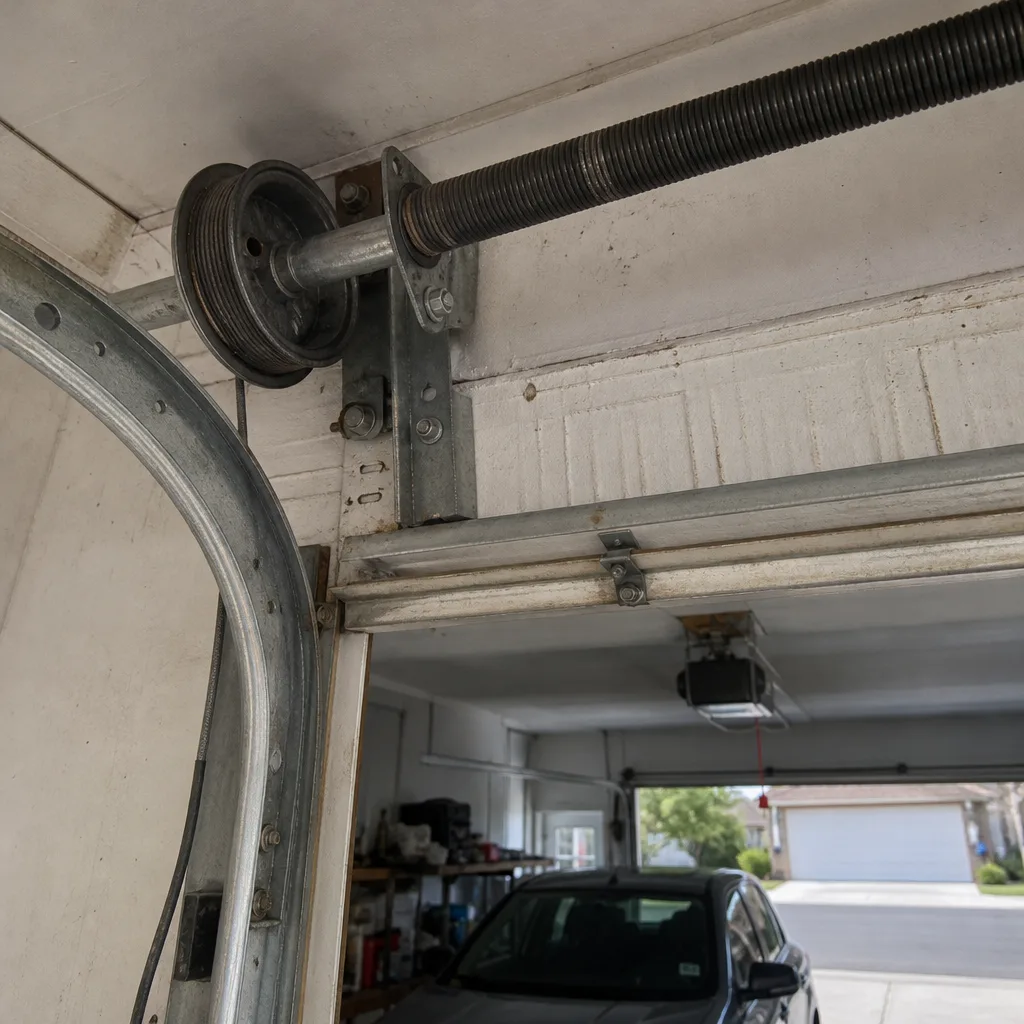 Before
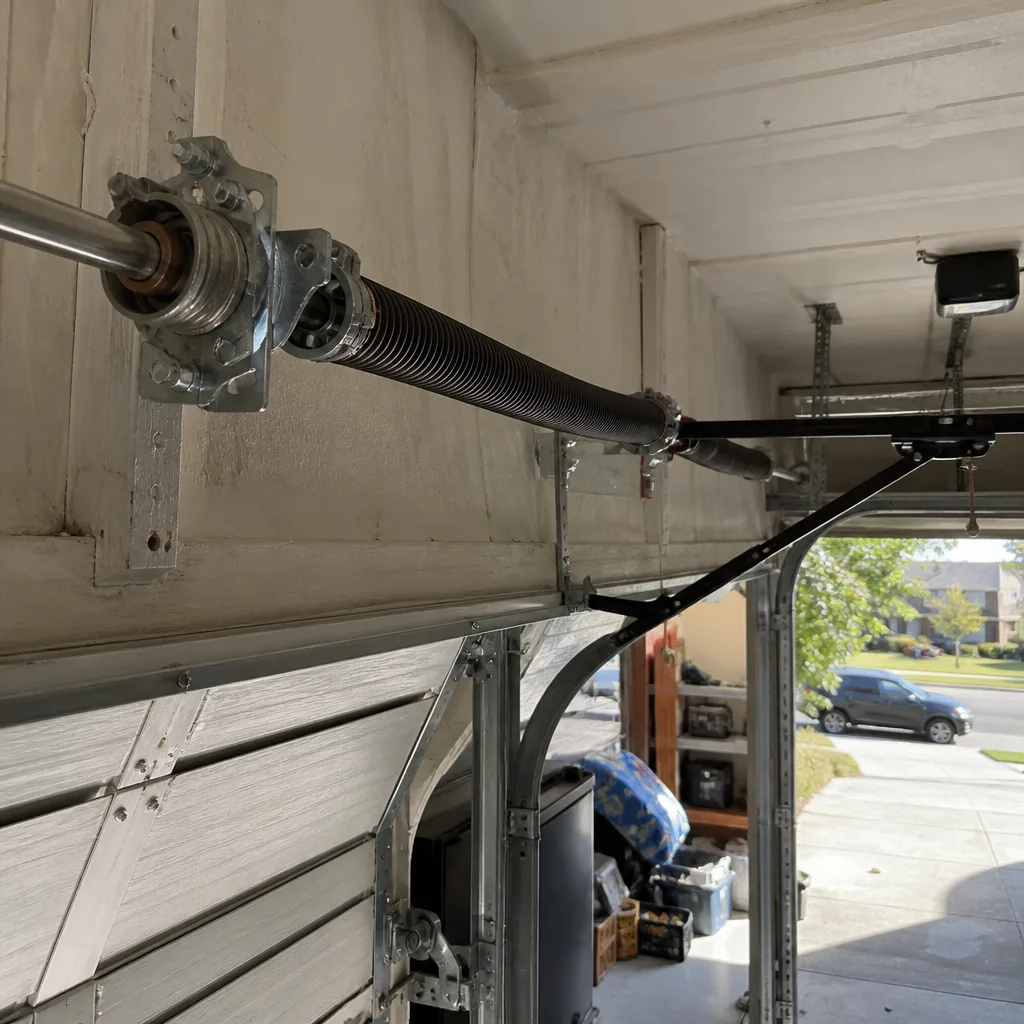 After
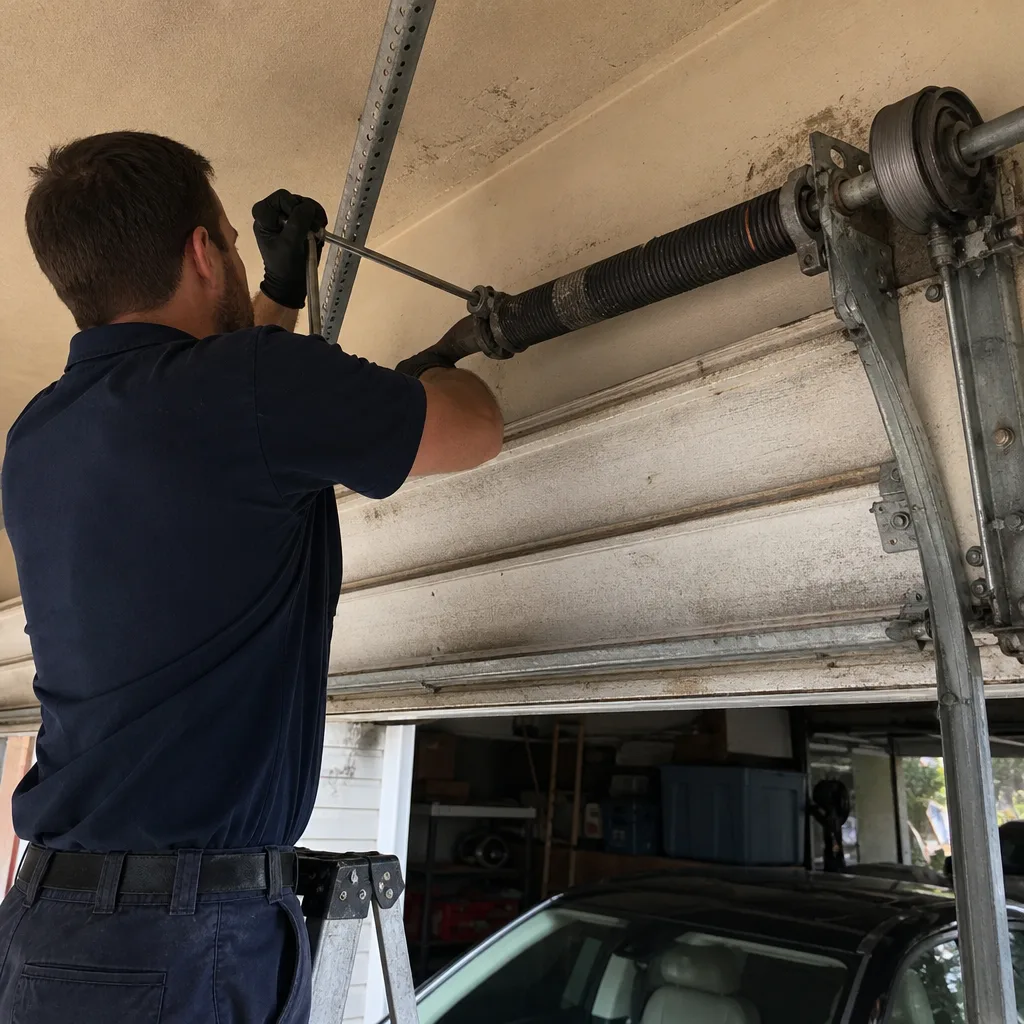 Before
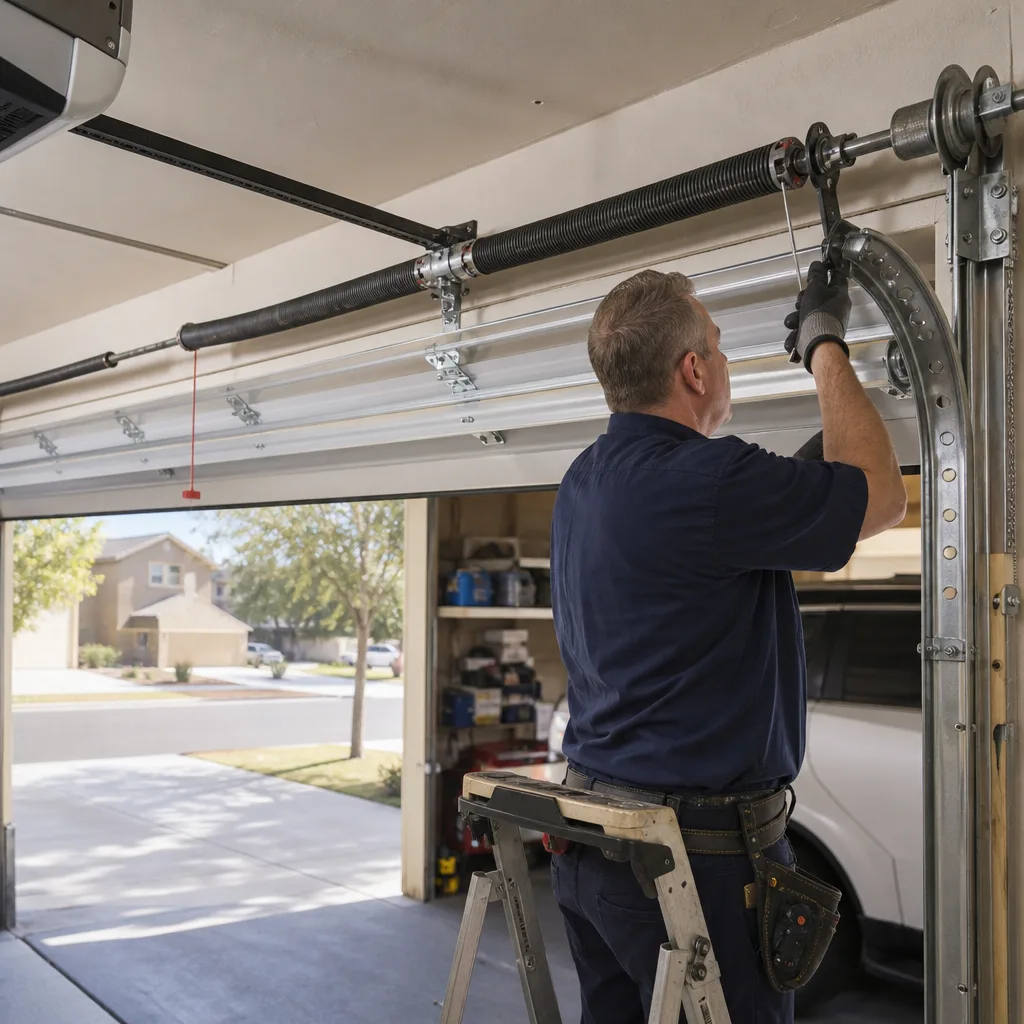 After